
How To
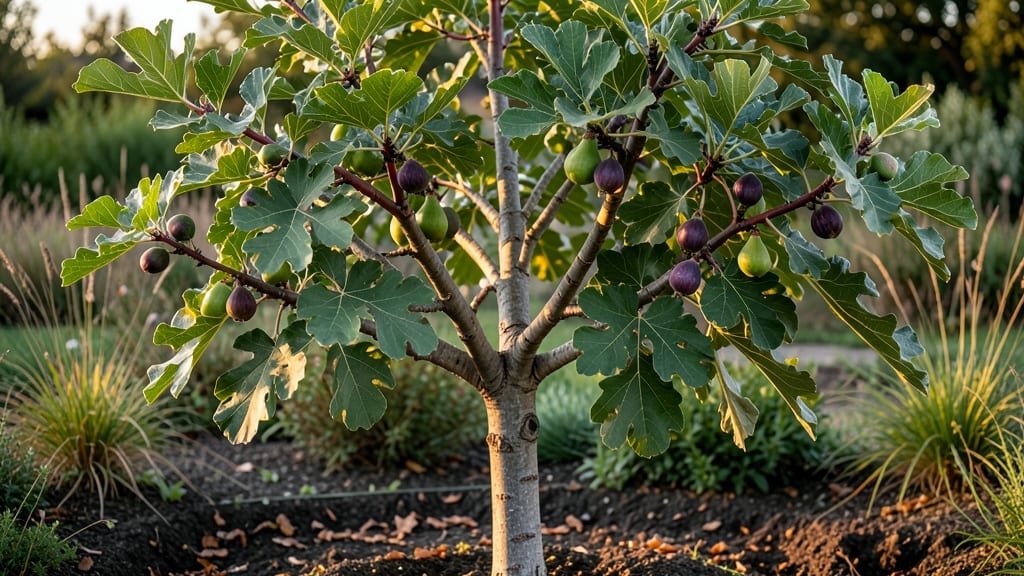
A fig tree can grow anywhere from 8 feet to towering 30 feet tall, depending on the variety and growing conditions you provide.
If you're dreaming of a towering fig tree that shades your patio or borders your garden, you're in the right place—fig trees aren’t just ornamental; they’re architectural statements with heights ranging from dwarf shrubs to towering giants.
Some varieties, like the Little Miss Figgy, stay compact at 8-12 feet, making them perfect for small yards or containers. Meanwhile, standard types like Brown Turkey or Celeste can reach 20-30 feet, turning your backyard into a lush, fruiting canopy.
Below, I’ll break down how to choose the right size for your space, what factors influence growth, and simple pruning tricks to keep your fig tree at your ideal height—whether you want a tall shade provider or a manageable patio plant.


Fig tree height by variety: dwarf to giant species explained
Fig trees are one of nature's most versatile plants, offering everything from compact shrubs to towering giants that can dominate your landscape. The height of your fig tree depends entirely on the variety you choose.
Some stay small enough for containers, while others grow tall enough to shade entire backyards. Knowing these differences helps you plan your garden layout and select the perfect fig for your space.
Whether you're a city gardener with limited space or a rural homesteader dreaming of a shade-providing giant, there's a fig tree variety that fits your needs. From the dwarf 'Little Miss Figgy' to the majestic 'Brown Turkey', each type has distinct growth habits and care requirements.
Let's explore the height ranges and ideal growing conditions for the most popular fig tree varieties.
🌳 Height comparison is key—some varieties can reach 30 feet in ideal conditions, while others stay under 10 feet even with aggressive pruning. The table below breaks down the most common fig tree varieties and their mature heights, so you can visualize which will work best in your garden.
If you're working with limited space, the 'Little Miss Figgy' is a fantastic choice—it stays compact and produces abundant fruit without overwhelming your garden. This variety is perfect for containers, small patios, or urban gardens where height is a concern.
Its dwarf stature makes it ideal for balcony gardening or even indoor growing with sufficient light.
For those who want a statement piece, the 'Brown Turkey' fig tree is legendary. This classic variety can reach 30 feet tall in ideal conditions, making it perfect for shading large areas or creating a natural focal point in your landscape.
It thrives in warm climates and produces sweet, flavorful figs that are a garden favorite.
The 'Celeste' fig tree strikes a balance, typically reaching 10-15 feet at maturity. It's an excellent choice for medium-sized gardens or as a privacy screen. This variety is also drought-tolerant once established, making it low-maintenance for busy garden
Factors that influence fig tree height growth
Fig trees are incredibly versatile, but their final height depends on a mix of natural genetics and how you care for them. The variety you choose is the biggest factor—some stay compact while others reach towering heights.
But even within the same type, your pruning habits and growing conditions can push a tree toward the sky or keep it manageable.
For example, a Brown Turkey fig might naturally grow 20–30 feet tall, but with regular pruning, you can cap it at 10 feet. Meanwhile, a Little Miss Figgy stays dwarf-sized (8–12 feet) without much intervention. Understanding these influences helps you shape your tree’s growth to fit your space and goals.
- 🌳 Variety: Dwarf types (e.g., 'Little Miss Figgy') max out at 8–12 ft, while standard varieties (e.g., 'Brown Turkey') can hit 20–30 ft.
- ☀️ Sunlight: Full sun (6+ hours/day) fuels rapid vertical growth, while partial shade keeps trees shorter.
- 🪴 Pruning: Heavy pruning in late winter controls height; minimal pruning lets trees grow unchecked.
- 🌡️ Climate: Warmer zones (USDA 8–11) encourage faster, taller growth than cooler regions.
- 🪣 Root Space: Container-grown figs stay 3–5 ft shorter than in-ground trees due to restricted roots.
Your soil quality plays a hidden role too. Fig trees thrive in well-draining, slightly alkaline soil (pH 6.0–7.5). Poor soil slows growth, while rich, organic soil can accelerate height gains.
Amend clay or sandy soil with compost to improve drainage and nutrient uptake—this directly impacts how quickly your tree reaches maturity.
Another often-overlooked factor is watering consistency. Deep, infrequent watering (every 7–10 days) encourages strong root systems that support taller growth, while shallow, frequent watering can lead to leggy, weaker stems. Mulching around the base also helps retain moisture and regulate soil temperature for steady upward growth.
If you’re growing figs in containers, expect their height to be limited by pot size. A 15-gallon container might keep a fig tree under 10 feet, while a 50-gallon container allows for closer to 15 feet.
For in-ground planting, give your tree plenty of space—15–20 feet of clearance is ideal for standard varieties to avoid future pruning headaches.
Finally, remember that seasonal care matters. Prune in late winter to shape height, fertilize lightly in spring to boost growth, and avoid heavy feeding in fall to prepare for dormancy.
These small adjustments add up over years, letting you steer your fig tree’s height toward your vision—whether that’s a shade-providing giant or a compact patio centerpiece.