
How To
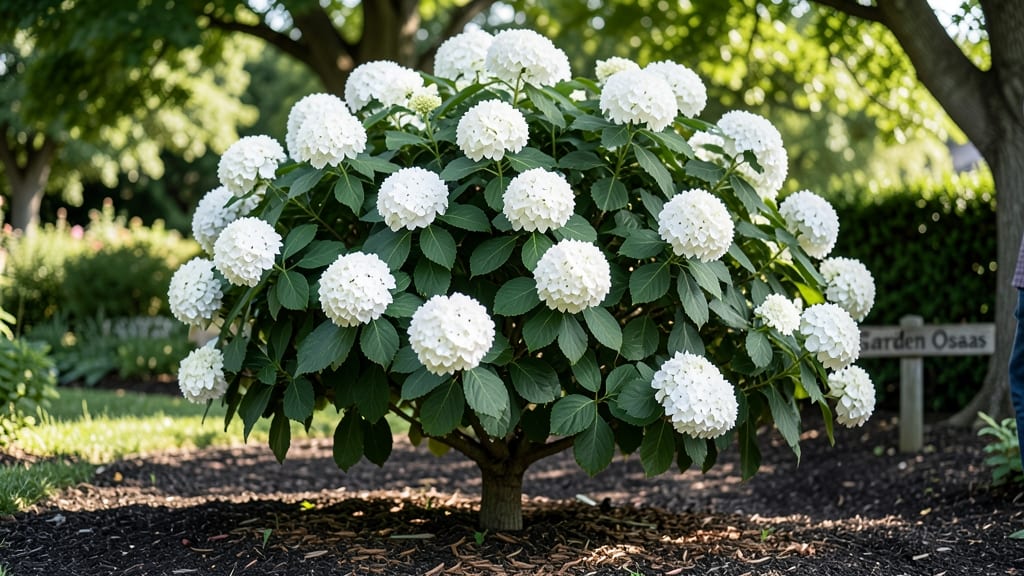
A hydrangea tree grows anywhere from 6 to 20 feet tall, depending on the variety you choose—some stay small enough for a patio, while others become towering landscape stars 🌸.
If you’re dreaming of a lush, shade-providing hydrangea tree but aren’t sure how much space to allocate, the right choice makes all the difference. Some varieties max out at 6 feet, perfect for small yards, while others stretch toward 20 feet, rivaling small oaks in height.
What you’ll discover here is how to pick the perfect size for your space, plus the pruning secrets that keep your hydrangea tree thriving without taking over your garden. Whether you’re working with limited room or a sprawling landscape, we’ve got the variety-specific details to help you plan.
Ready to transform your outdoor space? Let’s break down the heights, growth habits, and care tips so you can choose—and grow—a hydrangea tree that fits your vision.


Hydrangea tree height by variety: from compact to towering giants
When planning your garden, knowing how tall a hydrangea tree grows helps you choose the perfect variety for your space. While most hydrangeas are technically large shrubs, some varieties grow tree-like with strong woody stems and expansive canopies.
The mature height of hydrangea trees can vary dramatically—from dwarf varieties perfect for small yards to towering giants that rival small oaks.
Your planting location depends entirely on the variety. A 6-foot hydrangea tree fits cozily near patios, while a 20-foot specimen needs room to spread its roots and branches. Understanding these differences ensures you select a plant that thrives in your landscape without outgrowing its welcome.
If you’re wondering, "how tall is a hydrangea tree at maturity?" the answer depends on the variety. For example, the Oakleaf hydrangea typically reaches 10-15 feet, making it ideal for providing shade in spacious backyards.
Meanwhile, the Smooth hydrangea ('Annabelle') stays compact at 3-5 feet, perfect for small gardens or container growing.
The Panicle hydrangea varieties offer the most diversity in height. While 'Little Lime' remains a 4-6 foot hydrangea tree, its cousin 'Grandiflora' can soar to 15-20 feet, creating a dramatic focal point.
Always check the specific cultivar’s growth habits before planting—some may lean toward shrub-like growth rather than a true tree form.
For small-space gardening, prioritize dwarf varieties like 'Little Lime' or 'Annabelle'. These stay under 6 feet, fitting neatly into flower beds or near walkways. In contrast, larger varieties like 'Grandiflora' need at least 15 feet of clearance above and below their branches to thrive without crowding other plants.
When planning your landscape, consider not just the height of hydrangea trees but also their spread. A 10-foot-tall hydrangea with a 12-foot spread will dominate a small yard, while a 6-foot-tall variety with a 4-foot spread works better in tight spaces. Always measure your available area before selecting a variety.
Pro tip: If you love the look of a towering hydrangea but lack space, opt for pruning-resistant varieties like 'Limelight' (Panicle). These grow upright naturally, reducing the need for aggressive
How fast do hydrangea trees grow? Growth rates and pruning tips
Hydrangea trees are stunning additions to any landscape, but their growth speed varies dramatically by variety. On average, most hydrangea trees grow 12 to 24 inches per year, though some fast-growing types like Hydrangea paniculata can reach 3 feet annually under ideal conditions.
Understanding these growth rates helps you plan for pruning and space management from the start.
Seasonal growth also plays a key role—most hydrangeas experience their fastest growth in spring and early summer, with minimal new growth after late summer. This seasonal pattern is crucial for timing pruning to avoid cutting off next year’s blooms.
For example, Oakleaf hydrangeas grow steadily but may need 3 to 5 years to reach their mature height of 10 to 15 feet.
To encourage fuller, bushier growth, I recommend pruning in late winter or early spring before new shoots emerge. This is especially important for Hydrangea paniculata, which blooms on new wood.
Use clean, sharp pruners to make cuts just above a node or bud, and remove any dead or crossing branches to improve airflow and reduce disease risk.
If your hydrangea tree is growing too tall too quickly, don’t panic—pruning can help control its height. For varieties like Limelight hydrangea, which can reach 12 to 15 feet, I suggest annual pruning to maintain a more manageable size.
Focus on removing the uppermost growth to slow vertical expansion while encouraging lateral branches for a fuller shape.
Remember, hydrangeas respond well to regular care, including mulching around the base in early spring to protect roots and retain moisture.
With the right pruning and growing conditions, you can enjoy a beautifully proportioned hydrangea tree that fits perfectly in your landscape—whether it’s a compact 3-foot dwarf or a towering 15-foot giant. 🌿