
How To
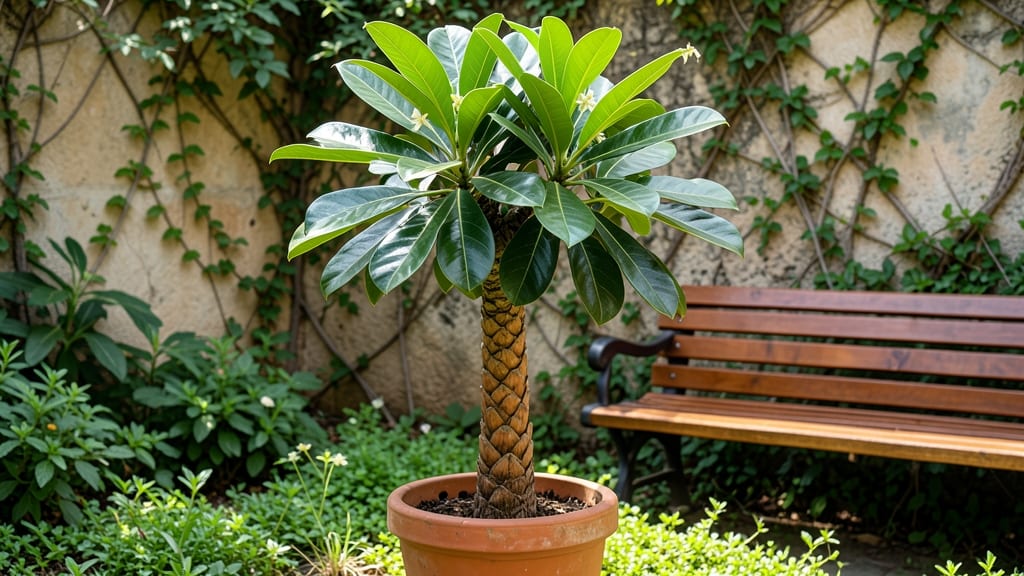
A money tree 🌿 can grow 6 to 10 feet tall indoors with the right care, though most varieties stay between 4 and 6 feet in average homes.
If you’ve ever admired the lush, braided stems of a money tree (Pachira aquatica) and wondered how tall it could grow indoors, you’re not alone—this tropical plant’s height potential often surprises new owners.
Indoor growth depends on light, pruning, and pot size. Too little light stunts it, while aggressive pruning keeps it compact. The key is balancing its natural tropical tendencies with your space—whether you want a countertop statement piece or a ceiling-grazing giant.
Below, I’ll break down height expectations by variety, how to encourage (or limit) growth, and the best placement to maximize your money tree’s potential without overpowering your home.


Money tree height limits by variety: indoor growth expectations
The money tree (Pachira aquatica) is a tropical favorite known for its striking braided trunks and glossy leaves. But how tall can it grow indoors? The answer depends entirely on the variety you choose and the care you provide.
Some varieties stay compact, perfect for small spaces, while others can reach impressive heights with proper conditions. Understanding these height expectations helps you plan for the right pot size and placement from day one.
Indoor money trees typically grow between 3 to 10 feet at maturity, but this range varies widely. For example, a standard money tree left unpruned can easily top 6 feet in just a few years, while dwarf varieties rarely exceed 3 feet.
The key to controlling height lies in pruning techniques, container size, and light exposure—all of which we’ll explore in detail. Let’s break down the most popular varieties and their growth potential.
| Variety | Mature Height (Indoors) | Growth Rate (Per Year) | Space Needs | Pruning Tip |
|---|---|---|---|---|
| Standard Money Tree (Pachira aquatica) | 6–10 ft | 1–3 ft | Large pot (18"+ diameter) | Prune top growth to encourage bushiness |
| Braided Money Tree | 5–8 ft | 1–2 ft | Medium pot (14"+ diameter) | Support braids with soft ties |
| Dwarf Money Tree | 2–4 ft | 6–12 inches | Small pot (10"+ diameter) | Minimal pruning; trim only to shape |
| Chinese Money Tree (Pachira glabra) | 4–6 ft | 8–16 inches | Medium pot (12"+ diameter) | Pinch back tips for fuller growth |
| Mini Money Tree (Grafted) | 1–3 ft | 4–8 inches | Small pot (8"+ diameter) | No pruning needed; slow-growing |
The standard money tree is the most common variety and can easily reach 10 feet indoors if given enough space and light. However, this growth rate slows significantly after the first 3 years.
If you’re working with limited ceiling height, opt for the dwarf variety, which stays under 4 feet and grows at a slower pace. These smaller varieties are ideal for apartments or offices where vertical space is limited.
For those who love the braided money tree, expect a mature height of 5–8 feet. The braiding process itself doesn’t restrict growth—it’s purely aesthetic. The challenge lies in maintaining the braids as the plant grows taller.
Use soft plant ties or velcro strips to keep the stems aligned without damaging them. Without proper support, the braids can unravel as the tree matures.
If you’re aiming for a compact yet lush money tree, the Chinese Money Tree (Pachira glabra) is an excellent choice. It typically matures between 4–6 feet and has a slightly slower growth rate, making it easier to manage in smaller spaces.
This variety also produces smaller leaves compared to the standard money tree, giving it a finer, more delicate appearance.
One common misconception is that money trees grow taller faster in direct sunlight. In reality, they thrive in bright indirect light—too much direct sun can scorch the leaves and stunt growth.
Place your money tree near a north or east-facing window for optimal light exposure. If your home lacks natural light, consider supplementing with a grow light to maintain healthy growth rates.
Pot size plays a crucial role in height control. A root-bound money tree will focus its energy on growing taller rather than wider. To encourage
Factors that control money tree height: pruning, light, and care
Your money tree’s height isn’t just luck—it’s a mix of light exposure, pruning habits, and container size. Unlike outdoor trees, indoor money trees (Pachira aquatica) grow slower due to limited space and controlled conditions.
But with the right care, you can guide its growth to match your space—whether you want a compact 3-foot dwarf or a towering 8-foot statement plant.
Light is the #1 factor controlling height. Money trees thrive in bright indirect light, which encourages steady upward growth. Place yours near a north or east-facing window for optimal results.
Too little light? Expect slow, leggy growth—sometimes just 1-2 feet in a year. Too much direct sun? Leaves may scorch, stunting growth entirely.
Here’s the secret: Pruning isn’t just for shaping—it’s how you control height. Cutting back the top stems encourages bushier growth and prevents your money tree from becoming a top-heavy giant.
For a dwarf variety, prune aggressively in spring to keep it under 4 feet. Skip pruning, and you’ll end up with a 10-foot indoor tree—if your ceiling allows!
Container size matters more than most gardeners realize. Money trees are root-bound sensitive—if their roots circle the pot, growth slows dramatically. Start with a 10-inch pot for dwarf varieties and upgrade to 14-16 inches for standard sizes.
Pro tip: Check for roots circling the pot’s edge—if you see them, it’s time to repot immediately to keep your tree growing upward.
Fertilizer plays a sneaky role too. Over-fertilizing pushes leafy growth over height, while balanced feeding (like 10-10-10 NPK) promotes steady stem elongation. Feed every 4-6 weeks in spring/summer, but cut back in fall/winter when growth slows.
Too much fertilizer? Your money tree might grow wide instead of tall—a common mistake!
Want a taller money tree? Combine these tricks: place it in the brightest indirect light you have, prune lightly to encourage vertical growth, and repot every 2 years. For a shorter tree, prune aggressively in spring and keep it in a smaller pot.
The key is consistency—your money tree will thank you with the perfect height for your space! 🌿