
How To
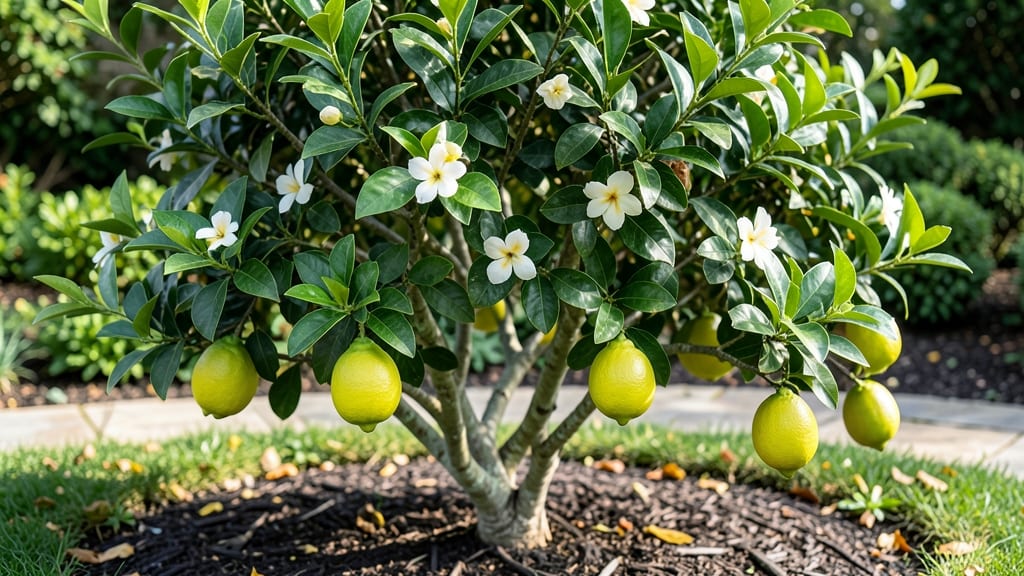
A Meyer lemon tree grows how tall does a meyer lemon tree grow between 6 and 12 feet at maturity, depending on whether you choose a dwarf or standard variety—making it a versatile pick for both spacious yards and cozy containers.
If you're dreaming of fresh Meyer lemons but limited by space, understanding the height potential of this citrus tree could be the key to unlocking your perfect harvest—whether you have a sprawling backyard or just a sunny balcony.
Standard trees reach 10 to 15 feet in ideal conditions, while dwarf varieties stay compact at 6 to 8 feet, perfect for containers or small gardens. The right choice depends on your space, sunlight, and long-term care goals.
Below, I’ll break down how to control growth, maximize fruit production, and pick the perfect size for your setup—so you get the best of both worlds: delicious lemons and a tree that fits your life.


Meyer lemon tree height guide: standard vs dwarf varieties explained
Choosing the right Meyer lemon tree size can make all the difference between a dream harvest and a frustrating fit. Standard varieties reach 10-15 feet tall, towering like small trees in your backyard, while dwarf varieties stay compact at just 6-8 feet.
The difference isn't just in height—it affects your space, care routine, and even fruit production.
If you're working with limited space, like a patio or balcony, a dwarf Meyer lemon tree could be your perfect solution. These varieties grow slowly and produce fruit earlier, often within 2-3 years of planting.
Meanwhile, standard trees take longer to mature but reward you with larger canopies and potentially bigger yields—if you have the room.
Your climate also plays a role. In USDA Zone 9b or warmer, both types thrive year-round. But in cooler zones, dwarf varieties are easier to protect from frost or move indoors during winter months.
Let's break down the key differences so you can pick the perfect size for your garden.
| Variety | Mature Height | Growth Rate | Space Needs | Best For |
|---|---|---|---|---|
| Standard Meyer Lemon | 10-15 ft | Moderate (1-2 ft/year) | Large backyard, garden | Full sun, outdoor planting |
| Dwarf Meyer Lemon | 6-8 ft | Slow (6-12 in/year) | Patio, balcony, container | Indoor/outdoor flexibility |
| Semi-Dwarf Meyer Lemon | 8-10 ft | Moderate (1 ft/year) | Medium garden space | Transition between dwarf/standard |
Standard Meyer lemon trees grow 1-2 feet per year under ideal conditions, reaching their full height within 5-7 years. Their wide canopies create shade and require ample space, making them ideal for backyard orchards or large gardens.
These trees also produce more fruit over time, but their size means they need regular pruning to manage growth and improve airflow.
Dwarf varieties, on the other hand, grow at a slower pace, typically adding just 6-12 inches annually. This makes them perfect for container gardening or small spaces. You can even grow them indoors near a south-facing window or under grow lights.
Their compact size also means they fruit earlier—often within 2-3 years—and require less aggressive pruning.
One key factor to consider is root restriction. Dwarf trees are often grafted onto dwarfing rootstock, which naturally limits their growth. However, if you plant them in the ground, they may grow slightly taller over time.
For container-grown dwarf trees, choose pots that are at least 15-20 gallons to accommodate root growth without crowding.
Your sunlight exposure also impacts height. Both varieties need 6-8+ hours of full sun daily, but dwarf trees in partial shade may grow slightly slower.
If you're growing indoors, supplement with grow lights to maintain healthy growth rates. Without enough light, both types will become leggy and produce fewer lemons.
Pruning plays a crucial role in managing height. For standard trees, structural pruning in late winter helps shape the tree and encourage fruit production. Dwarf trees benefit from light pruning to maintain their compact form and improve air circulation.
Always use sterilized pruners to prevent disease spread, and remove any dead or crossing branches.
If you're unsure which size to choose, consider your long-term goals. Standard trees offer the classic citrus experience with abundant fruit, while dwarf varieties provide convenience and accessibility.
For urban gardeners or those with limited space, a dwarf Meyer lemon tree in a large pot might be the best compromise—allowing you to enjoy fresh lemons without sacrificing space.
🍋 Whether you go tall or stay small, your Meyer lemon tree will reward you with sweet, juicy fruit—just make sure to give it the right conditions to thrive!
How to choose the right Meyer lemon tree size for your space
Choosing the right Meyer lemon tree size depends entirely on your available space and gardening goals. If you're working with a small balcony or indoor grow area, a dwarf variety (6-8 ft tall) is your best bet—these stay compact while still producing sweet, juicy lemons.
For larger yards, a standard tree (10-15 ft) offers more fruit but requires careful pruning to manage its height over time.
Your tree's final height isn't set in stone—pruning techniques and container size play huge roles. A potted Meyer lemon tree, for example, will naturally stay shorter than one planted in the ground, especially if you limit root space.
I’ve even seen bush-trained varieties kept under 5 ft with regular trimming, making them perfect for urban gardeners.
🌱 Meyer Lemon Tree Height at a Glance
| Type | Mature Height | Best For |
|---|---|---|
| Dwarf | 6-8 ft | Containers, patios, small yards |
| Semi-Dwarf | 8-10 ft | Medium yards, large pots |
| Standard | 10-15 ft | Large gardens, in-ground planting |
💡 Pro Tip: Dwarf trees thrive in 15-gallon containers or larger, while standard trees need 6+ feet of clearance for full growth.
For indoor growing, prioritize a south-facing window or grow lights to mimic full sun. A 5-gallon pot works for young trees, but upgrade to 15+ gallons as the tree matures—root-bound trees struggle to produce fruit.
I’ve kept my indoor Meyer lemon tree under 4 ft tall for years by pruning aggressively in late winter and using a self-watering planter to maintain moisture.
Outdoor gardeners have more flexibility but must account for climate zones. In USDA Zone 9b+, standard trees can grow unchecked, while colder regions (like Zone 8) may need container-grown trees that can be moved indoors during winter.
Always choose a well-draining soil mix with organic matter—this supports root health and prevents stunted growth from poor nutrition.
If space is tight but you crave fresh lemons, consider espalier training. This technique flattens the tree against a wall or fence, keeping it under 6 ft tall while maximizing fruit production.
I’ve seen espaliered Meyer lemons produce 50+ lemons per year in a 4x4 ft footprint—ideal for urban gardens or small patios.
Remember, pruning isn’t just about size control—it’s also about air circulation and fruit production. Trim back overcrowded branches in late winter to encourage new growth, and remove dead or diseased wood immediately.
With the right approach, even a standard-sized tree can be kept manageable while still yielding hundreds of lemons annually.