
How To
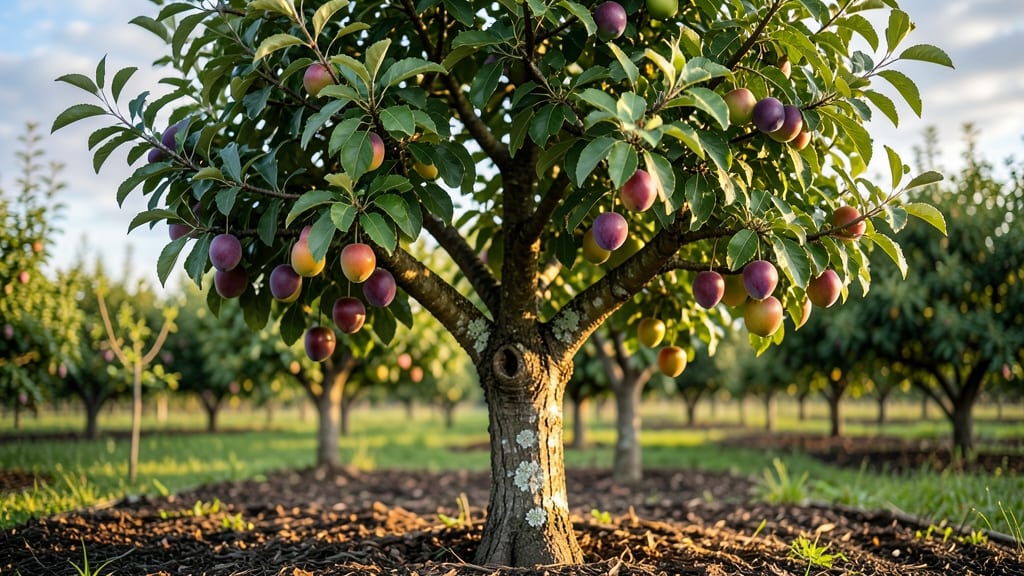
How tall a plum tree grows can vary dramatically, from 6 feet in dwarf varieties to over 30 feet for full-size trees, making them a versatile choice for any garden or orchard.
Wondering whether your backyard can accommodate one? The height of a plum tree can vary wildly—from a compact 6-foot dwarf to towering giants over 30 feet tall—depending on the variety and growing conditions.
If you're planning your outdoor space, knowing these differences is key. Dwarf varieties like 'Santa Rosa' stay manageable, while standard types like 'Stanley' reach towering heights that may require careful spacing and pruning.
Below, I’ll break down the height ranges by variety, how climate zones affect growth, and practical tips to control size—so you can pick the perfect plum tree for your yard and enjoy homegrown fruit for years.


Plum tree height by variety: dwarf to giant size comparison
Choosing a plum tree often comes down to one critical question: how tall does a plum tree grow? The answer depends entirely on the variety you select, with some staying under 10 feet while others reach towering heights of 30 feet or more.
Whether you have a small urban yard or a spacious rural property, selecting the right size is essential for both aesthetics and practicality.
Plum trees are typically categorized into four height groups: dwarf, semi-dwarf, standard, and giant. Each category offers distinct advantages—dwarf varieties are perfect for containers or tight spaces, while standard and giant types provide abundant fruit for large orchards.
Let’s explore the most popular varieties in each category and their mature heights.
| Variety | Height Range | Growth Habit | Best For |
|---|---|---|---|
| Dwarf Varieties | 6–12 ft | Compact, rounded canopy | Containers, small yards, urban gardens |
| 'Santa Rosa' | 8–10 ft | Upright, dense branching | Home orchards, patios |
| 'Methley' | 6–8 ft | Bushy, low-maintenance | Small spaces, containers |
| Semi-Dwarf Varieties | 12–18 ft | Balanced height, moderate spread | Backyards, medium-sized gardens |
| 'Stanley' | 15–18 ft | Vigorous, upright growth | Orchard settings, larger yards |
| 'Black Beauty' | 12–15 ft | Moderate spread, heavy fruit load | Home orchards, commercial plots |
| Standard Varieties | 20–30 ft | Tall, wide-spreading canopy | Rural properties, orchards |
| 'Larry Kelley' | 25–30 ft | Fast-growing, large branches | Commercial orchards, large estates |
| 'Montclar' | 20–25 ft | Upright, dense fruit production | Traditional orchards |
| Giant Varieties | 30+ ft | Massive, wide-spreading | Large farms, historical orchards |
If you’re working with limited space, dwarf varieties like 'Santa Rosa' or 'Methley' are ideal. These trees stay between 6 and 12 feet tall and thrive in containers or small backyards. Their compact size also makes them easier to maintain and harvest.
For example, 'Santa Rosa' reaches 8–10 feet at maturity, making it perfect for patios or urban gardens where space is at a premium.
For a balance between size and productivity, semi-dwarf varieties like 'Stanley' or 'Black Beauty'
How climate zones affect plum tree growth and maximum height
Your USDA hardiness zone plays a crucial role in determining how tall your plum tree will grow. Plum trees thrive in zones 3 through 9, but their maximum height and growth rate vary dramatically based on temperature extremes.
In colder zones (3-5), plum trees often stay shorter due to slower growth, while warmer zones (7-9) support faster, taller growth—sometimes reaching 30 feet or more.
For northern climates, cold-hardy varieties like 'Stanley' or 'Methley' grow between 12-18 feet at maturity, while southern climates can accommodate heat-tolerant types like 'Santa Rosa' that may exceed 20 feet.
Understanding these differences helps you choose the right variety for your space and climate, ensuring both fruit production and structural stability.
| USDA Zone | Recommended Variety | Mature Height | Growth Rate | Pruning Tip |
|---|---|---|---|---|
| 3-5 (Cold) | Stanley, Methley | 12-18 ft | Slow (1-2 ft/year) | Prune in late winter to reduce frost damage risk |
| 6-7 (Temperate) | Santa Rosa, Burbank | 18-25 ft | Moderate (2-3 ft/year) | Thin branches annually for airflow |
| 8-9 (Warm) | Elephant Heart, Golden Japan | 20-30 ft | Fast (3-4 ft/year) | Prune in early spring to control height |
In cold zones (3-5), plum trees grow slower due to shorter growing seasons. Varieties like 'Stanley' are bred for cold hardiness and rarely exceed 18 feet. To encourage growth, plant on a south-facing slope and use mulch to insulate roots during winter.
In contrast, zone 9 climates allow varieties like 'Elephant Heart' to grow aggressively, often reaching 30 feet without intervention.
Pruning strategies differ by zone. In northern climates, prune in late winter to remove damaged wood and shape the tree before buds swell. For southern climates, prune in early spring to control height and improve fruit production.
Always use sterilized tools to prevent disease spread, and avoid heavy pruning in late summer, which can stimulate new growth vulnerable to frost.
If you live in a transition zone (6-7), consider dwarf rootstock for varieties like 'Santa Rosa' to keep heights manageable (12-15 feet). These rootstocks restrict growth while maintaining fruit quality. Pair this with annual pruning in late winter to maintain shape and encourage strong fruit-bearing branches.
Regardless of your zone, soil quality and watering consistency are key to controlling height. Well-draining, nutrient-rich soil promotes balanced growth, while deep watering (1-2 inches per week) prevents stress-related height spikes. In drought-prone zones (8-9), drip irrigation helps maintain moisture without overwatering, which can lead to weak, leggy growth.
Choose your plum tree variety and pruning approach based on your USDA zone to ensure a healthy, productive tree that fits your space. With the right care, even tall varieties can be managed to complement your landscape beautifully. 🌳