
Pruning
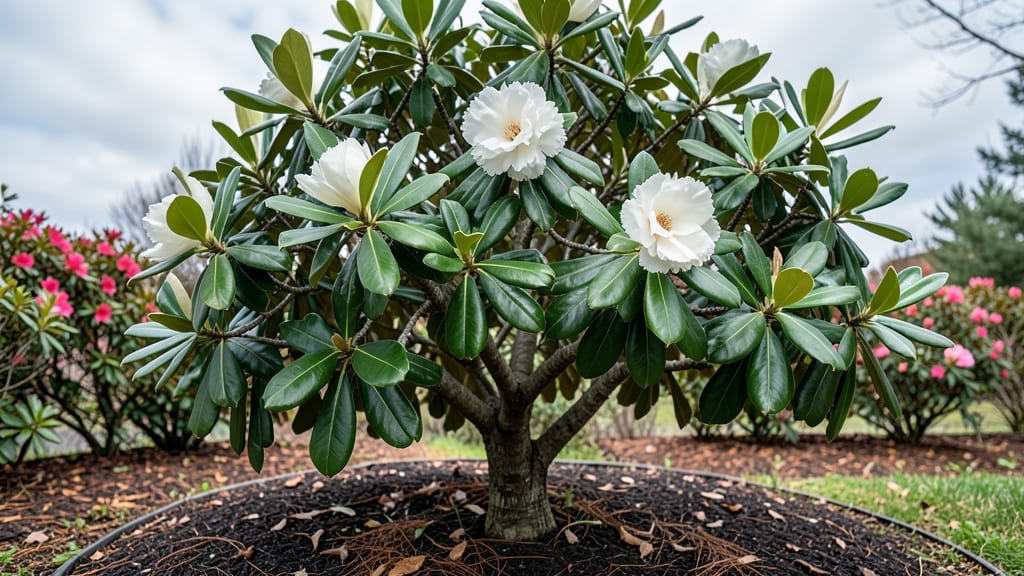
Fall is when your Jane magnolia tree transforms from summer shade provider to a showstopper—if you prune it right. 🌿 The key? Timing your cuts after the first frost but before the ground freezes, when the tree’s energy shifts underground.
I’ve pruned mine for years, and the difference in next spring’s blooms is dramatic—thicker clusters, healthier branches, and fewer bare spots where pests love to hide.
Start by removing dead or crossing branches first—they’re easy to spot after the leaves turn that signature deep burgundy of ‘Jane’ magnolias. Then focus on shaping: aim for an open center that lets sunlight reach the trunk.
Use clean, sharp pruners (dull tools tear bark, inviting diseases) and make cuts just above outward-facing buds. This isn’t about drastic changes—think of it as giving your tree a haircut, not a makeover.
What you’ll end up with is a tree that blooms like crazy next spring, with fewer leaf-eating pests and stronger structure. The fall foliage stays vibrant longer, too, because you’re not stressing the tree with heavy cuts.
Plus, pruning now means you skip the messy, buggy spring cleanup. It’s the one task that sets up your magnolia for its best year yet.
Works for young trees or mature giants—just adjust the scale. In colder zones, wait until mid-November to avoid late-season warmth that can trick the tree into new growth.
And if your tree drops leaves early? That’s normal—‘Jane’ magnolias are late-holders, so don’t panic if yours looks sparse in October.
📚 In This Guide
- What you need
- Instructions
- Tips and common mistakes
- Wrapping up and next steps
What you need
- ● Pruning shears: Bypass pruners (sharp, 6–8" blades) for small branches.
- ● Loppers: 1–2 pairs (8–12" blades) for thicker branches (½–1.5" diameter).
- ● Pruning saw: 1 (for branches >1.5" diameter). Look for a curved blade for clean cuts.
- ● Gloves: Heavy-duty, cut-resistant (e.g., leather or synthetic mesh).
- ○ Disinfectant: 70% isopropyl alcohol or a pruning sealant (optional but recommended).
- ● Ladder or step stool: Sturdy, non-slip (if tree is >6 ft tall).
- ● Heavy-duty trash bags: 2–3 (for debris and clippings).
- ● First-aid kit: Bandages, antiseptic wipes (just in case!).
- ○ Marking twine or flags: (Optional) To tag branches for removal.
- ● Choose a dry, mild day (avoid frost or rain).
- ● Wear long sleeves/pants to protect against thorns.
- ● Check local regulations—some areas restrict pruning without permits for large trees.
Instructions for pruning your Jane magnolia tree in fall
Fall is the perfect time to shape your Jane Magnolia for stunning spring blooms—here’s how to do it right.
✂️ Step 1: Time Your Pruning for Optimal Growth
Prune your Jane Magnolia in late fall, ideally 4-6 weeks before your first hard frost. This timing allows the tree to heal wounds before winter dormancy while avoiding late-season growth that could be damaged by cold. I like to schedule this after the first few light frosts—when leaves have mostly fallen but the ground hasn’t frozen solid.
Check the weather forecast for a 3-5 day stretch of dry, mild weather. Pruning in damp conditions stresses the tree, and wet tools spread disease. If rain is forecasted, wait—you’ll know it’s the right moment when the air feels crisp but not freezing, and the ground stays dry for a few days.
🌿 Step 2: Assess the Tree’s Structure and Health
Start by examining the tree’s branching pattern and overall shape. Jane Magnolias naturally grow with a rounded, vase-like form, so avoid cutting back into a narrow, upright shape. Look for dead, diseased, or crossing branches—these are your first targets. Dead branches are brittle and snap easily when bent; diseased branches may have dark spots or oozing sap.
Next, identify water sprouts—those fast-growing, vertical shoots that steal energy from the main structure. These are easy to spot: they’re thinner, upright, and often appear at the tree’s base or along branches. Mark these for removal with a white pencil or tape before you start cutting. You’ll also want to thin out overcrowded branches to improve airflow and light penetration.
✂️ Step 3: Make Clean Cuts to Encourage Strong Growth
Use sharp, clean pruning shears or a pruning saw for branches thicker than ½ inch in diameter. Cut just outside the branch collar—the swollen area where the branch meets the trunk or larger branch. This ensures the tree can seal the wound naturally. Avoid leaving stubs; they invite disease and weaken the tree.
For larger branches, make a second cut about 6 inches out from the branch collar, then a third cut to remove the branch completely. This prevents tearing the bark. When thinning, never remove more than 25% of the tree’s foliage in one season—Jane Magnolias are sensitive to heavy pruning. Focus on opening the canopy to let sunlight reach the inner branches, which encourages blooming.
🌱 Step 4: Shape for Next Year’s Blooms
Jane Magnolias bloom on old wood, meaning their flowers develop on branches from the previous year. To maximize blooms, avoid cutting back flowering wood—instead, prune to open the center and reduce congestion. Look for branches that grow inward or rub against each other; these should be removed to prevent damage and improve air circulation.
Step back frequently to visualize the tree’s silhouette. Aim for a balanced, rounded shape with no bare spots at the bottom. You’ll know you’ve pruned correctly when the tree’s structure looks open and airy, with light able to filter through to the inner branches. Avoid heavy pruning of the outer canopy, as this can reduce next year’s flower production.
💧 Step 5: Clean Up and Protect the Tree
After pruning, sterilize your tools with a 10% bleach solution (1 part bleach to 9 parts water) to prevent spreading disease. Remove all clippings and debris from the base of the tree—this reduces hiding spots for pests and limits fungal growth. If your tree is in a windy or exposed location, consider wrapping the trunk with tree guard to protect it from winter damage.
Water the tree deeply after pruning to help it recover. Apply 2-3 inches of mulch around the base (but keep it 6 inches away from the trunk) to retain moisture and regulate soil temperature. Avoid fertilizing in fall, as new growth at this time is vulnerable to cold damage. Instead, let the tree focus on healing its wounds before dormancy sets in.
Tips & tricks for pruning Jane magnolia trees in fall
Here's what I've learned after shaping dozens of these stunning trees—details that make all the difference for next year's blooms.
Timing is Everything: The 4-6 week window before your first hard frost is non-negotiable for Jane Magnolias. I've seen trees stressed by late-season pruning develop frost cracks in winter—those jagged wounds never fully heal. Check your local frost dates and mark your calendar for that precise window. If you miss it, wait until early spring when the tree is still dormant, but you'll sacrifice some bloom potential.
Tool Sharpness Matters: Dull pruning shears create jagged cuts that tear bark and invite disease. I test my tools by cutting a clean line through a piece of paper—if it shreds, it's time to sharpen. For branches over ½ inch thick, a clean pruning saw is essential. The 6-inch second cut technique (from Step 3) only works with sharp tools that don't pinch or tear the bark when you make the final cut.
Visualize the Canopy: Step back and squint at your tree through one eye—this helps you see the silhouette like a painter's composition. Jane Magnolias should read like an inverted cone with no bare spots at the bottom. I mark my vision with a white pencil on the trunk before making any cuts. This prevents over-thinning and ensures you're removing branches that actually improve the structure rather than just "thinning" randomly.
Cleanup Prevents Disease: The 10% bleach solution isn't just for sterilization—it's your first line of defense against fungal infections. I keep a spray bottle of this solution handy and spray all tools between cuts, especially when moving from diseased branches to healthy ones. Remove all clippings immediately (don't leave them under the tree) and dispose of them in sealed bags. This single step has prevented more fungal issues than any treatment I've applied later.
Pro Tips for Jane Magnolia Tree In Fall
- Here's what I've learned after shaping dozens of these stunning trees—details that make all the difference for next year's blooms.
- Timing is Everything: The 4-6 week window before your first hard frost is non-negotiable for Jane Magnolias.
- Tool Sharpness Matters: Dull pruning shears create jagged cuts that tear bark and invite disease.
Frequently asked questions
about pruning your Jane magnolia tree in fall to prep for stunning spring blooms—because even pros need a refresher!When is the exact best time to prune my Jane magnolia?
The Jane magnolia thrives when pruned 6–8 weeks before bud break—typically late November to early February in most U.S. zones (5–9). Avoid pruning after mid-winter, as new growth may freeze. Pro tip: Check your local frost dates—prune when temps are consistently below 40°F but before buds swell!
Can I prune my Jane magnolia in fall too early?
Yes! Pruning before October (especially in colder climates) can stimulate tender new growth that won’t survive winter. Wait until after the first hard frost but before January. Jane magnolias are tough, but timing is key—think of it like putting a plant to bed for winter naps!
Will pruning now affect my tree’s spring blooms?
Not if done right! Pruning in fall removes dead/diseased wood and shapes the tree for next year’s blooms. Just avoid heavy cuts—focus on 30% or less of the canopy. Jane magnolias bloom on old wood, so you’re not sacrificing flowers—you’re setting them up for a show!
What if I miss fall pruning? Can I prune in winter or spring?
Winter pruning (after dormancy) is second-best, but spring pruning risks cutting off next year’s flower buds. If you miss fall, prune lightly in late winter (Feb–March) to remove only dead wood. Never prune after buds form—patience is your friend here!
My Jane magnolia’s branches are bleeding sap after pruning. Is this normal?
Yes! Jane magnolias (and many spring bloomers) may weep sap when pruned in fall—it’s their way of sealing cuts. To minimize mess, prune on a dry day and seal larger cuts (1”+) with pruning sealant. Think of it like band-aids for trees—no big deal, just part of the process!
Wrapping up and next steps
The Jane Magnolia in fall is your secret weapon for next year’s showstopping blooms—and now you’ve got the know-how! Pruning at the right time, with the right tools, ensures healthier growth, vibrant flowers, and a tree that steals the show. 🌸
Ready to take action? Grab your pruners, mark your calendar, and give your magnolia the care it deserves. Your future garden will thank you! 🌿