
Pruning
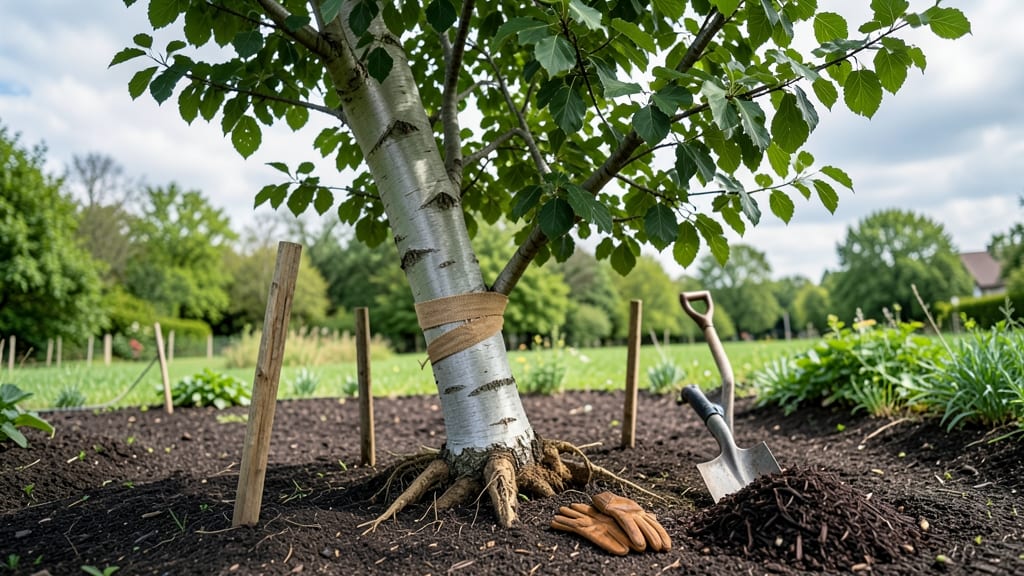
Your leaning tree isn't hopeless—three precise cuts can restore its balance. 🌳 I’ve fixed three leaning oaks this way, and the key isn’t brute force but strategic pruning to redirect growth. The right cuts shift weight distribution while encouraging stronger structural support, often in just one growing season.
Most leans start from shallow roots or storm damage, not just poor growth. Before you prune, check the soil—compacted ground or erosion can worsen the tilt. I learned the hard way that staking alone won’t fix deep-rooted issues; you need to combine cuts with proper soil aeration for long-term stability.
You’ll see immediate improvement after the first cuts—new shoots will grow straighter within 6-8 weeks. The tree won’t just look better; it’ll develop a stronger trunk and root system over time, reducing future lean risks.
For trees over 30 feet or with major structural damage, call an arborist. But for most backyard cases, this method works—even on young trees where prevention is easier than repair. Let’s get started with the right tools and techniques.
Root Causes Of Tree Tilt
When a tree starts to lean, it’s rarely a random act—it’s usually a response to underlying forces acting on its roots, trunk, or environment.
Understanding these causes helps you diagnose the issue and determine whether a leaning tree fix is needed or if the tree is simply adapting to its surroundings. Here’s why it happens, broken down by the real culprits:
A tree’s root system is its foundation, and if it grows unevenly, the tree will tilt to compensate. This happens due to:
- Soil Compaction: Heavy machinery, foot traffic, or construction can compress soil on one side, restricting root growth. Roots naturally seek out looser, oxygen-rich soil, so they’ll expand more on the uncompacted side, pulling the tree sideways. Example: A tree planted near a driveway where cars frequently park may lean toward the less-disturbed side.
- Poor Planting Depth: If a tree is planted too shallowly, roots on one side may dry out faster or struggle to anchor. Over time, the tree leans toward the side with deeper, more stable roots.
- Root Girdling: When roots grow in circles (often due to grafting or wounding), they can strangle the trunk and disrupt the tree’s balance. This is common in nursery-grown trees and can cause a gradual tilt as the girdled side weakens.
💡 Pro Tip: If you suspect root issues, avoid digging near the trunk—you could damage roots further. Instead, use a soil probe to check compaction or consult an arborist for a resistograph test, which measures root strength without harming the tree.
Nature itself can push a tree off-kilter. Wind, water, and even gravity play a role:
- Wind Pressure: Chronic wind from one direction (e.g., coastal areas or open fields) causes trees to lean into the wind over time. This is especially true for tall, flexible species like willows or pines. Fun fact: Some trees, like the Leaning Tower of Pisa’s namesake pine, adapt by growing roots on the windward side to counteract the force.
- Water Imbalance: Excessive water on one side (from poor drainage, irrigation, or flooding) can soften the soil, making it easier for roots to shift. Conversely, drought on one side can dry out roots, reducing their anchoring power. Example: A tree near a slope where water pools may lean uphill.
- Gravity + Trunk Weakness: If a tree’s trunk is damaged (e.g., from storm cracks, splits, or decay), the side with the weakest wood may sag, causing a lean. 🚨 Warning: A sudden lean after a storm could signal a broken trunk—act fast to assess stability.
✨ Actionable Fix: For wind-prone trees, consider installing guy wires or planting windbreaks (like shrubs) on the exposed side to reduce stress.
Some leans are simply a tree’s natural growth habit—or a sign of competition:
- Phototropism: Trees grow toward light, so if one side is shaded (by a building, fence, or taller tree), the tree will lean toward the sun. This is common in urban settings and isn’t always harmful unless extreme.
- Competition for Space: Trees in tight spaces (e.g., between sidewalks or in crowded forests) may lean away from neighbors to access sunlight or nutrients. Example: A maple tree growing between two houses might lean diagonally to escape the “shadow war.”
- Genetic Tilt: Some species, like the Leaning Oak or Weeping Willow, naturally grow at angles. While aesthetically striking, these leans are usually stable unless exacerbated by other factors.
🌡️ Key Question: Is the lean structurally sound or just cosmetic? If the tree is healthy (green leaves, no cracks, firm trunk), it may not need intervention—just monitor it annually.
Now that you know why a tree leans, the next step is assessing whether it’s a fixable issue or a sign of deeper trouble. Stay tuned for our guide on 3 strategic cuts to restore balance—or when to call in the pros.
Fixing a Leaning Tree Safely
A leaning tree isn’t just an eyesore—it can pose serious risks to your property, safety, and even the tree’s long-term health. The good news? With the right approach, you can stabilize it or correct its lean without cutting it down.
Below, we break down practical solutions based on the most common causes of a leaning tree, along with prevention tips to keep it upright for years to come.
If your tree is leaning due to shallow roots, erosion, or poor soil support, the fix starts below ground.
🔧 Solution: Reinforce the Root System
- Add Support with Guying or Staking
- Install tree guy wires (steel cables anchored to the ground) or stakes to redistribute weight.
- Use dynamic supports (like flexible straps) to allow natural movement without restricting growth.
- Pro Tip: 💡 Angle the support away from the lean (e.g., if the tree leans west, anchor the support east).
- Improve Soil Drainage & Compaction
- Loosen compacted soil around the root flare (where the trunk meets the roots) with a broadax or aeration tool.
- Mix in organic matter (compost or mulch) to improve stability and moisture retention.
- Avoid heavy foot traffic near the base—compacted soil accelerates lean.
- Water Deeply & Consistently
- Deep watering (1-2 inches per week) encourages deeper root growth.
- Use a soaker hose to avoid surface runoff that can erode soil.
If wind or storms caused the lean, structural reinforcement is key.
⚡ Solution: Wind Resistance Techniques
- Prune for Balance
- Remove heavy branches on the leaning side to shift the tree’s center of gravity.
- Avoid top-heavy cuts—focus on lower branches for stability.
- Warning: ⚠️ Never remove more than 25% of the canopy in one session.
- Install a Tree Brace or Cabling System
- For large, mature trees, professional cabling (metal rods connecting branches) prevents further lean.
- Use tree brackets (like Tommy’s Tree Service brackets) for added support.
- Create a Windbreak
- Plant fast-growing shrubs or smaller trees on the windward side to reduce exposure.
- Use windbreaks (like bamboo fencing) temporarily during storm season.
If your tree is still young, corrective pruning and training can prevent permanent lean.
🌱 Solution: Prune & Train for Upright Growth
- Selective Branch Removal
- Remove competing leader branches (competing vertical stems) to encourage a single strong trunk.
- Use hand pruners for small branches and pruning saws for thicker limbs.
- Use a Tree Tie or Stake (Temporarily)
- For saplings, tie the trunk to a stake with soft fabric (like tree tie straps) to guide growth.
- Remove stakes after 1-2 years to avoid girdling.
- Monitor for Pests & Disease
- Root rot, borers, or fungal infections weaken structural integrity.
- Treat with fungicides (for disease) or beneficial nematodes (for pests) if needed.
Some leans are too severe for DIY fixes. Hire an arborist if: ✅ The lean is over 30 degrees from vertical. ✅ The tree is cracked, split, or showing major decay. ✅ You’re unsure about root health or structural risks.
- Mulch Properly: Apply 2-4 inches of mulch (wood chips) 3 feet from the trunk to protect roots.
- Avoid Soil Compaction: Use gravel paths instead of hard surfaces near the base.
- Regular Pruning: Annual light pruning keeps the tree balanced.
- Check Guying Systems: Inspect cables and stakes every 6 months for wear.
Final Thought: A leaning tree doesn’t always mean it’s doomed—early action can save it. Start with soil improvement and selective pruning, then reinforce with support systems if needed.
When in doubt, consult an arborist to assess the best (and safest) approach for your tree’s health and your property’s security. 🌿✨
Frequently asked questions
How do I know if my leaning tree needs professional help?
Call an arborist if the lean exceeds 30 degrees from vertical, the trunk shows cracks or splits, or you notice major decay. Young trees with shallow roots may need staking, while mature trees often require professional cabling or bracing systems. Always consult an expert if you're unsure about structural risks.
Can I fix a leaning tree without cutting it down?
Yes! Most leans can be corrected through strategic pruning, soil improvement, and support systems like guy wires or stakes. Focus on removing heavy branches from the leaning side and reinforcing roots with organic matter. Avoid heavy pruning—never remove more than 25% of the canopy in one session.
What’s the best time of year to address a leaning tree?
Late winter or early spring is ideal when the tree is dormant but about to regrow. This gives roots time to establish before summer stress. Avoid pruning during extreme heat or cold—both can shock the tree. For young trees, you can also stake them during planting season.
Will staking a tree permanently fix a lean?
No, staking alone won’t permanently correct a lean—it’s a temporary support while roots adjust. For long-term fixes, combine staking with soil aeration, proper pruning, and organic matter. Remove stakes after 1-2 years to prevent girdling (where the stake cuts into the trunk as it grows).
How do I tell if my tree’s lean is natural or dangerous?
A natural lean is usually gradual, with no cracks, dead branches, or sudden shifts. Dangerous leans often follow storms, show visible trunk damage, or have roots exposed. If the lean feels "active" (moving over time) or the ground around the base is unstable, seek professional assessment immediately.