
Container Gardens
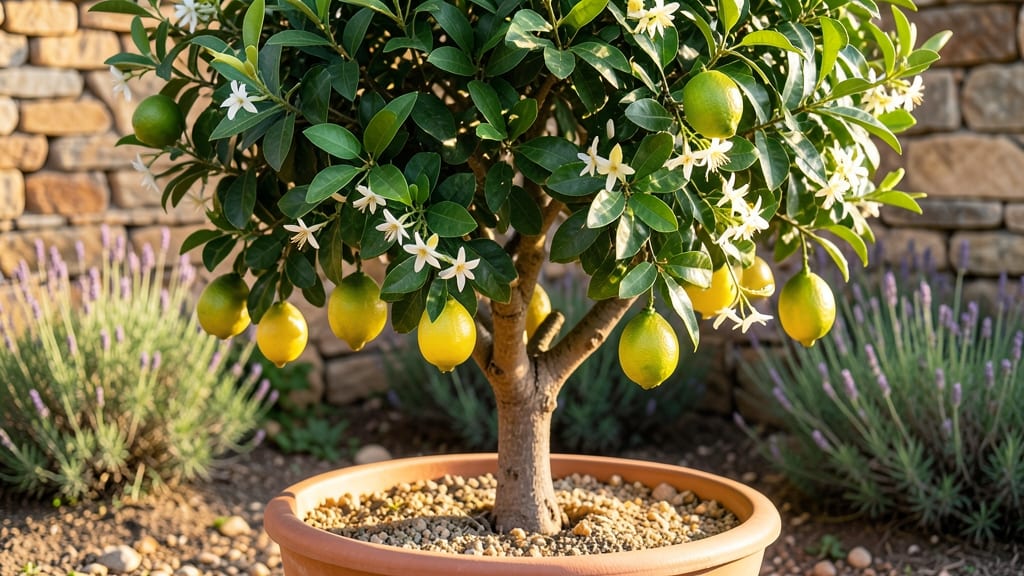
Growing a lemon tree in containers starts with understanding the lemon tree growing conditions—sunlight, soil, and a little patience—your citrus dream begins with these three critical factors. 🌱 I’ve watched my own lemon tree go from a sad nursery sapling to a thriving plant producing fruit, and the difference came down to matching its needs to its environment.
The key is mimicking its Mediterranean roots: bright light, well-draining soil, and consistent care that keeps it happy year-round.
Lemon trees crave 6-8 hours of direct sunlight daily, but they’ll tolerate partial shade in hot climates—just expect smaller fruit. The soil must drain like a dream (think sandy loam mixed with perlite), because soggy roots lead to root rot faster than you can say "lemon curd."
Water when the top inch of soil feels dry, but never let it sit in standing water. Temperature matters too: keep it between 60-85°F, and protect it from frost or sudden cold snaps.
With the right setup, you’ll see new growth within weeks and flowers by spring. The first lemons might take a year or two, but the journey—watching those glossy leaves unfurl and the sweet citrus scent fill the air—is worth every drop of water.
Container growing makes this easier than ever, as you can move your tree to follow the sun or bring it indoors when needed.
Here’s the secret weapon: a 15-20 gallon pot with drainage holes and a saucer to catch excess water. Avoid cheap plastic containers—they trap moisture and heat up too fast. And if your tree starts dropping leaves or looking pale, it’s usually a cry for more light or better-draining soil.
Trust the process, and soon you’ll be harvesting lemons that taste like summer in a pot.
📚 In This Guide
- What you need
- Instructions
- Tips and common mistakes
- Wrapping up and next steps
What you need
- ● Container: At least 5-gallon capacity (15+ gallons for mature trees). Ensure it has drainage holes and is made of terracotta, plastic, or fiberglass.
- ● Well-draining potting mix: A blend of citrus-specific soil (or a mix of 50% peat moss/compost, 30% perlite/sand, and 20% coconut coir). Avoid garden soil—it compacts!
- ● Lemon tree sapling: Choose a dwarf variety (like Meyer lemon) for containers. Buy from a nursery or reputable online seller.
- ● Fertilizer: A balanced citrus fertilizer (e.g., 6-6-6 or 8-3-9) or organic options like fish emulsion or citrus-specific compost.
- ● Mulch: Organic mulch (e.g., straw or wood chips) to retain moisture and regulate soil temperature.
- ● Self-watering system: A drip irrigation kit or wicking bed to maintain consistent moisture.
- ● Grow lights: If indoors, a full-spectrum LED grow light (12–16 hours/day) for 6+ inches of coverage.
- ● Support stake: A small bamboo or metal stake to stabilize young trees as they grow.
- ● Epsom salt: 1 tablespoon/month dissolved in water for magnesium (prevents yellowing leaves).
- ● Pest control: Neem oil or insecticidal soap for aphids/spider mites.
Step-by-step guide to creating ideal lemon tree growing conditions
Here's how I create the perfect environment for thriving container-grown lemon trees.
☀️ Step 1: Position for Maximum Sunlight
Lemon trees demand 6-8 hours of direct sunlight daily—no compromises. Place your container near a south-facing window or on a patio where the sun bathes the tree all afternoon. If indoors, supplement with a grow light positioned 6-12 inches above the tree for 14 hours daily.
Rotate the pot quarter-turn weekly so all sides get even light. You'll notice new growth leaning toward the light—this is your signal to adjust the position. In winter, when sunlight weakens, move the tree to the brightest spot in your home, even if it means sacrificing a cozy corner.
🪴 Step 2: Choose the Right Container and Soil Mix
Use a 5-gallon or larger container with drainage holes—lemon trees hate soggy roots. I prefer terra cotta because it breathes and helps regulate moisture. The soil should be a well-draining citrus potting mix (never garden soil—it compacts and suffocates roots).
Fill the pot with soil up to 1 inch below the rim, leaving room for watering. Tap the container gently to settle the mix without compacting it. The ideal soil should feel like a damp sponge—light enough for roots to spread but rich enough to hold nutrients. Add a 1-inch layer of gravel at the bottom for extra drainage.
💧 Step 3: Water Deeply and Consistently
Water when the top 2 inches of soil feel dry—stick your finger in to check. Lemon trees prefer even moisture but won’t tolerate soggy soil. In summer, you’ll water every 2-3 days; in winter, reduce to once a week. Always water at the base to avoid wetting leaves, which invites fungal diseases.
Drain excess water completely from the saucer after 10 minutes. Yellowing leaves often mean overwatering—let the soil dry out slightly before watering again. If the leaves feel crispy, it’s underwatering; if they’re mushy, you’ve overdone it. Balance is everything.
✂️ Step 4: Fertilize and Prune for Health
Feed your lemon tree monthly with a balanced citrus fertilizer (10-10-10 or similar) during spring and summer. In fall and winter, cut back to every 6-8 weeks. I mix fertilizer into the top inch of soil and water it in—never apply to dry soil, or you’ll burn the roots.
Prune in late winter or early spring to shape the tree and encourage airflow. Remove any dead, crossing, or inward-growing branches with clean, sharp shears. Aim to keep the tree open and airy—this prevents pests and disease. You’ll see fresh, green growth within weeks of pruning.
🌿 Step 5: Monitor for Pests and Adjust Conditions
Check the undersides of leaves weekly for spider mites, aphids, or scale. Wipe leaves with a damp cloth to remove dust and pests. If you spot trouble, treat with neem oil (mix 1 tsp per quart of water) and spray until leaves glisten. Repeat every 5-7 days until pests disappear.
Watch for signs of stress: dropping leaves mean too little light or water; yellow leaves often signal overwatering. Adjust your care routine based on what you observe. Lemon trees thrive when their environment mimics their natural Mediterranean climate—bright light, warm days, and cool nights.
Tips & tricks for perfect lemon tree growing conditions
Between us, these little details make the difference between a struggling lemon tree and one that rewards you with fruit for years. Here's what nobody tells you—
Light Positioning: That south-facing window is non-negotiable, but here's the thing: if you're using a grow light, position it 6-12 inches above the tree's tallest point—not the pot's rim. I learned this the hard way when my new growth stretched toward the light but the older branches stayed bare. Also, rotate your tree every week—this prevents lopsided growth that looks like your tree is doing the limbo.
Container Material Matters: While terra cotta is ideal, plastic pots actually retain moisture better in dry climates. If you choose plastic, add extra drainage holes (I drill 3-4 more than the manufacturer's specs) and use a gravel layer twice as thick (2 inches instead of 1) to prevent root rot. The key is balancing drainage with moisture retention—your tree's roots need both.
Watering Wisdom: The top 2 inches rule works, but here's the secret: use your finger to check moisture at two different spots in the pot. Lemon trees can develop dry pockets even when the surface feels damp. When watering, pour slowly until you see water running from the drainage holes—this ensures even saturation without creating soggy bottoms. That 10-minute drain time is crucial for preventing root suffocation.
Fertilizer Timing: I've found that applying fertilizer right after watering (not before) prevents root burn. During the monthly spring/summer feeding schedule, split each dose into two applications—half now, half in 3 days. This gradual introduction helps your tree absorb nutrients without shock. And in winter? Skip the fertilizer entirely if your tree looks dormant—it's resting, just like you would.
Pro Tips for Lemon Tree Growing Conditions
- Between us, these little details make the difference between a struggling lemon tree and one that rewards you with fruit for years.
- Light Positioning: That south-facing window is non-negotiable, but here's the thing: if you're using a grow light, position it 6-12 inches above the tree's tallest point—not the pot's rim.
- Container Material Matters: While terra cotta is ideal, plastic pots actually retain moisture better in dry climates.
Frequently asked questions
Got questions about growing your own lemon tree? You’re not alone! Here are answers to the most common concerns—whether you’re a container gardening newbie or a seasoned citrus enthusiast.
How much sunlight does a lemon tree need in a container?
A lemon tree thrives on 6–8 hours of direct sunlight daily. In containers, place it near a south- or west-facing window or use grow lights for 12–14 hours/day in low-light spaces. Without enough sun, growth slows, and fruit production drops. Pro tip: Rotate the pot weekly for even light exposure!
Can lemon trees survive winter in containers?
Lemon trees are tender perennials and need protection below 40°F (4°C). Move potted trees indoors near bright windows or wrap them in frost cloth. If outdoors, use insulated pots and mulch the soil. Warning: Sudden cold snaps can shock the plant—monitor forecasts!
How often should I water a potted lemon tree?
Water when the top 1–2 inches of soil are dry (usually every 5–7 days). Containers dry out faster than ground soil, so check moisture regularly. Overwatering causes root rot—ensure pots have drainage holes! Bonus: Use room-temperature water to avoid shocking roots.
Why isn’t my lemon tree fruiting?
Common reasons include lack of sunlight, young age (3+ years to bear fruit), or nutrient deficiencies. Boost blooms with a citrus-specific fertilizer (high in nitrogen first, then phosphorus/potassium). Fun fact: Hand-pollinate flowers with a soft brush for better fruit set!
What’s the best soil mix for container-grown lemon trees?
Use a well-draining mix like 60% potting soil, 20% perlite, and 20% compost. Avoid heavy garden soil—it compacts and suffocates roots. For extra drainage, add orchid bark or coarse sand. Pro tip: Repot every 2–3 years to refresh nutrients!
Can I grow a lemon tree from a grocery store lemon?
Yes! Sprout seeds from organic lemons (non-hybrid varieties work best). Soak the seed in water for 24 hours, plant in moist soil, and keep warm. Germination takes 2–4 weeks. Note: Seed-grown trees may take 5+ years to fruit and won’t match store-bought varieties.
Wrapping up and next steps
Growing a thriving lemon tree in containers is totally within reach—just remember the golden trio: sunlight, well-draining soil, and patience! 🌞 With the right care, your citrus tree can reward you with fragrant blooms and juicy lemons year after year.
Now that you’re armed with the perfect conditions, why not take the next step?
🌱 Ready to Plant?
- Pick your container and soil mix today—your lemon tree is waiting!
- Check your local hardiness zone to plan for seasonal adjustments.
- Share your progress with fellow gardeners—tag us in your container garden pics! 📸
Your citrus adventure starts now—let’s grow something amazing together! 🍋✨