
Pruning
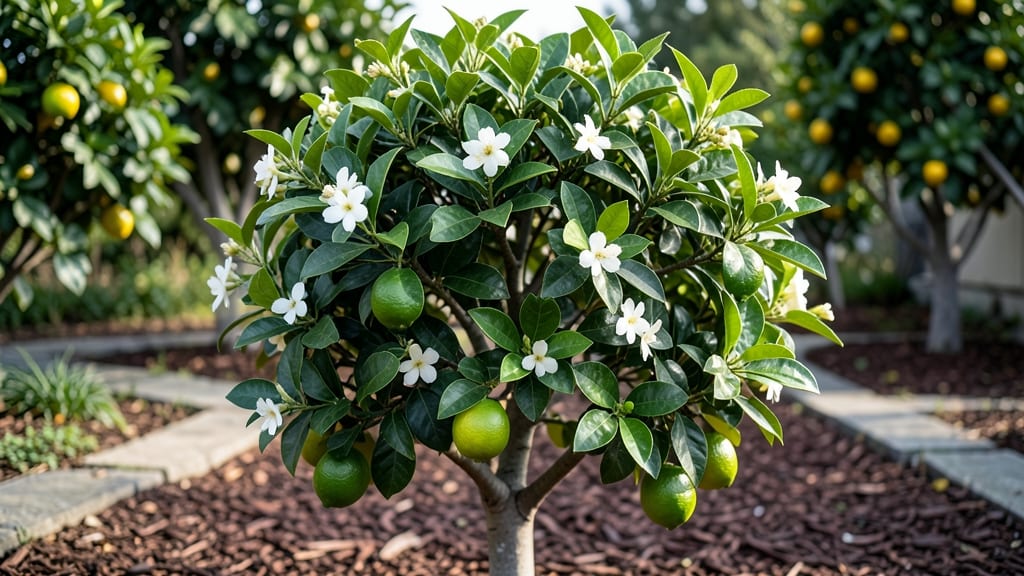
Your lime tree’s hardiness zone determines whether it thrives outdoors or needs winter moves. 🌿 Key limes (like 'Mexican' or 'Bearss') love USDA Zones 9-11, while Persian limes (like 'Eureka' or 'Lemon') stretch into Zone 8 with protection.
Frost kills them fast—even a light freeze can devastate leaves and fruit. The trick is matching your zone to the tree’s nature: tropical lime trees hate cold, but container growing lets you bring them inside before 32°F hits.
I’ve kept potted limes in Zone 7 for years by moving them to a garage or sunroom when temps drop. Just don’t skimp on light—they need 6+ hours of sun daily, even indoors.
You’ll see the difference in fruit set: outdoor trees in perfect zones produce year-round, while container trees yield best in summer. The trade-off? Indoor limes need more pruning to control size and encourage branching. A little shaping now means more harvests later.
For Zone 5-6 gardeners, this isn’t a maybe—it’s a must-move strategy. But even in colder areas, lime trees can thrive with the right setup. Let’s get your tree set up for success, no matter where you live.
📚 In This Guide
- What you need
- Instructions
- Tips and common mistakes
- Wrapping up and next steps
What you need
- ● Pruning shears – Sharp, bypass-style shears (for small branches, 10-15 inches in length).
- ● Loppers – For thicker branches (16-24 inches in length, 2-3 foot reach).
- ● Pruning saw – Heavy-duty saw for thick, woody branches (3-4 inches in diameter).
- ● Disinfectant (70% isopropyl alcohol or bleach solution) – 1 part bleach to 9 parts water (to sterilize tools between cuts).
- ○ Garden gloves – Heavy-duty, cut-resistant gloves (optional but highly recommended for thorny varieties like key lime).
- ○ Pruning sealant (optional but helpful) – For large cuts to prevent disease (e.g., Tanglefoot Tree Wound Pruning Sealer).
- ● Weather check – Prune on a dry, overcast day (avoid midday heat or rain).
- ● Ladder or step stool – If your lime tree is 6+ feet tall (ensure it’s stable and non-slip).
- ● Safety glasses – Protects eyes from debris (especially when sawing thick branches).
- ● Work boots or closed-toe shoes – For stability on uneven ground.
- ● Trash bags or bucket – To collect pruned branches and leaves (compost or dispose of diseased material immediately).
Instructions for pruning lime trees by variety
Pruning transforms a tangled mess into a productive, healthy lime tree—here’s how to do it right for each type.
✂️ Step 1: Prune Young Trees for Strong Structure
Focus on removing any branches growing inward or crossing others—these compete for sunlight and air flow. Lime trees like Persian and Bearss need this early shaping to prevent future congestion. Use clean, sharp pruners to make cuts just above a leaf node or bud, angled slightly downward to prevent water pooling.
For dwarf varieties like Meyer, keep the tree at about 4-5 feet tall to encourage dense branching. You’ll see new growth within 2-3 weeks if you’ve pruned correctly—look for fresh green shoots at the cut points. Avoid heavy pruning in the first year; just remove dead or diseased branches.
✂️ Step 2: Thin Out Mature Trees for Airflow
Mature trees, especially Key or Tahiti varieties, need 10-20% of their branches removed annually to maintain airflow. Start by removing any dead, diseased, or broken branches first—these are easy to spot by their brown or hollow appearance. Next, thin out branches that grow too close together, aiming to leave 6-8 inches of space between them.
Watch for branches growing straight up—these are called "water sprouts" and should be cut back to a lateral branch. You’ll know you’ve done this right when sunlight reaches the inner canopy and fruit production increases. Prune in late winter or early spring before new growth begins.
✂️ Step 3: Shape for Fruit Production and Aesthetics
Lime trees like Kaffir and Rangpur respond well to a modified central leader shape—keep one strong central trunk and a few well-spaced scaffold branches. Prune back any branches that grow below the main scaffold to redirect energy upward. For Meyer or Persian trees, you can also create a more open vase shape by removing lower branches to improve fruit access.
Step back and look at your tree from all angles—this helps identify uneven growth. If one side looks sparse, prune back a few branches on the fuller side to balance it. Avoid over-pruning; healthy lime trees can handle no more than 25% of their canopy removed in one season.
✂️ Step 4: Clean Up and Prevent Disease
After pruning, sterilize your tools with 70% rubbing alcohol or a bleach solution to prevent spreading disease. Remove all pruned branches from the area—don’t leave them on the ground, as they can harbor pests and fungi. For citrus trees, which lime trees are related to, this step is critical to avoid citrus canker or melanose.
Apply a thin layer of copper fungicide if your tree is in a humid climate or if you’ve noticed signs of disease. You’ll know your pruning was successful when the tree shows new, vibrant growth by late spring and fewer signs of stress or disease. Keep an eye out for any new issues and address them promptly.
Tips & tricks for perfect lime tree pruning
Here's what nobody tells you about getting your lime tree pruning just right—these little details make all the difference.
Timing is Everything: Late winter or early spring is the perfect window for pruning because the tree is still dormant but about to burst with new growth. If you prune too early, you risk exposing tender new shoots to cold snaps, while waiting too long means you'll be cutting back growth that could have produced fruit. I've seen trees pruned in summer struggle to recover, so mark those calendar dates!
Tool Prep Prevents Problems: Sterilizing your pruners with 70% rubbing alcohol or bleach isn't just about cleanliness—it's disease prevention. I learned this the hard way when my Tahiti lime showed signs of melanose after using the same shears on a diseased branch first. Always clean tools between cuts, especially when working with multiple trees. A small spray bottle with the sterilizing solution makes this quick and easy.
Visual Cues Over Guesswork: When thinning mature trees, aim for that 6-8 inch spacing between branches—but don't just eyeball it. Hold your hand out (about 6 inches) to check spacing as you prune. For water sprouts, look for those vertical branches that shoot straight up like arrows—they're energy vampires that need to go. The goal is sunlight reaching every part of the canopy, not just the outer branches.
Variety-Specific Secrets: Meyer limes respond beautifully to a vase shape, while Kaffir varieties thrive with a modified central leader approach. I've noticed that dwarf varieties like Meyer actually produce more fruit when kept slightly shorter (around 4-5 feet), while taller varieties like Key limes benefit from that open center shape. Always prune with your specific variety's natural growth habits in mind—it makes a world of difference in fruit production.
Pro Tips for Lime Tree Zone
- Here's what nobody tells you about getting your lime tree pruning just right—these little details make all the difference.
- Timing is Everything: Late winter or early spring is the perfect window for pruning because the tree is still dormant but about to burst with new growth.
- Tool Prep Prevents Problems: Sterilizing your pruners with 70% rubbing alcohol or bleach isn't just about cleanliness—it's disease prevention.
Frequently asked questions
Got questions about pruning lime trees in different USDA hardiness zones?
You’re not alone! Here are answers to the most common concerns—whether you’re a first-time pruner or a seasoned gardener fine-tuning your technique.
What’s the best time of year to prune lime trees in my zone?
For tropical lime trees (e.g., Key lime), prune lightly after harvest (late spring) or in early summer to encourage fruiting. Hardy lime varieties (like ‘Meyer’) can handle pruning in late winter or early spring before new growth starts. Avoid heavy pruning in fall—it stresses the tree and invites disease. Pro tip: Check your zone’s last frost date to time it right!
Can I prune a lime tree in Zone 9 if it’s not bearing fruit yet?
Young lime trees (under 3–5 years) benefit from structural pruning to shape their canopy and improve airflow. Focus on removing dead, crossing, or weak branches first. Once established, prune annually to maintain health—fruit production often follows healthy growth. Warning: Over-pruning can delay fruiting, so keep cuts to <1/3 of the tree’s foliage.
How do I know if I’m pruning too much or too little?
Too much: Yellowing leaves, stunted growth, or no fruit after 1–2 years. Too little: Overcrowded branches, pest hotspots, or weak structure. Aim for 10–20% of the tree’s foliage removed per year. For example, a mature ‘Meyer’ lime might need 2–3 branches trimmed annually. Visual cue: Look for an open center with sunlight reaching the core.
Are there lime tree varieties that need less pruning?
Yes! Dwarf varieties like ‘Improved Meyer’ or ‘Bearss’ require minimal pruning (just shape and remove dead wood). Standard-sized trees (e.g., Persian lime) need regular upkeep. Alternative tip: If pruning feels overwhelming, try selective pruning—focus on one area (like water sprouts or suckers) per season.
Why does my lime tree keep getting pests after pruning?
Pruning creates fresh wounds that attract pests like aphids, scale, or citrus leaf miners. Prevent it: Sterilize tools with rubbing alcohol, seal large cuts with pruning sealant, and prune during dry, cool weather. Fix it: Spray with neem oil or insecticidal soap if pests appear. Bonus: Healthy trees (from proper pruning!) resist pests better.
Do I need special tools for lime tree pruning?
Basic tools suffice: bypass pruners (for small branches), loppers (thicker branches), and a pruning saw for large limbs. Zone-specific tip: In colder zones (e.g., Zone 8), use disinfectant between cuts to prevent fungal spread. For tropical limes, sharp, clean tools are critical—dull blades tear bark, inviting disease.
Wrapping up and next steps
Mastering the art of pruning your lime tree isn’t just about keeping it tidy—it’s about unlocking its full potential! 🌿 Whether you’re tending to a tangy Mexican lime, a fragrant Kaffir lime, or a hardy Persian lime, the right techniques will reward you with bountiful harvests and lush, vibrant growth.
Remember: patience and precision pay off, and your tree will thank you with juicy, flavorful fruit for years to come.
Ready to take the next step? Grab your pruners, mark your calendar for the best pruning seasons, and give your lime tree the care it deserves. Happy pruning—and may your harvest be plentiful! 🍋✨