
Pruning
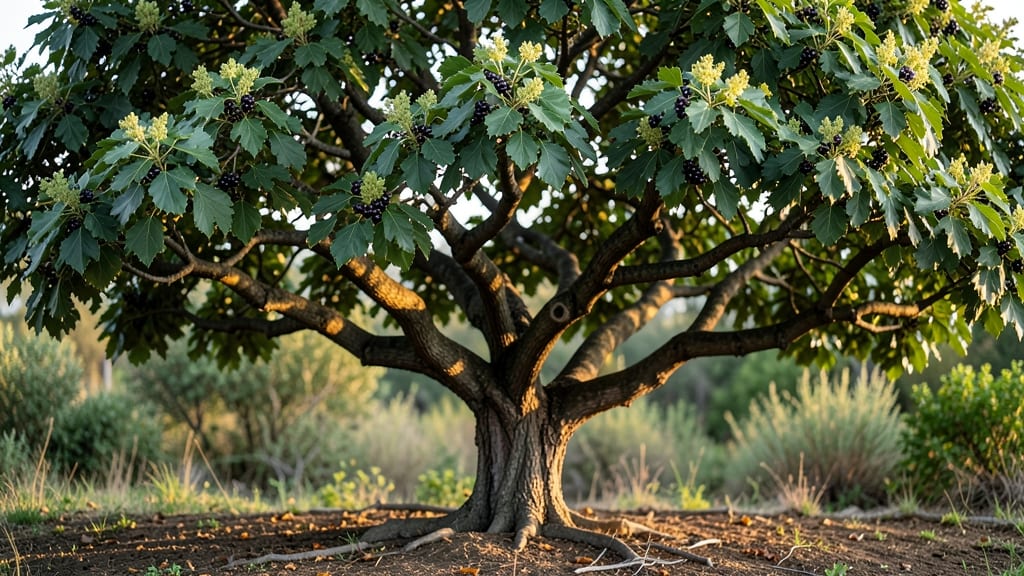
A large mulberry tree 🌳 can become a stunning shade provider or an unruly giant—depending on how you manage it.
If your mulberry tree is reaching sky-high proportions and threatening your property or power lines, strategic pruning can transform it from a towering nuisance into a manageable, fruit-bearing asset—without chemicals or drastic measures.
Most gardeners assume these trees grow wild and unchecked, but with the right techniques, you can control their height while keeping them healthy and productive. The key is understanding when to prune, which branches to trim, and how to avoid common mistakes that can weaken the tree.
In this guide, I’ll walk you through seasonal pruning schedules, the best tools to use, and even natural alternatives like root control or dwarf varieties if you want to keep your mulberry tree from becoming a 60-foot monster.
When and how to prune a large mulberry tree for controlled growth
Pruning a large mulberry tree (up to 60 feet tall) may seem daunting, but with the right timing and technique, you can safely reduce its height while keeping it healthy and productive.
The key lies in understanding the two pruning types: structural pruning to reshape the tree and maintenance cuts to remove dead or overgrown branches.
Mulberries respond well to pruning when done correctly, and the best time to tackle this task is late winter or early spring, just before new growth begins.
Before you start, gather your tools: a sharp pruning saw for thick branches, loppers for medium branches, and hand pruners for smaller cuts. Safety gear like gloves and eye protection is also essential, especially when working with large branches.
Always sterilize your tools with rubbing alcohol to prevent the spread of diseases like mulberry anthracnose. Remember, mulberry trees can produce up to 30% more fruit when pruned properly, making the effort well worth it!
Step-by-Step Guide to Pruning a Large Mulberry Tree
- 1 Plan your cuts: Sketch a rough outline of your tree’s new shape. Focus on removing dead, diseased, or crossing branches first. Aim to remove no more than 25% of the tree’s canopy in a single session to avoid stressing the tree.
- 2 Start with structural pruning: Remove large branches that are rubbing against each other or growing inward. Cut just outside the branch collar (the swollen area where the branch meets the trunk) at a 45-degree angle. Avoid leaving stubs, as they can invite rot.
- 3 Thin the canopy: Selectively remove branches to improve air circulation and sunlight penetration. Focus on branches that are too close together or growing straight upward. Aim to maintain an open vase shape to encourage fruit production.
- 4 Reduce height gradually: If your goal is to lower the tree, prioritize removing branches from the top third of the tree. Never remove more than 1/3 of the tree’s height in one year. Spread out major reductions over 2-3 years to avoid shocking the tree.
- 5 Clean up cuts: Seal larger cuts (over 2 inches in diameter) with pruning sealant to prevent disease. For smaller cuts, let them heal naturally. Remove all cuttings and debris from the base of the tree to reduce pests and diseases.
- 6 Fertilize and water: After pruning, apply a balanced fertilizer (10-10-10) to encourage new growth. Water deeply to help the tree recover. Mulch around the base with 3-4 inches of organic mulch to retain moisture and regulate soil temperature.
Timing is critical when pruning mulberry trees. Late winter (February-March) is ideal because the tree is dormant, making it easier to see the structure and assess which branches to remove.
Avoid pruning in fall or early winter, as this can stimulate new growth that may not harden off before frost, leading to winter damage. If you must prune in summer, do so after harvest (late August) to allow the tree to recover before winter.
One common mistake is pruning too aggressively in a single session. Mulberry trees are resilient, but removing more than 25% of the canopy at once can stress the tree, making it vulnerable to pests and diseases.
Instead, plan your pruning over 2-3 years, focusing on one section of the tree each year. This gradual approach also allows you to monitor the tree’s response and adjust your plan as needed.
To encourage more fruit production, prioritize pruning branches that are overcrowded or shaded. Mulberry trees produce fruit on current season’s growth, so removing old, unproductive wood stimulates new, fruiting branches. Always make cuts just outside the branch collar and avoid leaving stubs.
If you’re unsure about a cut, err on the side of caution and make a smaller cut—you can always prune more later.
Safety is paramount when pruning large mulberry trees. If your tree exceeds 30 feet in height, consider hiring a professional arborist. Falling branches can cause serious injury, and climbing a tree without proper training is risky.
If you’re pruning from the ground, use a pole pruner to reach high branches safely. Never stand on ladders or climb the tree yourself unless you’re fully equipped and experienced.
After pruning, keep an eye on your mulberry tree for signs of stress, such as yellowing leaves, wilting, or excessive sap flow. These signs indicate the tree may be struggling to recover. If you notice any issues, adjust your watering and fertilizing routine to support the tree’s recovery.
With proper care, your pruned mulberry tree should bounce back with vibrant new growth and even more abundant fruit production in the following seasons.
Finally, remember that mulberry trees grow quickly—up to 3 feet per year in ideal conditions. Regular maintenance pruning (every 1-2 years) will help keep the tree under control and ensure it remains a productive part of your landscape.
With patience and the right techniques, you can transform your towering mulberry into a well-managed, fruit-bearing beauty.
Pruning a mulberry tree large is an art that requires patience and precision. Many gardeners unintentionally harm their trees by making common mistakes during pruning, which can lead to stunted growth or even tree death. Understanding these errors—and how to avoid them—will help you maintain a healthy, productive tree for years to come. One of the biggest mistakes is pruning at the wrong time of year. Mulberry trees are sensitive to heavy cuts outside their dormant season, which typically runs from late fall to early spring. Pruning during active growth can stress the tree and leave it vulnerable to disease. Additionally, improper cuts—like leaving stubs or tearing bark—can create entry points for pests and infections. Another critical error is over-pruning, where more than 25% of the tree’s foliage is removed in a single session. This can shock the tree, reducing its ability to photosynthesize and produce fruit. Even experienced gardeners sometimes remove too many branches, thinking it will encourage better growth, but the opposite often happens. 🌳 Recovery Tip: If your tree is already damaged, focus on light pruning in early spring and apply a fungicide treatment to prevent infections. Improper cutting techniques are another frequent issue. Always make clean cuts just outside the branch collar—the swollen area where the branch meets the trunk. Avoid cutting flush with the trunk, as this can damage the tree’s vascular system. Additionally, never use hedge trimmers or shears for large branches; opt for a pruning saw or loppers instead. Seasonal missteps, such as pruning after a heavy fruit harvest, can also harm your mulberry tree. Harvesting berries in late summer or early fall weakens the tree, making it more susceptible to winter damage. Always wait until the tree has fully recovered before resuming pruning activities. Pay attention to the tree’s natural cycle and adjust your timeline accordingly. Finally, neglecting to sterilize your tools between cuts can introduce harmful pathogens. Mulberry trees are prone to diseases like powdery mildew and anthracnose, so disinfecting your pruners with rubbing alcohol or a bleach solution is a must. This simple step can save your tree from costly infections and prolonged recovery. By avoiding these common mistakes, you’ll ensure your mulberry tree large remains healthy, productive, and free from disease. Always prune with purpose, and your tree will reward you with abundant fruit and lush foliage for seasons to come. 🌿Mulberry tree pruning mistakes that stunt growth or kill the tree
⚠️ WARNING: Common Mulberry Tree Pruning Mistakes