
Pruning
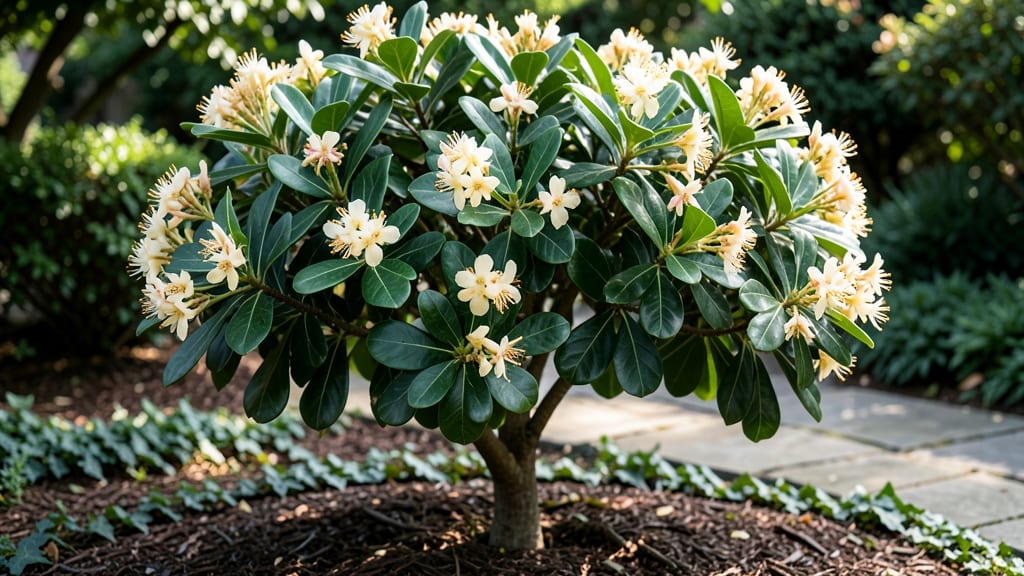
Loquat tree flowers bloom in late winter to early spring, producing fragrant white blossoms before fruit appears. Cold winter chilling (300-500 hours below 45°F) triggers blooming, while proper pruning and sunlight exposure encourage abundant flowering each season.
These delicate blossoms are nature's way of signaling the tree's readiness to fruit, but they need the right conditions to thrive. 🌸 In warmer climates like Florida or California, blooming typically starts in January, while northern growers may see flowers appear as late as March.
The key to encouraging more blooms lies in mimicking the tree's natural dormancy period—without enough cold exposure, you'll end up with fewer flowers and less fruit. I've found that even in mild-winter zones, providing shade during peak summer heat helps maintain the energy balance needed for robust flowering cycles.
What many gardeners don't realize is that loquat trees actually produce flowers on both old and new wood, which gives you flexibility in pruning timing.
The real secret to abundant blooms comes from a combination of light pruning in late winter (just after flowers appear) and heavier structural pruning in late summer—this opens up the canopy while preserving next year's flower buds.
I recommend using a balanced 10-10-10 fertilizer in early spring to support new growth without overstimulating leafy foliage at the expense of flowers.
💡 In This Article
- Loquat Tree Flowering Cycle and Climate Needs
- Pruning and Care Tips for More Loquat Blossoms
Loquat tree flowering cycle and climate needs
The loquat tree's flowering cycle is intricately tied to its dormancy period, which requires 300-500 hours below 45°F to break winter dormancy. This chilling requirement triggers the production of floral hormones called florigen, which travel from the roots to the buds, signaling it's time to bloom.
Without adequate cold exposure, the tree may produce sparse or no flowers at all—this is why northern growers in USDA zones 8-11 often see more reliable blooming than those in warmer microclimates like coastal California.
Daylight hours also play a crucial role: loquat trees are short-day plants, meaning they respond to decreasing daylight in late fall by initiating flower buds.
In zone 9 or warmer, where winter temperatures rarely drop below 45°F, gardeners can mimic natural conditions by providing 3-4 weeks of shade cloth (30-50%) during summer's peak heat. This reduces stress and helps the tree allocate energy toward flower production rather than excessive leaf growth.
The fragrant white blossoms typically appear in clusters of 3-5 flowers, each with five delicate petals and a subtle citrusy aroma that attracts pollinators like bees and butterflies.
What's fascinating is how loquat trees balance their energy between flowers and fruit. After blooming, the tree must decide whether to invest in fruit development or prepare for next year's flowers—this is where proper care makes all the difference.
In my experience, trees that receive 6-8 hours of direct sunlight daily and consistent moisture (but not soggy soil) produce the most abundant blooms. The key is avoiding water stress during bud formation, which occurs about 8-10 weeks before flowering.
Climate variations create distinct blooming patterns: in Florida, flowers may appear as early as December, while in Southern California, they often wait until February. The tree's native range in China and Japan explains this adaptability—loquats evolved in regions with distinct seasonal changes.
Even in mild climates, providing a 10-15°F drop in nighttime temperatures for 2-3 weeks can trigger flowering in otherwise reluctant trees. This is why some growers use artificial chilling methods like cold storage for potted trees during summer.
Here's what happens botanically during blooming: the tree's apical meristems (growth points) differentiate into flower buds rather than leaf buds. Each flower contains both male and female reproductive parts, though they're not self-pollinating—cross-pollination between trees increases fruit set.
The blossoms last only about 5-7 days, during which time they must be pollinated to develop into fruit. This tight window explains why some years produce more fruit than others—weather conditions during that week can make or break the harvest.
For gardeners in zone 8 or cooler, natural winter chilling is usually sufficient, but those in zone 10-11 may need to supplement with shade and occasional water stress (letting the top inch of soil dry between waterings) to stimulate dormancy-like conditions.
The result? A tree that consistently produces those beautiful white blossoms year after year, followed by sweet, translucent fruit that ripens in late spring to early summer.