
Pruning
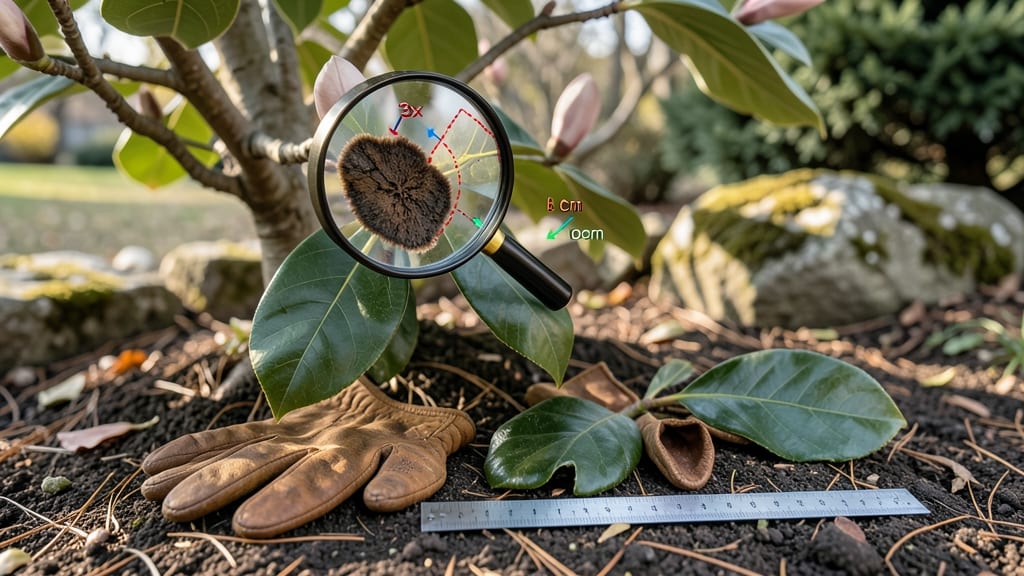
Your magnolia tree’s leaf problems shouldn’t look like that—yellowing, spotting, or curling means it’s sending an SOS. 🌿 I’ve seen everything from powdery mildew to nutrient starvation turn a once-glossy magnolia into a sad, spotted mess, and I’ll show you exactly how to diagnose and fix the problem before it spreads.
The first step is identifying the culprit: fungal infections (like anthracnose) create dark spots with yellow halos, while spider mites leave behind stippled, silvery leaves. Nutrient deficiencies—especially iron or magnesium—show up as yellowing between veins, often starting on younger leaves.
Once you know the cause, the fix is straightforward: prune affected branches, adjust watering, or apply targeted treatments.
With the right approach, your magnolia will bounce back faster than you think. Within weeks, you’ll see fresh, deep-green leaves emerging, and the tree will regain its showstopping health. The key is acting fast—before the problem becomes permanent.
Whether it’s a fungal issue, pest invasion, or simple neglect, we’ll cover organic and chemical solutions that actually work. No more guessing games—just clear, actionable steps to bring your magnolia back to its glossy, disease-free glory.
Root Causes Behind Leaf Struggles
Magnolia trees are majestic, but their leaves sometimes send distress signals—yellowing, spots, curling, or premature drop-off. These issues rarely happen in isolation; they’re usually symptoms of deeper environmental or biological stressors. Understanding the why behind these problems is the first step to restoring your magnolia’s health.
Below, we break down the most common culprits, from soil imbalances to unseen pests, with clear explanations of how they disrupt your tree’s natural processes.
Magnolias thrive when their soil provides a balanced mix of nitrogen (N), phosphorus (P), and potassium (K), along with micronutrients like iron, manganese, and zinc. When these nutrients are lacking, leaves react with visible symptoms:
- Yellowing between veins (chlorosis): Often signals iron or manganese deficiency, common in alkaline soils (pH > 7.0).
These nutrients become less available as soil pH rises, limiting chlorophyll production. Think of it like anemia in plants—leaves can’t photosynthesize efficiently. - Purple or red tinges: A classic sign of phosphorus deficiency, which stunts root growth and weakens overall vigor.
Older leaves may show this first because the tree redirects nutrients to new growth. - Brown spots with yellow halos: Could indicate magnesium or potassium shortages, leading to cellular breakdown in leaf tissue.
Actionable Insight: Use a soil test kit (available at garden centers) to diagnose deficiencies. If pH is high, apply chelated iron (like Ironite) or sulfur-based amendments to lower pH gradually. For micronutrients, a balanced slow-release fertilizer (like 10-10-10) in early spring can help.
Magnolias hate soggy feet but also despise drought stress. Both extremes disrupt nutrient uptake and leaf function:
- Overwatering or poor drainage: - Yellowing leaves with wilting: Roots suffocate in waterlogged soil, starving leaves of oxygen. Fungal pathogens like Phytophthora thrive here, clogging roots and causing leaf drop. - Brown, crispy edges: Often a sign of root rot spreading upward.
Check for mushy, dark roots when digging near the base. - Underwatering or drought: - Curling or scorch marks: Leaves curl to reduce water loss, while edges turn brown and brittle. Think of it as the tree’s version of heat exhaustion. - Premature leaf drop: The tree sheds foliage to conserve moisture, leaving branches bare.
Actionable Insight:
- Improve drainage: Amend clay-heavy soil with compost or sand (50/50 mix) and consider raised beds if your yard floods.
- Water deeply but infrequently: Aim for 1–1.5 inches per week (more in extreme heat). Use a soaker hose to deliver water slowly to the root zone.
- Mulch properly: Apply 2–3 inches of organic mulch (like pine straw or shredded bark) to retain moisture and regulate soil temperature.
Magnolias attract pests and diseases that feast on leaves, leaving behind telltale damage:
- Magnolia Scale (🐜): - Symptoms: Sticky honeydew on leaves, sooty mold (black fungal growth), and yellowing/curling as sap is drained. - Why it happens: These armored insects cluster on stems and undersides of leaves, inserting their mouthparts to suck plant sap.
Weak trees (from stress or poor care) are prime targets.
- Webworms (🕷️):
- Symptoms: Silk webbing on leaves, chewed holes, and frass (insect droppings). Leaves may curl or drop prematurely.
- Why it happens: Caterpillars spin webs to protect themselves while feeding on leaf tissue. Outbreaks spike in hot, dry summers.
- Fungal Leaf Spots (🍄):
- Symptoms: Target-like spots (brown with yellow rings), black dots (fungal spores), or premature defoliation.
- Why it happens: Fungi like Anthracnose or Septoria spread via splashing water or humid conditions. Overhead watering or poor air circulation invites them.
Actionable Insight:
- Scale: Apply horticultural oil (like dormant oil spray) in early spring or late fall to smother eggs. For severe infestations, use systemic insecticides (e.g., imidacloprid).
- Webworms: Handpick webs or use Bt (Bacillus thuringiensis), a natural bacterial spray. Prune and destroy heavily infested leaves.
- Fungal spots: Remove and destroy infected leaves. Improve airflow with pruning and avoid watering foliage. Fungicides like copper-based sprays can help in outbreaks.
Magnolias are adaptable but push back against extreme conditions:
- Heat Stress: - Symptoms: Bronzing or scorch marks on leaf edges, premature drop, or thickened, leathery leaves. - Why it happens: High temperatures (above 90°F) increase transpiration (water loss), while low humidity causes leaf edges to dry out.
Urban areas with air pollution (ozone, sulfur dioxide) can also cause stippling (tiny white/yellow dots).
- Cold Damage:
- Symptoms: Blackened or mushy leaves, bud dieback, or delayed spring growth.
- Why it happens: Young leaves are most vulnerable to late frosts (<28°F). Some magnolia varieties (like Southern magnolias) are less cold-hardy than others (e.g., Little Gem).
- Pollution or Herbicide Drift:
- Symptoms: Yellowing along leaf veins, distorted growth, or necrotic spots.
- Why it happens: Ozone pollution (common in cities) breaks down chlorophyll, while herbicide drift (like glyphosate) can mimic nutrient deficiencies.
Actionable Insight:
- Heat: Provide afternoon shade with a lightweight shade cloth (30–50% coverage) during peak summer. Deep watering and mulching reduce stress.
- Cold: Choose cold-hardy varieties (e.g., Saucer Magnolia) and avoid pruning in late summer (new growth is more frost-sensitive).
- Pollution: If near highways or industrial areas, flush soil with water to reduce salt buildup. Avoid applying salt-based deicers near the root zone.
Sometimes the issue isn’t biological—it’s mechanical:
- Hail or Wind:
- Symptoms: Torn leaves, bruised spots, or stunted growth.
- Why it happens: Physical trauma disrupts cell membranes, causing oxidative stress (like a bruise on a fruit). Leaves may turn brown at damage sites.
- Lawn Equipment or Animals:
- Symptoms: Ragged edges, chewed leaves, or exposed bark.
- Why it happens: Mowers, string trimmers, or deer/rabbits can strip leaves or damage bark, leading to sap oozing and infection entry points.
Actionable Insight:
- Protect young trees with tree guards or burlap wraps.
- Prune damaged branches with sterilized shears to prevent disease spread.
- Fence out wildlife if deer are a recurring issue (use repellent sprays or physical barriers).
How to Fix Magnolia Leaf Issues
When your magnolia’s leaves start showing signs of distress—whether it’s yellowing, curling, or mysterious spots—acting quickly can save your tree from long-term damage. The good news? Most magnolia leaf problems have straightforward fixes, from simple adjustments to targeted treatments.
Below, we’ll break down the best solutions for each common issue, plus prevention tips to keep your tree thriving. Let’s get your magnolia back to its lush, healthy glory! 🌿✨
Yellowing magnolia leaves often signal nutrient deficiencies or poor soil health. Here’s how to turn things around:
🔥 Step 1: Test Your Soil
Before guessing, test your soil’s pH and nutrient levels. Magnolias prefer acidic soil (pH 5.0–6.5).
If your soil is alkaline or lacking key nutrients, amendments are key. - DIY test: Grab a soil test kit (available at garden centers) or send a sample to your local extension office. - Quick fix: If pH is too high, mix in sulfur or peat moss to lower it gradually.
🍳 Step 2: Fertilize Correctly
Magnolias need balanced, slow-release fertilizer in early spring.
Avoid high-nitrogen fertilizers—they burn roots and worsen yellowing. - Best options: - Acid-loving plant fertilizer (e.g., Miracle-Gro Azalea/Camellia) - Organic choices: Compost, worm castings, or a 10-10-10 fertilizer (low nitrogen). - Application: Spread fertilizer 6 inches from the trunk and water deeply afterward.
👨🍳 Step 3: Improve Drainage
Waterlogged roots strangle nutrient uptake. If your soil stays soggy, amend it with:
- Sand or perlite (for sandy soil)
- Compost or coconut coir (for clay-heavy soil)
- Raise beds slightly if drainage is chronically poor.
💡 Prevention Tip
Mulch properly: Apply 2–4 inches of organic mulch (like pine bark) around the base (but not touching the trunk) to retain moisture and acidity. Refresh mulch annually.
Fungal diseases like anthracnose, powdery mildew, or leaf spot create unsightly (and harmful) spots. Act fast to stop the spread!
🔪 Step 1: Prune Infected Leaves
- Remove and destroy (don’t compost!) heavily spotted or curled leaves.
- Sterilize pruners with rubbing alcohol between cuts to avoid spreading spores.
🌡️ Step 2: Apply Fungicide
Use a copper-based fungicide (like Copper Soap) or a neem oil solution (1 tbsp neem oil + 1 quart water + a drop of dish soap).
- Best time to spray: Early morning or late evening to avoid burning leaves.
- Reapply every 7–10 days until new growth appears.
🎯 Step 3: Boost Airflow
Fungi thrive in humid, stagnant conditions. Improve airflow by:
- Thinning dense branches (prune back by 1/3 if needed).
- Watering at the base (avoid overhead sprinkling).
- Planting in full sun (magnolias need 6+ hours of sunlight).
✨ Prevention Tip
Prevent future outbreaks by:
- Raking up fallen leaves (fungi hibernate in debris).
- Planting magnolias where they get good airflow (avoid tight clusters with other plants).
Curling leaves often mean drought stress, pests, or environmental shock. Here’s how to soothe your magnolia:
💧 Step 1: Water Deeply and Infrequently
Magnolias hate shallow, frequent watering.
Instead: - Water slowly (1–2 inches per week) to encourage deep root growth. - Use drip irrigation or soaker hoses to avoid wetting foliage. - Check soil moisture: Stick your finger 2 inches deep—if it’s dry, water again.
🐞 Step 2: Check for Pests
Curling can signal scale insects, spider mites, or magnolia scale.
Inspect the undersides of leaves for: - Sticky residue (honeydew = scale insects). - Tiny webs (spider mites). - White bumps (magnolia scale). - Treatment: - Horticultural oil (like Neem Oil) for soft-bodied pests. - Systemic insecticide (e.g., Imidacloprid) for severe infestations.
🌡️ Step 3: Shield from Extreme Conditions
Magnolias hate sudden temperature swings or harsh winds.
- Mulch heavily in winter to protect roots.
- Use burlap wraps if young trees face strong winds.
- Avoid pruning in late summer (new growth is vulnerable to frost).
💡 Prevention Tip
Mulch like a pro: A 3-inch layer of wood chips or pine straw keeps roots cool in summer and warm in winter.
No matter the issue, these year-round habits will keep your magnolia resilient:
- Prune in late winter/early spring (remove dead/diseased branches).
- Avoid over-fertilizing (too much nitrogen = weak leaves).
- Monitor for pests regularly (catch problems early!).
- Plant in the right spot (most magnolias need acidic, well-draining soil).
With these targeted fixes, your magnolia’s leaves should bounce back in 4–8 weeks. The key is acting early—once issues spread, recovery takes longer. Happy gardening, and may your magnolia stay as stunning as ever! 🌸🌿
Frequently asked questions
Why are my magnolia leaves turning yellow between the veins?
This classic symptom usually means iron or manganese deficiency, especially if your soil is alkaline (pH > 7.0). These nutrients become unavailable in high-pH soil, causing chlorosis (yellowing). Test your soil and amend with chelated iron or sulfur to lower pH gradually.
What causes those ugly brown spots with yellow halos on my magnolia leaves?
Those target-like spots are likely anthracnose or leaf spot fungus, common in humid conditions. Prune infected leaves immediately, improve airflow by thinning branches, and apply copper fungicide every 7–10 days. Avoid overhead watering to prevent spread.
My magnolia leaves are curling—what’s wrong?
Curling often signals drought stress, spider mites, or scale insects. Check leaf undersides for tiny webs (mites) or white bumps (scale). Water deeply but infrequently (1–2 inches/week) and treat pests with horticultural oil. Mulch heavily to retain moisture and protect roots.
Can I save my magnolia if half the leaves are dropping?
Yes! Premature leaf drop usually means root rot (overwatering) or severe pest/disease damage. First, check for mushy roots (root rot) or pests like webworms. Improve drainage with compost/sand, prune dead branches, and apply targeted treatments (fungicide for disease, neem oil for pests). Most magnolias recover within 4–6 weeks with proper care.
How do I know if my magnolia’s soil is too alkaline for healthy leaves?
Test your soil with a home pH kit (available at garden centers). Magnolias thrive in acidic soil (pH 5.0–6.5). If pH is above 7.0, amend with peat moss or sulfur (follow package rates). Yellowing between veins is your first clue—this chlorosis won’t improve until pH is corrected.