
Trees
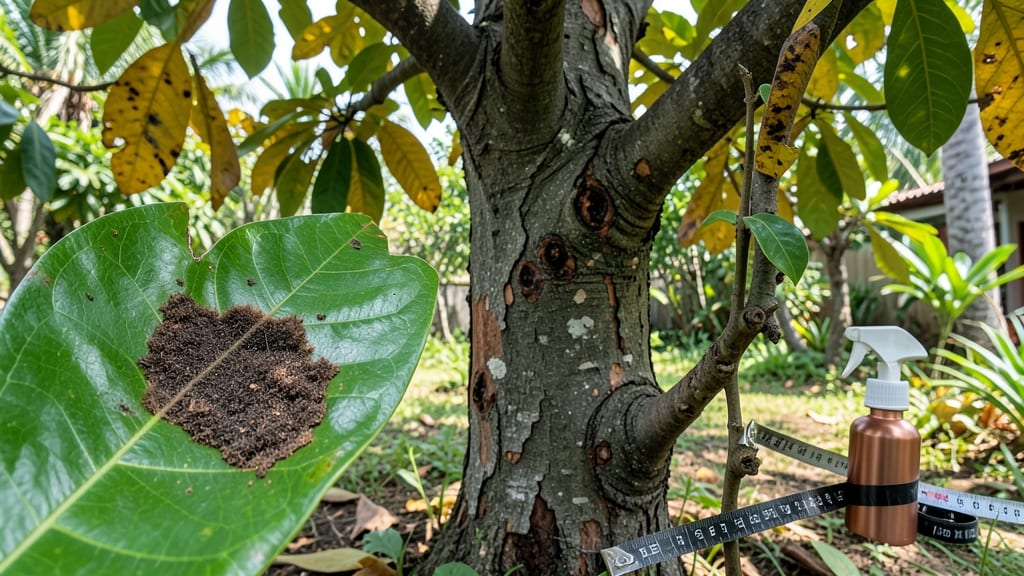
Mango tree fungus turns lush leaves into spotted, yellowing messes—until you know the copper spray cure. 🌿 I’ve battled leaf spot on my own tree, and the difference after one treatment is shocking: new growth stays clean, and fruit production bounces back within weeks.
The key isn’t just spraying—it’s timing, coverage, and preventing the next outbreak before it starts.
Most fungal issues (like anthracnose or powdery mildew) thrive in humid heat, but copper spray disrupts their life cycle. You’ll need copper fungicide, a pump sprayer, and early morning applications to avoid scorching leaves.
The first signs—dark spots with yellow halos—mean it’s already too late for prevention, but copper stops it dead in its tracks.
After treatment, your tree will push out fresh, vibrant green leaves within 2-3 weeks, and the copper residue lingers to protect new growth. The real win? No more wasted fruit from fungal rot, and your tree’s natural defenses get a boost.
This isn’t a one-time fix—it’s a seasonal routine that saves your harvest.
Works for home gardeners in tropical and subtropical climates, whether you’re dealing with a single branch or the whole tree. Here’s exactly how to apply it without burning your foliage—or your patience.
Root Causes of Tree Fungus
Fungal infections in mango trees aren’t random—they’re the result of specific conditions that create the perfect storm for spores to thrive. Understanding these triggers is the first step to prevention and treatment. Below, we break down the key reasons why fungus takes hold, from environmental factors to cultural practices.
Fungi love dampness, and mango trees are especially vulnerable when their leaves, soil, or bark stay wet for prolonged periods. Here’s why:
- Overhead Watering: Splashing water onto leaves spreads spores and creates a humid microclimate where fungi like Anthracnose or Powdery Mildew flourish. 💧 - Heavy Rainfall: Mango trees in tropical or monsoon climates often suffer from fungal outbreaks after prolonged rain.
Poor airflow between branches worsens the issue. - Waterlogged Soil: Compacted or poorly drained soil traps excess moisture at the roots, weakening the tree’s defenses and inviting root rot fungi (e.g., Phytophthora). - Morning Dew: While dew is natural, it lingers longer in dense foliage, giving fungal spores a head start.
Actionable Fix: Improve drainage with organic matter (compost or coconut coir) and water at the base—never from above. Prune for airflow and avoid late-day watering.
A healthy mango tree fights off fungi naturally, but stress makes it susceptible. Common stressors include:
- Nutrient Deficiencies: Low nitrogen, potassium, or zinc weakens leaves, making them easier targets.
Yellowing or stunted growth are red flags. - Physical Damage: Pruning wounds, hail, or pest bites (like aphids) create entry points for fungal spores. 🐜 - Environmental Shock: Sudden temperature swings (e.g., cold snaps in subtropical zones) or extreme heat stress the tree. - Over-Fertilization: Too much synthetic fertilizer burns roots, reducing the tree’s ability to resist pathogens.
Actionable Fix: Test soil annually, use balanced organic fertilizers, and prune with sterilized tools to minimize damage.
Fungal spores hitchhike on tools, wind, or even birds. Here’s how it happens:
- Unsterilized Pruners: Cutting infected branches spreads spores to healthy parts of the tree or nearby plants.
- Windborne Spores: Fungi like Colletotrichum (cause of anthracnose) release spores that travel miles, infecting new hosts.
- Infected Mulch/Compost: Using yard waste from diseased trees introduces pathogens into the soil.
- Cross-Contamination: Sharing tools between infected and healthy trees without cleaning them.
Actionable Fix: Sterilize pruners with 70% rubbing alcohol or bleach solution (1 part bleach to 9 parts water). Remove and destroy heavily infected leaves/debris.
Fungi thrive in specific temperature and humidity ranges. For mango trees, these are the danger zones:
| Fungus Type | Temp Range (°F) | Humidity Threshold | Common Symptoms |
|---|---|---|---|
| Anthracnose | 77–86°F | >80% | Dark spots with yellow halos |
| Powdery Mildew | 68–86°F | >70% | White, powdery coating on leaves |
| Root Rot | 60–90°F | Soil saturation | Wilting, blackened roots |
| Leaf Spot | 75–95°F | >75% | Circular brown/black lesions |
Actionable Fix: Monitor weather forecasts and adjust care during fungal-friendly conditions (e.g., reduce overhead watering during humid spells).
Mango trees with thick, unpruned foliage trap moisture and block sunlight, creating a fungal paradise. Symptoms include:
- Yellowing leaves (from lack of light + trapped humidity).
- Spores spreading rapidly between branches.
- Increased pest activity (e.g., mites), which further stress the tree.
Actionable Fix: Prune to open the canopy, allowing sunlight and airflow. Aim for a 20–30% reduction in density during the dry season.
Lingering infected leaves, fruit mummies, or fallen branches act as spore reservoirs. Even after removal, spores can survive in:
- Leaf litter (especially under the tree).
- Infected fruit (e.g., mangoes with anthracnose).
- Wood chips/mulch from pruned infected branches.
Actionable Fix: Rake up and compost only healthy debris (or burn infected material). Avoid using wood chips from diseased trees as mulch.
Pro Tip 💡: Preventative copper sprays (like the one in our targeted cure) disrupt fungal cell membranes—use them before symptoms appear, especially during high-risk seasons. Combine with neem oil for extra protection!
Quick Fixes for Fungal Woes
Fungal infections on your mango tree can feel like a losing battle, but with the right approach, you can restore your tree’s health—fast. Below, we map common fungal causes to practical, step-by-step fixes, plus prevention tips to keep your tree thriving.
Think of this as your emergency repair guide for leaf spots, powdery mildew, and other fungal invaders.
Cause: Dark, sunken spots on leaves, often with yellow halos—classic signs of leaf spot diseases. These thrive in warm, humid conditions and spread via splashing water or infected tools.
🔥 Step-by-Step Cure
- 🌿 Prune & Remove Infected Leaves
- Snip off all spotted leaves (use sterilized pruners—wipe with rubbing alcohol between cuts).
- Bag and dispose of them in the trash (not compost).
- 💦 Apply a Copper-Based Fungicide
- Mix 1 tbsp copper sulfate (or a ready-made copper fungicide) with 1 gallon of water.
- Spray thoroughly on both sides of leaves and the tree trunk. Reapply every 7–10 days for 3–4 weeks.
- Pro Tip: Early morning or late evening spraying reduces leaf burn from direct sunlight.
- 🌡️ Improve Airflow & Reduce Humidity
- Thin out dense branches to allow sunlight and air circulation.
- Avoid overhead watering—use drip irrigation or water at the base.
💡 Prevention Tips
- 🍄 Space trees properly (15–20 ft apart) to prevent crowding.
- 🌧️ Water early in the day so leaves dry by evening.
- 🛡️ Apply copper spray preventatively before rainy season.
Cause: A white, powdery film on leaves and stems—this fungus loves shady, humid spots and weakens the tree over time.
🍳 Step-by-Step Cure
- 🧼 Clean the Tree Gently
- Wipe leaves with a damp cloth (mild soap + water) to remove mildew.
- Avoid harsh scrubbing—gentle is key to prevent leaf damage.
- 🍄 Use a Sulfur or Neem Oil Spray
- Mix 1 tbsp neem oil or 1 tsp sulfur powder with 1 quart of water + a drop of dish soap (as a surfactant).
- Spray evenly on all surfaces. Reapply every 5–7 days until symptoms disappear.
- ☀️ Boost Sunlight Exposure
- Trim nearby trees/shrubs to increase sunlight on your mango tree.
- Avoid over-fertilizing with nitrogen—it encourages soft, mildew-prone growth.
💡 Prevention Tips
- 🌿 Space trees for airflow—powdery mildew hates dry conditions.
- 🚿 Water at the base, not overhead.
- 🌱 Mulch with straw or wood chips (not thick layers) to prevent soil-borne spores from splashing up.
Cause: Soft, discolored wood at the base or roots—often from overwatering, poor drainage, or fungal pathogens like Phytophthora.
👨🍳 Step-by-Step Cure
- ⏰ Stop Watering Immediately
- Let the soil dry out completely for 3–5 days before resuming watering.
- Check drainage—soggy soil is a fungus’ best friend.
- 🔪 Prune Away Rotten Wood
- Use sterilized pruners to cut out mushy, blackened areas down to healthy wood.
- If the trunk is hollow, fill cavities with a fungicide mix (copper sulfate + water).
- 🛡️ Apply a Soil Drench
- Mix 1 tbsp copper sulfate in 1 gallon of water and pour it around the base (not on leaves).
- For severe cases, use a systemic fungicide (like myclobutanil) as directed.
💡 Prevention Tips
- 🌧️ Plant mango trees on a slight mound to prevent water pooling.
- 🚫 Avoid overwatering—stick your finger 2 inches into soil; water only if dry.
- 🌱 Use raised beds if your soil drains poorly.
- 🌿 Companion Planting: Grow marigolds or garlic nearby—they repel fungi naturally. - 🍄 Baking Soda Spray (Mild Cases): Mix 1 tsp baking soda + 1 quart water + a drop of soap.
Spray leaves weekly for powdery mildew. - 🌱 Soil Health: Add compost or mycorrhizal fungi to strengthen roots against infections.
Remember: Consistency is key! Fungal diseases won’t vanish overnight, but with regular checks and treatments, your mango tree can bounce back stronger than ever. 🌱💪
Frequently asked questions
What are the first signs my mango tree has fungus?
Watch for dark spots with yellow halos on leaves (leaf spot) or white powdery coatings (mildew). Early symptoms also include premature leaf drop or stunted fruit growth. Check both leaf surfaces and young shoots—these are prime infection zones.
Can I use household items like vinegar or baking soda to treat mango tree fungus?
Vinegar is too harsh for leaves (it burns foliage), but a baking soda spray can help mild cases. Mix 1 tsp baking soda + 1 quart water + a drop of soap and spray on leaves. For severe infections, copper fungicides are far more effective—household remedies only work as preventative maintenance.
How often should I apply copper spray to prevent fungus?
Apply every 2-3 weeks during high-risk seasons (humid months or rainy periods). For active infections, spray weekly for 3-4 weeks until symptoms disappear. Always use in early morning or late evening to avoid leaf burn from sunlight.
Will pruning alone stop my mango tree fungus?
Pruning removes infected areas but won't eliminate spores. Always combine with copper fungicide or organic treatments. Sterilize tools between cuts with rubbing alcohol to prevent spreading spores to healthy branches.
Can I still harvest fruit from a tree with fungus?
Only harvest healthy, unspotted fruit. Infected fruit won't ripen properly and may spread spores. Remove all diseased fruit immediately and dispose of it (don't compost). For severe cases, delay harvest until the tree is fungus-free to ensure quality.