
Trees
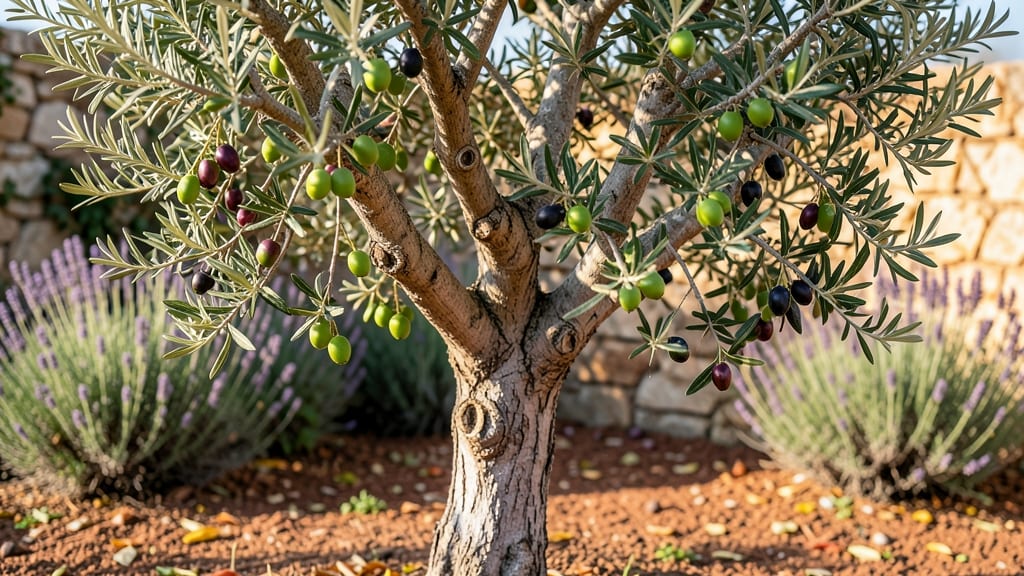
Understanding the olive tree fruit stages 🫒 is the difference between a sparse harvest and a bountiful one—because what you don’t see in those first few months determines what you’ll pick in autumn.
Picture this: your tree bursts into white blossoms in spring, only for most of them to fall off before fruit even forms. That’s not failure—it’s nature’s way of telling you the tree is adjusting.
But knowing why it happens (and how to nudge it toward success) is where the real magic lies.
From the moment those tiny green olives appear to their final ripening, each stage demands different care. Too much water now? You’ll trigger early drop. Skip the pruning? You’ll choke next year’s crop.
I’ve seen gardeners miss these cues and lose half their potential yield—but with the right timing, you can turn that frustration into a consistent harvest.
Here’s the step-by-step breakdown of what’s happening in your olive tree year-round, the visual cues to watch for, and the pro tips to keep your fruit thriving—no guesswork, just results.
Olive tree fruit development stages: flowering to early fruit set explained
Understanding the early stages of olive fruit development is essential for maximizing your tree’s yield. The first three critical phases—flowering, fruit set, and pit hardening—set the foundation for healthy olives.
Each stage requires specific care to ensure success, from temperature control to proper watering and pruning techniques.
Olive trees typically bloom in late spring to early summer, with tiny white flowers appearing in clusters. These flowers are highly sensitive to environmental conditions, particularly temperature fluctuations and humidity levels.
For optimal pollination, aim for daytime temperatures between 70-85°F and avoid sudden drops below 55°F, which can cause flower drop.
| Stage | Key Characteristics | Critical Factors | Visual Cues |
|---|---|---|---|
| Flowering | White flowers in clusters; lasts 2-3 weeks | Temperature: 70-85°F; Pollinators: Bees | ✅ Tiny buds open; fragrant scent |
| Fruit Set | Green olives form; 4-6 weeks post-flowering | Water: Consistent moisture; Pruning: Light thinning | 🟢 Small, pea-sized fruit; firm texture |
| Pit Hardening | Pit inside fruit firms; 6-8 weeks post-set | Nutrients: Balanced fertilizer; Stress: Avoid overwatering | 🪴 Fruit swells; pit feels solid when squeezed |
During the flowering stage, olive trees rely on pollinators like bees to transfer pollen between flowers. To support this process, avoid using pesticides that harm beneficial insects.
If your tree is in a low-pollinator area, consider hand-pollinating by gently shaking branches to release pollen during peak bloom hours (typically 10 AM to 2 PM).
Once flowers pollinate, they develop into tiny green olives during the fruit set stage, which occurs 4-6 weeks post-bloom. This phase is critical for determining your tree’s final yield.
Healthy fruit will appear uniform in size and firm to the touch, while failing fruit may appear shrunken or discolored. If you notice excessive fruit drop during this stage, it could signal nutrient deficiencies or water stress.
To support fruit set, apply a balanced fertilizer (e.g., 8-4-8 NPK ratio) and maintain consistent soil moisture. Avoid overwatering, as soggy soil can lead to root rot and further fruit loss.
Prune lightly to improve air circulation, reducing the risk of fungal diseases like peacock spot, which can cause premature fruit drop.
The pit hardening stage begins when the olive’s inner pit starts to firm up, typically 6-8 weeks after fruit set. This phase is less visible but crucial for developing strong, oil-rich fruit.
Monitor your tree for signs of nutritional stress, such as yellowing leaves or stunted growth, which can weaken pit development. Apply a low-nitrogen fertilizer to encourage fruit maturation without promoting excessive foliage growth.
Environmental factors like temperature extremes and wind exposure can disrupt pit hardening. If your region experiences sudden heatwaves or cold snaps, provide shade cloth or windbreaks to protect developing fruit. Mulch around the tree’s base to regulate soil temperature and retain moisture, which supports steady fruit development.
Identifying healthy vs. failing fruit is key during these stages. Healthy olives will grow gradually in size and maintain a vibrant green color. Failing fruit may appear wrinkled, brown, or detached from the branch.
If you observe widespread fruit drop, check for pest infestations (e.g., olive fruit fly) or disease symptoms like mold or lesions. Address issues promptly to salvage your crop.
Pruning plays a subtle but vital role in early fruit development. Avoid heavy pruning during flowering, as it can stress the tree and reduce fruit set. Instead, focus on light thinning to remove crowded branches and improve airflow.
This encourages stronger fruit growth and reduces competition for nutrients between branches and developing olives.
By understanding these three stages and their specific needs, you’ll set your olive tree up for a successful harvest. Pay close attention to visual cues, adjust care practices as needed, and enjoy watching your tree transform from blossoms to plump, oil-rich olives ready for picking!
Year-by-year olive fruit growth timeline: when to expect harvest-ready fruit
Olive fruit development is a multi-year process that begins with tiny blossoms and ends with oil-rich olives. Unlike many fruits, olives take 12 to 24 months to fully mature, depending on your climate zone and variety.
In Mediterranean regions, fruit ripens faster due to ideal temperature and sunlight, while US growers in Zone 9b may see slightly delayed maturation. Understanding this timeline helps you anticipate harvests and avoid common pitfalls that stall growth.
Most olive varieties follow a biennial bearing pattern, meaning heavy fruit production one year followed by a lighter crop the next. This natural cycle is influenced by nutrient reserves and environmental stress.
For example, a drought year might push your tree to prioritize survival over fruit production. By recognizing these patterns, you can adjust your watering and fertilization to support consistent yields over time.
- Month 6-9: Pit Hardening – Olives grow from pea-sized to marble-sized as the pit inside solidifies. Look for greenish-yellow skin and a firm texture.
- Year 1: Early Maturation – Fruit turns purplish-green and may drop if water-stressed. Prune lightly to reduce competition for nutrients.
- Year 1.5-2: Full Ripening – Olives darken to black/purple and soften slightly. Harvest when they detach easily from branches.
- Year 2+: Peak Oil Content – Fully mature olives are plump and dark, with maximum flavor and oil. Ideal for curing or pressing.
One of the biggest mistakes growers make is overwatering during pit hardening (Months 6-9). Excess moisture can cause fruit splitting or disease pressure like olive knot. Instead, water deeply every 10-14 days and monitor soil moisture.
In US Zone 9b, where summers are intense, mulch heavily to retain moisture without suffocating roots. This balance is critical for avoiding premature fruit drop in late summer.
To accelerate ripening naturally, focus on late-summer pruning (August-September) to improve airflow and sunlight penetration. Remove water sprouts and dense growth that shade the fruit. Additionally, apply a balanced fertilizer (8-4-8 NPK) in early fall to boost root energy storage for next year’s crop.
Avoid high-nitrogen fertilizers, which promote leafy growth at the expense of fruit development.
Regional differences play a huge role in timing. In California’s coastal zones, olives may ripen by October-November, while inland areas or higher elevations might delay harvest until December-January.
Pay attention to your tree’s local microclimate: trees in sheltered spots with afternoon shade may mature slower than those in full sun. Use a harvest calendar to track color changes and fruit firmness weekly.
If your olives aren’t ripening on schedule, check for nutrient deficiencies (yellow leaves = nitrogen; brown spots = potassium). A soil test can reveal imbalances. For slow-maturing varieties like Arbequina, consider hand-pollination if your area has poor bee activity.
With patience and the right care, your olive tree will reward you with years of bountiful harvests. 🌿