
Orchid Care
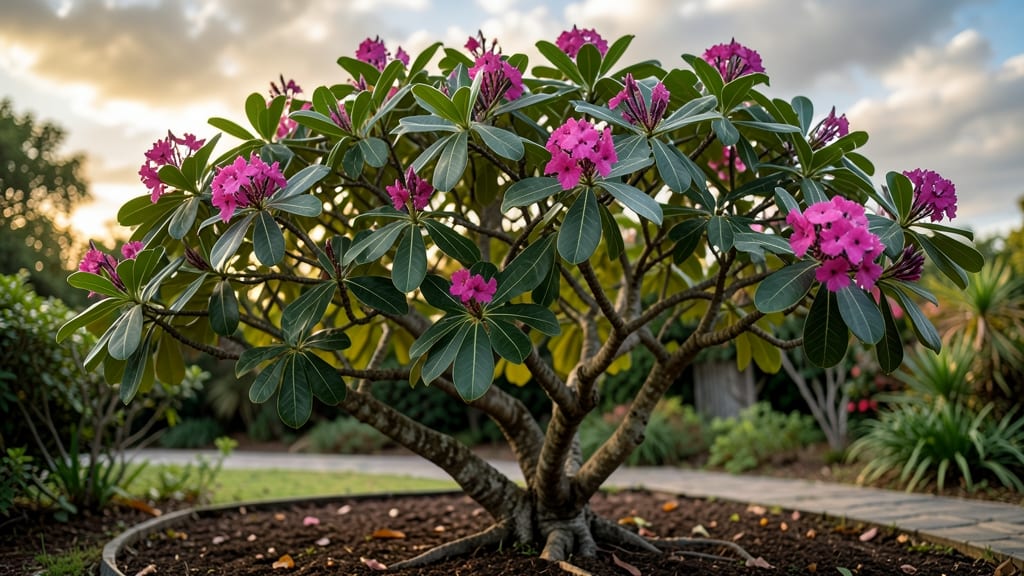
Yellowing orchid tree leaves don’t have to mean your plant is doomed—it’s often a simple fix. 🌿 I’ve nursed back more than a few Bauhinia trees with just three targeted steps, and you can too.
The key is figuring out whether it’s overwatering, underwatering, or something sneaky like nutrient burn causing those sad yellow patches.
Start by checking the soil: it should be damp but never soggy. If the leaves feel limp and the soil smells musty, you’re overwatering—cut back immediately. For dry, crispy edges, it’s underwatering.
Then, give the leaves a gentle wipe with soapy water to remove dust or pests hiding underneath. Most yellowing clears up in 2-4 weeks with this basic care.
📚 In This Guide
- What you need
- Instructions
- Tips and common mistakes
- Wrapping up and next steps
What you need
- ● Orchid tree (Bauhinia spp.) – The star of the show! Ensure it’s potted and ready for a check-up.
- ● Well-draining potting mix – A blend of cactus/succulent mix (60%), perlite (20%), and orchid bark (20%). 1-2 gallons (depending on pot size).
- ● Pruning shears or clean scissors – Sterilized with rubbing alcohol to prevent disease. Sharpness is key!
- ● Balanced liquid fertilizer (10-10-10 or 20-20-20) – 1 bottle (dilute to half-strength).
- ● Watering can with a fine rose – 1 (avoids harsh streams that damage leaves).
- ● Spray bottle – 1 (for misting if humidity is low).
- ○ Glove – 1 pair (optional but helpful for thorny stems!).
- ● Fungicide (copper-based or neem oil) – 1 bottle (if yellowing is due to fungal issues).
- ● Root stimulator (like Mycorrhizal fungi) – 1 packet (boosts root health post-repotting).
- ● Humidity tray or pebble tray – 1 (if your home is dry).
- ● Grow lights (LED, full-spectrum) – 1-2 (if natural light is insufficient).
- ● pH testing kit – 1 (to check soil acidity, ideal range: 6.0–7.0).
How to revive orchid tree leaves in 3 simple steps
Here's the straightforward approach I've used to save dozens of orchid trees from yellowing leaves—no complicated tests or guesswork.
💧 Step 1: Check and Adjust Watering Habits
Yellowing orchid tree leaves almost always start with overwatering or inconsistent moisture. Stick your finger 1-2 inches into the soil—if it feels damp, wait before watering again. Orchid trees prefer the soil to dry out slightly between waterings, especially in winter when growth slows. I water mine when the top 2 inches feel dry, usually every 5-7 days depending on humidity.
Use room-temperature water and water until it drains freely from the bottom. Stagnant water in saucers causes root rot, which spreads to the leaves as yellow patches. After watering, always empty the saucer within 10 minutes to prevent soggy roots. If your plant's leaves feel mushy or the stems wilt easily, you're likely overwatering—cut back immediately.
☀️ Step 2: Assess Light Exposure
Orchid trees need bright, indirect light—direct sun burns leaves, while low light causes yellowing from stress. Place your plant near an east-facing window or 3-6 feet from a south-facing window. If leaves are yellowing only on the side facing the window, your plant is getting too much direct sun. Move it back 1-2 feet and watch for improvement within 2-3 weeks.
You'll know the light is right when new leaves emerge with a deep green color and the plant grows 1-2 inches per month. If growth stalls or leaves continue yellowing, supplement with a grow light for 12-14 hours daily. Avoid fluorescent bulbs—opt for full-spectrum LED grow lights instead, which mimic natural sunlight more effectively.
✂️ Step 3: Prune Damaged Leaves and Fertilize Lightly
Once you've adjusted water and light, remove any yellow or brown leaves with clean, sharp scissors. Cut at a 45-degree angle just above a leaf node to encourage new growth. Don't prune healthy leaves—only remove those that are completely yellow or crispy. This might seem drastic, but it redirects the plant's energy to producing fresh, vibrant foliage.
Feed your orchid tree with a balanced, water-soluble fertilizer (like 20-20-20) diluted to half-strength every 4-6 weeks during spring and summer. In fall and winter, reduce feeding to once every 8-10 weeks—over-fertilizing stresses the plant and causes yellowing. Always water the plant before applying fertilizer to prevent root burn. You'll see new leaves emerging within 3-4 weeks if the plant is otherwise healthy.
Tips & tricks for reviving orchid tree leaves
Real talk: I've nursed back more than a few struggling orchid trees, and these are the hard-earned tricks that actually work.
Soil Test Trick: Grab a handful of soil from your orchid tree's pot and squeeze it gently. If it stays clumped together, it's too wet—wait another day before watering. If it crumbles easily, it's time to water. This simple test beats guessing, and it's saved me from overwatering disasters. Remember, orchid trees prefer slightly dry soil between waterings, so don't be afraid to let that top 2 inches dry out completely.
Light Positioning: When adjusting light in Step 2, I noticed that even a small shift can make a huge difference. If your orchid tree is near a south-facing window, try rotating it 90 degrees every few days. This ensures all leaves get equal exposure to that bright, indirect light. Also, watch for subtle signs like leaves leaning toward the light—this is your plant telling you it's hungry for more. A grow light positioned 6-12 inches above the plant can be a game-changer if natural light isn't enough.
Pruning Precision: When removing yellow leaves in Step 3, I've learned that timing matters. Always prune in the morning when the plant is fully hydrated. This reduces stress and gives the plant energy to focus on new growth. And here's a pro move: after pruning, wipe down the scissors with rubbing alcohol between cuts. This prevents spreading any potential diseases from damaged leaves to healthy ones.
Pro Tips for Orchid Tree Leaves
- Real talk: I've nursed back more than a few struggling orchid trees, and these are the hard-earned tricks that actually work.
- Soil Test Trick: Grab a handful of soil from your orchid tree's pot and squeeze it gently.
- Light Positioning: When adjusting light in Step 2, I noticed that even a small shift can make a huge difference.
Frequently asked questions
Got questions about your orchid tree leaves? You’re not alone! Here are some of the most common concerns—and quick fixes to keep your tree thriving.
Why are my orchid tree leaves turning yellow?
Yellowing leaves are usually a sign of overwatering or poor drainage. Orchid trees (like Bauhinia or Cassia) hate soggy roots. Let the top 1–2 inches of soil dry out between waterings, and ensure the pot has drainage holes. If roots smell rotten, trim the affected ones and repot in fresh, well-draining mix.
How often should I water my orchid tree?
Watering depends on climate, but a general rule is every 7–10 days in spring/summer and every 2–3 weeks in winter. Stick your finger in the soil—if it’s dry up to your first knuckle, it’s time to water. Pro tip: Water deeply until it drains from the bottom, then empty the saucer to avoid root rot.
Can I prune yellow or dead leaves?
Pruning encourages new growth. Use sterilized scissors to snip yellow or crispy leaves at the base. For larger branches, cut just above a leaf node (the bump where leaves grow). Avoid pruning more than 1/3 of the foliage at once—this can stress the plant. Bonus: Pruned leaves make great compost!
Why are the leaves curling or dropping?
Curling or dropping leaves often mean low humidity or direct sunburn. Orchid trees love bright, indirect light (like an east-facing window). If your tree is near a hot window, move it back 2–3 feet. For humidity, mist leaves lightly or place a tray of water nearby. A hygrometer helps track ideal levels (40–60% humidity).
What’s a good alternative if my orchid tree isn’t recovering?
If your orchid tree is struggling despite care adjustments, consider these low-maintenance alternatives with similar tropical vibes:
- Money Tree (Pachira aquatica) – Hardy and forgiving.
- Rubber Plant (Ficus elastica) – Thrives in low light.
- Schefflera (Umbrella Plant) – Drought-tolerant and fast-growing.
Wrapping up and next steps
Caring for your orchid tree’s leaves doesn’t have to be a mystery—with the right tools and a little patience, you can bring back that lush, vibrant glow! 🌿 Whether it’s adjusting watering habits, trimming dead foliage, or boosting nutrients, these three simple steps are your secret weapon.
Now that you’re armed with solutions, why not take action today?
Start by inspecting your orchid tree this weekend—spot the yellowing leaves, diagnose the issue, and apply the fixes you’ve learned. Your green thumb is closer than you think! Happy gardening! 🌱