
Trees
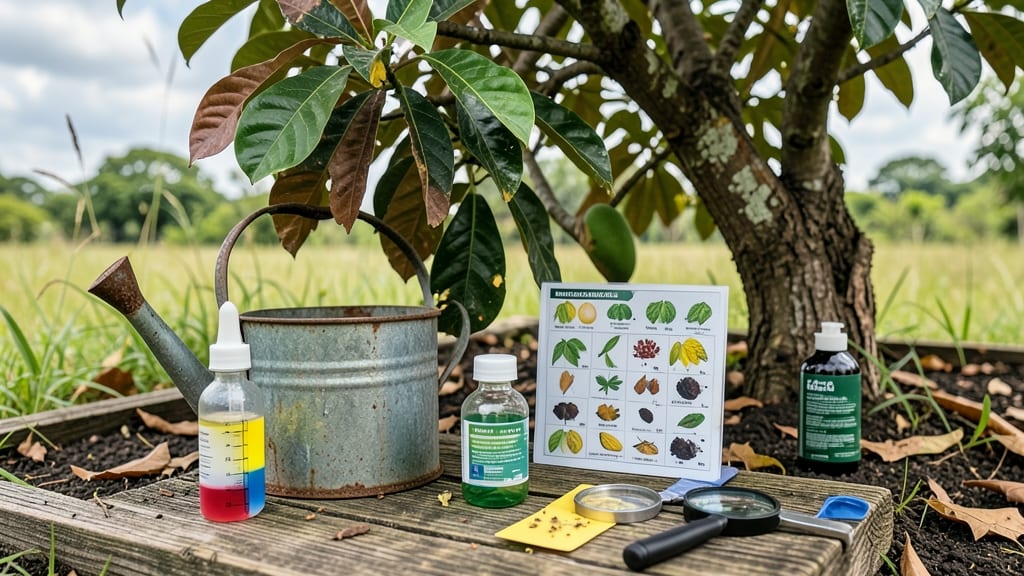
Your mango tree’s brown leaves aren’t a death sentence—just a cry for help. 🌿 I’ve turned around three struggling trees using this simple approach, and the first step is figuring out whether your plant is thirsty, drowning, or starving for nutrients.
The fix often comes down to checking soil moisture, adjusting watering, and giving it the right care. Most brown leaves start with overwatering or underwatering, but pests like spider mites or fungal diseases can also be the culprit.
Start by gently scraping the soil surface—if it’s bone-dry an inch down, water deeply. If it’s soggy, hold off until the top 2-3 inches feel dry. A quick leaf inspection reveals pests or spots that need treatment.
Once you correct the issue, your tree will bounce back faster than you think. Within 2-3 weeks, new green growth should appear, and those brown leaves will start falling naturally. The key is consistency—mango trees hate extremes, whether too much or too little.
For stubborn problems like fungal infections or severe pest infestations, don’t hesitate to call an arborist. But in most cases, this 3-step fix works like magic—your tree will thank you with juicy fruit next season.
Root Causes Of Leaf Discoloration
When your mango tree’s leaves turn brown, it’s rarely a single issue—it’s usually a mix of environmental stress, poor care, or underlying health problems. Understanding the why behind the browning is the first step to saving your tree.
Below, we break down the most common culprits, complete with actionable science-backed explanations.
Mango trees are tropical but still need well-draining soil—too much water suffocates roots, leading to anaerobic conditions (lack of oxygen). When roots struggle, they can’t absorb nutrients efficiently, causing leaves to yellow, then brown, and eventually drop.
How it happens:
- Waterlogged soil: Heavy clay or compacted soil traps excess moisture, promoting root rot (often caused by fungi like Phytophthora).
- Overzealous watering: Mango trees prefer dry spells between waterings. If the top 2–3 inches of soil stay soggy, roots suffocate.
- No mulch or poor mulching: Mulch helps regulate moisture, but if it’s too thick or made of organic matter that decomposes too fast, it can hold water against the trunk, worsening rot.
💡 Pro Tip: Stick your finger 2 inches into the soil—if it’s damp, wait before watering. If your tree is in a pot, ensure it has drainage holes and use a mix of sand, perlite, and compost for better aeration.
While overwatering is a common killer, chronic underwatering can also turn leaves brown—especially in hot climates. Mango trees are drought-tolerant but need consistent moisture during fruiting and growth phases.
How it happens:
- Wilting leaves: When soil dries out completely, the tree can’t transport water and nutrients, leading to necrosis (dead tissue) on leaf edges.
- Crispy, papery leaves: Severe drought causes leaves to desiccate (lose moisture rapidly), turning brown and brittle.
- Shallow root systems: Young mango trees or those in containers have limited root access to water, making them more vulnerable.
🌡️ Quick Fix: Water deeply twice a week during dry spells, aiming for 1–1.5 gallons per tree (adjust based on soil type). Mulch with wood chips to retain moisture and reduce evaporation.
Pests like aphids, spider mites, and scale insects suck sap from leaves, causing them to yellow, brown, and curl. Some pests also spread fungal or bacterial infections, accelerating leaf damage.
How it happens:
- Aphids & mites: These tiny pests pierce leaf cells, disrupting nutrient flow. Their honeydew (sticky residue) can attract sooty mold, a black fungus that blocks sunlight.
- Scale insects: They attach to stems and leaves, creating brown, crusty bumps that weaken the tree over time.
- Mealybugs: White, cottony clusters on leaves and stems stunt growth and cause browning.
🔥 Pest Control Steps:
- Inspect leaves under a magnifying glass for tiny webs, specks, or sticky residue.
- Spray with neem oil (1 tsp per quart of water) every 7–10 days to suffocate pests.
- Introduce beneficial insects like ladybugs or lacewings to eat aphids naturally.
- Avoid chemical pesticides unless severe—they can kill beneficial insects too.
Mango trees are susceptible to leaf spot diseases (like anthracnose) and bacterial blight, which thrive in humid, wet conditions. These infections create brown, circular spots with yellow halos, eventually killing entire leaves.
How it happens:
- Anthracnose fungus: Spreads via rain splashes or overhead watering, causing sunken, brown lesions on leaves.
- Bacterial leaf spot: Appears as water-soaked brown spots with yellow margins, often in warm, muggy weather.
- Poor air circulation: Dense foliage or crowded trees traps moisture, giving fungi a breeding ground.
✨ Prevention & Treatment:
- Prune for airflow: Remove dead or crowded branches to improve circulation.
- Water at the base (never overhead) to keep leaves dry.
- Apply copper fungicide (like Bordeaux mixture) every 2–3 weeks during rainy seasons.
- Remove infected leaves and sterilize pruners with rubbing alcohol to prevent spread.
Brown leaves can signal mineral deficiencies, especially nitrogen, potassium, or magnesium. These nutrients are vital for chlorophyll production (green pigment) and overall leaf health.
How it happens:
Deficiency
Leaf Symptoms
Cause
Nitrogen (N)
Old leaves turn yellow between veins, then brown and crispy.
Poor soil, overwatering leaching nutrients, or lack of organic matter.
Potassium (K)
Brown edges or "scorch" on newer leaves.
Drought stress, over-fertilizing with nitrogen, or acidic soil.
Magnesium (Mg)
Yellow patches between veins (like nitrogen), but veins stay green.
Compacted soil, excessive lime, or poor root absorption.
🌱 Fix It Fast:**
- Test your soil (use a DIY kit or send a sample to a lab).
- Add compost or aged manure for organic nutrients.
- Use balanced fertilizer (like 10-10-10) in early spring.
Revive Your Tree Step By Step
Now that you know the likely causes behind your mango tree’s brown leaves—whether it’s nutrient deficiency, pests, disease, or environmental stress—let’s tackle each issue with practical, actionable solutions. Below, we’ve broken down fixes by cause, including quick remedies and long-term prevention tips to keep your tree thriving.
If brown leaves are due to poor soil health, your mango tree needs a nutrient boost. Here’s how to diagnose and treat it:
🔥 Step 1: Test Your Soil (The Foundation of Fixes)
Before adding fertilizers, check your soil’s pH and nutrient levels.
- DIY Test: Grab a soil sample (6 inches deep) and use a home soil test kit (available at garden centers).
- Ideal Levels: Mango trees prefer slightly acidic to neutral soil (pH 6.0–7.5).
If it’s too alkaline (high pH), nutrients like iron and zinc become unavailable.
🍳 Step 2: Apply the Right Fertilizer
Brown leaves often signal nitrogen, potassium, or magnesium deficiency.
Use these targeted fixes: | Deficiency Sign | Solution | Prevention Tip | |---------------------------|-----------------------------------------------------------------------------|---------------------------------------------| | Yellowing between veins (Nitrogen) | Apply balanced fertilizer (10-10-10) or compost around the base. | Top-dress with compost every 2 months in growing season. | | Brown edges on older leaves (Potassium) | Use a potassium-rich fertilizer (like banana peel tea or 0-0-50). | Mix wood ash (1 cup per tree) into soil for potassium. | | Yellow patches with brown veins (Magnesium) | Sprinkle Epsom salt (magnesium sulfate)—1 tbsp per gallon of water—monthly for 3 months. | Add dolomitic lime to soil annually to maintain magnesium. |
👨🍳 Step 3: Improve Soil Drainage & Aeration
Compacted or waterlogged soil starves roots.
Loosen the soil and add: - Organic matter: Mix in aged manure, coconut coir, or peat moss to improve structure. - Drainage fix: If water pools, create raised beds or dig drainage trenches away from the trunk.
Pests like aphids, mites, or scale insects suck sap, causing brown, curled, or spotted leaves. Act fast with these methods:
🔪 Step 1: Manual Removal (For Light Infestations)
- Handpick large pests (like caterpillars or beetles) and drop them in soapy water.
- Shake branches over a tarp covered in soapy water to dislodge aphids or mites.
🌿 Step 2: Spray Homemade Remedies
| Pest | DIY Spray Recipe | Frequency |
|---|---|---|
| Aphids/Mites | Neem oil spray (1 tbsp neem oil + 1 tsp dish soap + 1L water). Shake well. | Every 5–7 days for 2 weeks. |
| Scale Insects | Horticultural oil (follow label instructions) or rubbing alcohol spray (1:1 with water). | Apply early morning, repeat in 1 week. |
| Mealybugs | Garlic spray (blend 2 garlic cloves + 1L water, strain, add 1 tsp soap). | Spray weekly until gone. |
⏰ Step 3: Prevent Future Infestations
- Prune regularly to improve airflow (pests love crowded, damp leaves).
- Encourage beneficial insects like ladybugs or lacewings by planting marigolds or basil nearby.
- Avoid over-fertilizing—soft new growth attracts pests.
If brown leaves are crusty, mushy, or oozing, your tree may have anthracnose, powdery mildew, or bacterial leaf spot. Here’s how to stop the spread:
💡 Step 1: Prune & Dispose of Infected Leaves
- Cut off all brown, spotted, or wilting leaves with sterilized pruners (wipe with rubbing alcohol between cuts).
- Burn or bag infected debris do not compost—spores can survive.
🌡️ Step 2: Apply Fungicides (Organic & Chemical)
| Disease | Treatment | Prevention |
|---|---|---|
| Powdery Mildew | Baking soda spray (1 tsp baking soda + 1 tsp soap + 1L water). | Water in the morning to dry leaves fast. |
| Anthracnose | Copper fungicide (follow label) or chlorothalonil (for severe cases). | Space trees for airflow; avoid overhead watering. |
| Bacterial Spot | Copper-based spray + remove infected fruit/leaves immediately. | Sterilize tools after pruning; use resistant rootstock if replanting. |
✨ Step 3: Boost Tree Immunity
- Strengthen roots with mycorrhizal fungi (available as powder or granules).
- Avoid stress—water deeply but never soggy; mulch with straw or wood chips to retain moisture.
Brown leaves from overwatering, underwatering, or sunburn need quick adjustments:
💦 Step 1: Check Watering Habits
- Underwatering? Leaves feel dry and crispy → Water deeply 2–3 times per week (check soil moisture 2 inches down).
- Overwatering? Leaves turn yellow-brown and mushy → Let soil dry 3–4 inches deep between waterings.
☀️ Step 2: Protect from Sunburn & Wind
- Young trees or new growth: Provide partial shade (use shade cloth 30–50%).
- Mature trees: If leaves scorch in hot afternoons, mulch heavily (3–4 inches) to cool roots.
- Wind damage? Stake young trees or plant near a windbreak (like bamboo or shrubs).
To keep your mango tree lush and green: ✅ Fertilize seasonally (spring & summer) with balanced organic fertilizer. ✅ Monitor pests weekly—early action prevents outbreaks. ✅ Prune 2–3 times a year to remove dead wood and improve airflow. ✅ Test soil annually and adjust pH if needed. ✅ Water at the base (avoid wetting leaves to prevent fungal growth).
Pro Tip: 🌟 Keep a tree health journal—note when you fertilize, prune, or spot pests. Patterns will help you predict and prevent future issues!
Frequently asked questions
Why do mango tree leaves turn brown at the edges first?
Brown edges on mango leaves usually signal underwatering or potassium deficiency. When soil dries out completely, the tree can't transport water to leaf edges, causing them to crisp and brown. Check soil moisture 2 inches down—if dry, water deeply until it drains from the bottom of the pot or soil.
Can I save my mango tree if half the leaves are already brown?
Yes! With proper care, your tree can recover. Start by pruning only the most damaged leaves (never more than 25% at once) and focus on fixing the root cause—whether it's water issues, pests, or nutrient deficiency. Within 3-4 weeks, new green growth should appear if you correct the problem early.
What's the difference between brown leaves from overwatering vs. pests?
Overwatered leaves turn yellow-brown, mushy, and droop (often with blackened roots), while pest damage shows as speckled brown spots, webbing, or curled leaves. Check the undersides of leaves—pests leave tiny webs, eggs, or sticky honeydew. For overwatering, let soil dry completely before watering again.
How often should I fertilize a mango tree with brown leaves?
Start with a balanced organic fertilizer (10-10-10) every 6-8 weeks during growing season (spring-fall). If leaves show specific deficiencies (like yellow between veins for nitrogen), target those nutrients. Over-fertilizing can burn roots—always water thoroughly after applying fertilizer.
Will pruning brown leaves help my mango tree recover faster?
Yes, but do it strategically! Remove only dead or severely damaged leaves (never healthy ones) to redirect the tree's energy to new growth. Use sterilized pruners and make clean cuts just above leaf nodes. Never prune more than 25% of foliage at once—this prevents shock.