
Pruning
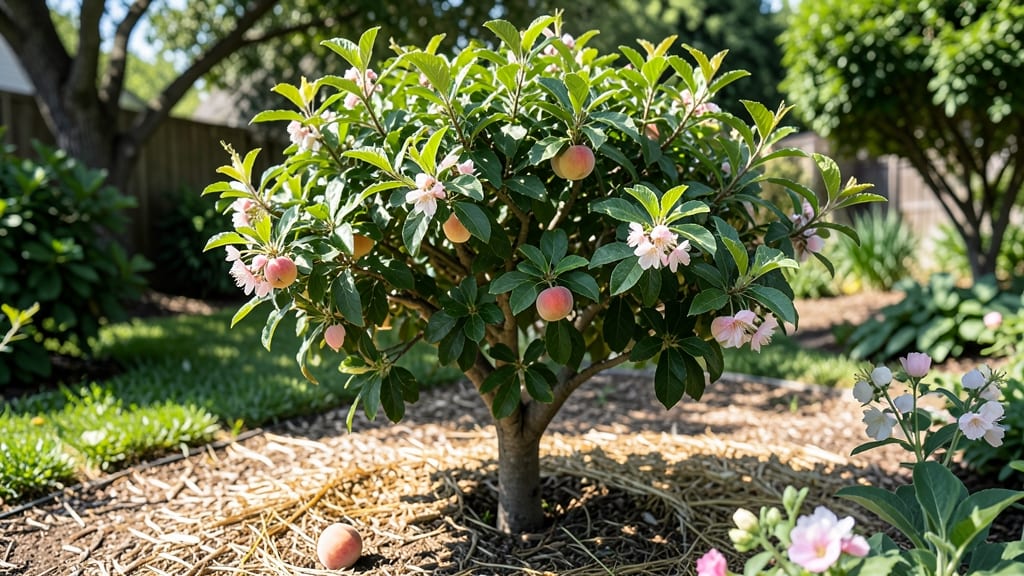
Caring for a patio peach tree means sweet rewards with just a little extra attention. 🌱 The secret to those juicy summer fruits isn't magic—it's smart pruning, consistent watering, and knowing when to step back and let nature do its work.
My dwarf peach tree now produces enough fruit for fresh eating and preserves, all while staying small enough for my balcony. The key is year-round pruning that balances fruit production and tree health.
You'll shape the tree in winter, encourage blooms in early spring, and thin fruit in summer to avoid overburdening branches. Even in containers, these trees thrive when given the right mix of sunlight, soil, and seasonal care.
By summer's end, you'll be harvesting peaches that taste better than anything from the store. The tree stays compact, the fruit stays sweet, and you avoid the most common pitfalls like brown rot or weak branches.
It's the perfect small-space fruit tree for anyone willing to put in a little seasonal effort. Works for both ground-planted and container-grown varieties, so you can grow peaches whether you have a yard or just a sunny patio corner.
Let's get started with the care routine that makes it all possible!
📚 In This Guide
- What you need
- Instructions
- Tips and common mistakes
- Wrapping up and next steps
What you need
- ● Pruning shears: Bypass pruners (sharp, clean, and sterilized with rubbing alcohol between cuts) – 1 pair (for small branches).
- ● Loppers: Heavy-duty loppers (for thicker branches, 1/4" to 3/4" diameter) – 1 pair.
- ● Pruning saw: Curved-tooth saw (for branches 1" or larger) – 1.
- ● Gloves: Heavy-duty gardening gloves (cut-resistant, long sleeves recommended) – 1 pair.
- ○ Pruning sealant: Tree wound sealant (optional but helpful for large cuts to prevent disease) – small jar.
- ● Disinfectant: Rubbing alcohol (70% isopropyl) or bleach solution (1 part bleach to 9 parts water) – small bottle.
- ● Bucket or bag: For collecting pruned branches – 1.
- ● Sturdy ladder (if needed): Extendable ladder (for tall trees, 24"+ height) – 1.
- ● Hand pruners: Compact pruners for precision trimming – 1 pair.
- ● Tree tie or twine: For supporting young branches – small roll.
- ● Fertilizer: Balanced fruit tree fertilizer (10-10-10 or similar) – small bag.
- ● Mulch: Organic mulch (wood chips or straw) – 2-3 inches depth.
- ● Spray bottle: For watering small cuts or applying sealant – 1.
- ● Notebook & pen: To track pruning notes (dates, cuts made, etc.) – 1.
Step-by-Step pruning guide for your patio peach tree
Here's how I keep my patio peach tree thriving—with simple, seasonal pruning that boosts fruit and keeps it compact.
✂️ Step 1: Prune for Structure in Late Winter
Wait until late winter when the tree is still dormant but the first buds show color. This is the best time to shape your patio peach tree—you'll see fresh, clean cuts heal faster than in cold or hot weather. Start by removing any dead, diseased, or crossing branches first. These are easy to spot—they're brown inside when you cut them open, or they rub against other branches.
Next, focus on thinning the center. Peach trees need good airflow to prevent fungal diseases. Cut back branches that grow inward at a 45-degree angle, just above an outward-facing bud. Remember, you're aiming for an open vase shape that lets sunlight reach all sides of the tree. I like to step back every few cuts and imagine sunlight pouring in—this helps me see where to make adjustments.
☀️ Step 2: Light Summer Pruning After Harvest
About 6-8 weeks after harvest, when the tree has recovered from fruiting, do a light pruning to encourage next year's crop. Look for suckers—those vigorous shoots growing from the base or trunk. These compete with fruit production, so cut them off at the base with clean shears. You'll also find watersprouts—tall, vertical shoots growing straight up. These should be removed too, as they drain energy from fruit production.
Now focus on fruit wood. Last year's branches (they're thicker and have fruit scars) should keep about 3-5 buds per branch. Thin these branches to leave space between them—6-8 inches apart is ideal. This prevents overcrowding and helps each fruit get enough sunlight to ripen properly. I always prune on a dry morning so the cuts have time to dry before evening dew sets in.
⏰ Step 3: Summer Maintenance for Airflow and Light
Throughout the growing season, do light maintenance pruning every 4-6 weeks. This isn't about big cuts—just keeping the tree tidy. Remove any branches that are growing too close together or rubbing against each other. You'll also spot dieback—branches that suddenly turn brown and die back. Cut these out immediately to prevent disease from spreading.
Here's the thing—peach trees are sensitive to heavy pruning in summer. If you must make larger cuts, do it early in the morning when the tree is well-watered. Make cuts just above a leaf bud or branch collar, and always use sharp, clean pruners. Ragged cuts invite pests and diseases, and peach trees are particularly susceptible to bacterial infections through open wounds.
🌱 Step 4: Final Pruning in Early Fall
About 6 weeks before your first frost, do a final light pruning to prepare the tree for winter. Remove any shoots that grew too vigorously this season—they'll be the weakest and most likely to suffer in cold weather. Also, look for thin, weak branches that didn't produce much fruit. These are candidates for removal, as they're not contributing much to next year's harvest.
This is also when I thin out some of the fruit if the tree set too many peaches. Leave about 1 peach every 6-8 inches along the branch. You'll see them as small, round swellings where last year's blossoms were. This might seem counterintuitive—why remove fruit?—but it ensures the remaining peaches get enough nutrients to grow large and sweet. Plus, it reduces the risk of branches breaking under the weight of too many fruits.
✂️ Step 5: Sanitize Tools and Monitor Year-Round
After every pruning session, clean your tools with rubbing alcohol or a 10% bleach solution. This prevents spreading diseases between cuts. I keep a small spray bottle of rubbing alcohol in my tool shed—just a quick spray between trees keeps everything sterile. Also, never compost pruned peach tree branches. They can harbor bacterial canker, which is deadly to peach trees.
Throughout the year, watch for new growth patterns. If you notice branches growing too upright, they'll need pruning next winter. Keep an eye out for peach leaf curl—a common fungal disease that causes puckered, curled leaves. If you catch it early, you can treat it with a copper fungicide spray. The key to patio peach tree care is consistent, thoughtful pruning—not just cutting willy-nilly. Your tree will reward you with years of sweet, juicy fruit when you give it the right attention.
Tips & tricks for perfect patio peach tree pruning
Here's what I've learned after years of trial and error with my own patio peach tree—these tricks make all the difference for healthy growth and sweet fruit.
Late Winter Pruning Precision: In Step 1, when you're shaping the tree, focus on creating a natural "vase" shape by removing branches that grow inward. I mark my cuts with a piece of chalk before making them—this helps me visualize the final shape. Also, always cut just above an outward-facing bud (about ¼ inch above it) to encourage new growth in the right direction. This targeted approach prevents over-thinning and keeps your tree's energy focused on fruit production.
Summer Pruning Timing Secret: The 6-8 week window after harvest in Step 2 is crucial for summer pruning. I set a reminder on my phone to check the tree then—don't wait too long, or you'll miss the opportunity to encourage next year's fruit buds. For those larger cuts you might need to make (like removing watersprouts), I use a small pruning saw for thicker branches and clean shears for thinner ones. This prevents tearing and makes cleaner cuts that heal better.
Tool Sanitization Strategy: After every pruning session in Step 5, I don't just wipe my tools—I give them a proper cleaning. I keep a small container with rubbing alcohol and a toothbrush in my tool shed. I scrub the blades thoroughly between each cut, especially when moving between different parts of the tree. This simple habit has prevented fungal infections in my peach tree that I've seen ruin other people's trees. Remember, peach trees are particularly vulnerable to bacterial canker through contaminated tools.
Fruit Thinning Visual Guide: When thinning fruit in Step 4, I look for peaches that are evenly spaced along the branch. I remove the smaller ones first, then check for sunlight exposure—each remaining peach should have access to direct sunlight for at least part of the day. I also make sure to leave some peaches near the branch tips, as these tend to ripen first and can give you an early harvest. This method ensures your tree doesn't get overloaded with too many fruits that might not ripen properly.
Pro Tips for Patio Peach Tree Care
- Here's what I've learned after years of trial and error with my own patio peach tree—these tricks make all the difference for healthy growth and sweet fruit.
- Late Winter Pruning Precision: In Step 1, when you're shaping the tree, focus on creating a natural "vase" shape by removing branches that grow inward.
- Summer Pruning Timing Secret: The 6-8 week window after harvest in Step 2 is crucial for summer pruning.
Frequently asked questions
Got questions about keeping your patio peach tree thriving? Here are some of the most common concerns—and their solutions—to help you grow fruit like a pro!
How often should I prune my patio peach tree?
Prune your patio peach tree twice a year: once in late winter (before buds swell) to shape the tree and remove dead wood, and again in summer (after harvest) to thin out crowded branches. Avoid heavy pruning in fall—it can stress the tree before winter. For container-grown trees, follow the same schedule but be extra gentle to avoid root damage.
Can I prune a peach tree in winter?
Yes, but only in late winter (just before spring growth begins). Pruning too early in winter can leave cuts vulnerable to frost damage or disease. If your area has harsh winters, wait until after the last frost date to prune. For patio trees in pots, move them to a sheltered spot before pruning to protect them from cold winds.
Why aren’t my peach tree’s fruits growing well?
Poor fruit production often stems from overcrowded branches or lack of sunlight. Thin out branches during summer pruning to improve airflow, and ensure your tree gets at least 6–8 hours of direct sunlight daily. Also check for pests (like aphids) or nutrient deficiencies—feed with a balanced fruit-tree fertilizer in early spring if needed.
Is it okay to prune a peach tree heavily?
No—peach trees are sensitive to over-pruning. Never remove more than 25% of the tree’s foliage in a single session, or you risk stunting growth or reducing next year’s fruit. Focus on selective pruning: remove dead wood, water sprouts, and crossing branches while preserving the tree’s natural shape. For patio trees, less is often more!
Can I grow a peach tree in a container long-term?
Yes, but choose a large pot (at least 20 gallons) with drainage holes and use well-draining soil. Container trees need more frequent watering and may require winter protection (like moving indoors or wrapping the pot in burlap). Prune roots gently every 2–3 years to prevent circling. Dwarf varieties like ‘Bonanza’ are ideal for patio growing!
Wrapping up and next steps
Caring for your patio peach tree is a rewarding journey that blends patience, skill, and a little love! With the right year-round pruning techniques, you’ll enjoy healthier growth, better fruit production, and a stunning centerpiece for your outdoor space.
Remember, consistency is key—whether you’re shaping young branches or thinning out overgrowth, each snip brings you closer to a thriving tree.
Ready to take the next step? Grab your pruners, dust off your gloves, and schedule your first pruning session this season. Your future harvest—and your patio’s beauty—will thank you! 🌱✂️