
Pruning
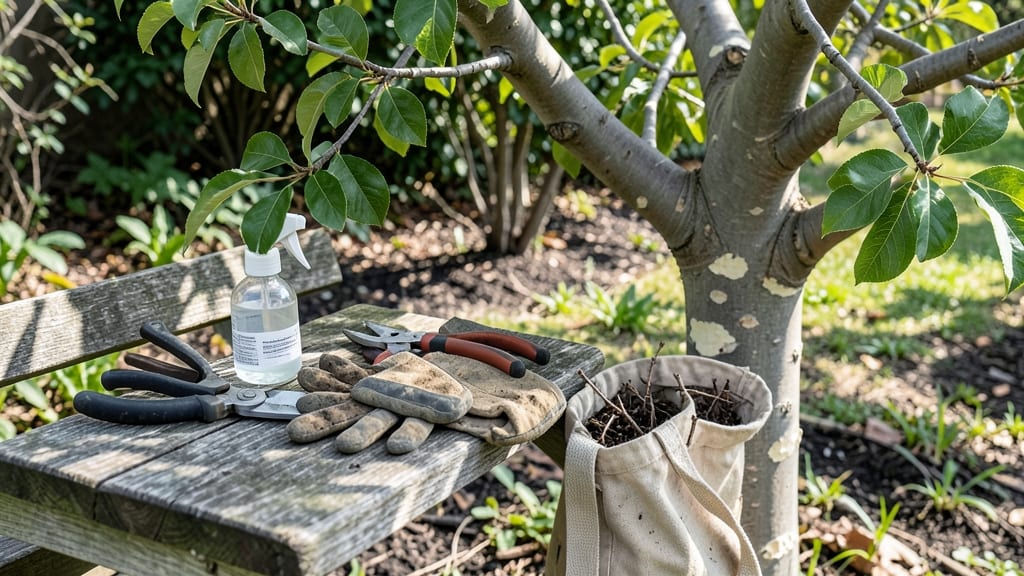
Pruning a peach tree in Texas isn’t just about shaping—it’s about surviving our brutal summers. 🌵 I’ve pruned my tree every winter for five years, and the difference between a stressed, sparse canopy and a thriving, drought-resistant shape comes down to timing, cuts, and knowing when to stop.
The key is pruning in late winter (February) when the tree is dormant but before spring growth kicks in. Texas heat means you’ll want an open center that lets airflow circulate—this prevents fungal diseases like brown rot that thrive in our humidity.
Use sharp loppers or a pruning saw to make clean cuts just above outward-facing buds, and avoid heavy pruning in late summer when pests like peach tree borers are active.
By the time summer rolls around, your tree will have a sturdy framework that handles 100°F heat without wilting. The branches will spread sunlight evenly, and you’ll see fewer fruit drop issues. I’ve seen my peaches go from sparse to bucketfuls just by adjusting the pruning schedule and shape.
This method works for both young trees and mature ones—just scale the cuts accordingly. If you’re in West Texas, you might prune slightly later to avoid early spring freezes. Ready to transform that struggling tree into a productive powerhouse? Let’s get to it.
📚 In This Guide
- What you need
- Instructions
- Tips and common mistakes
- Wrapping up and next steps
What you need
- ● Pruning shears (bypass or anvil type) – Choose sharp, high-quality shears (e.g., Felco or Fiskars) for clean cuts. Size: 6–8-inch blades for medium branches.
- ● Loppers (for thicker branches) – Bypass loppers (8–10-inch) for branches ½–2 inches thick.
- ● Pruning saw (for large branches) – A curved-tooth saw (e.g., Bahco) for branches 2+ inches thick.
- ● Gloves (cut-resistant) – Heavy-duty gardening gloves (e.g., Mechanix or Filson) to protect hands from thorns and rough bark.
- ● Disinfectant (70% isopropyl alcohol or bleach solution) – 1 part bleach to 9 parts water to sterilize tools between cuts and prevent disease.
- ○ Rope or pruning straps (optional but helpful) – For supporting heavy branches during removal (e.g., ½-inch nylon rope).
- ● Bucket or trash bag – To collect pruned debris (avoid composting diseased wood).
- ● Ladder (if needed) – A stable, extendable ladder (e.g., 12–16 ft) for tall trees—never stand on shaky surfaces!
- ● Hand saw with bypass blade – For precision cuts on stubborn branches.
- ○ Pruning sealant (optional) – Tree wound sealant (e.g., Tanglefoot) for large cuts only if needed (controversial—research first!).
- ● Safety glasses – To shield eyes from debris or sap splashes.
- ● Notebook & pen – To sketch a pruning plan or track progress.
- ● Hose or water sprayer – For cleaning tools post-pruning or rinsing off sap.
- ● Check the weather – Prune on a cool, cloudy day (avoid Texas heatwaves—ideal temps: 50–70°F).
- ● Inspect the tree – Look for diseased, dead, or pest-infested branches before cutting.
- ● Know your tree’s age & health – Young peach trees (1–3 years) need light shaping; mature trees may need rejuvenation pruning.
- ● Wear long sleeves & closed-toe shoes – Protect against sun, thorns, and falling branches.
Step-by-Step guide to pruning peach trees in Texas
Here’s how I shape peach trees for Texas heat—keeping them healthy, productive, and drought-tolerant.
✂️ Step 1: Prune in Late Winter Before Bud Break
Start pruning 2-4 weeks before your area’s last frost date, when the tree is still dormant. This timing ensures wounds heal before pests or diseases strike. In Texas, that’s typically January or early February in most regions. I always wait until the temperature stays above 40°F during the day—cold snaps can stress freshly pruned wood.
Look for dead, diseased, or crossing branches first. These are your top priorities—remove them completely down to the trunk or a healthy lateral branch. Use clean, sharp pruners to make cuts at a 45-degree angle just outside the branch collar. This prevents water from pooling and rotting the wound.
☀️ Step 2: Open the Canopy for Airflow and Sun
Peach trees thrive in Texas heat, but they need good airflow to prevent fungal diseases like brown rot. Thin the canopy by removing 10-20% of the total branches, focusing on those growing inward or rubbing against others. You’ll see a more open, vase-like shape—this lets sunlight reach the center and reduces humidity buildup.
Don’t overdo it, though. A mature peach tree should still have 60-70% of its branches remaining. Watch for suckers (shoots growing from the base or trunk) and remove them immediately—they drain energy from fruit production.
🌱 Step 3: Shape for Drought Resistance
In Texas, drought stress is a real threat, so I prune to reduce water loss while keeping the tree’s energy focused on fruit-bearing branches. Remove weak, spindly growth—these branches use more water than they’re worth. Instead, encourage strong, outward-facing branches that angle upward at 45-60 degrees from the trunk.
If your tree has water sprouts (fast-growing vertical shoots), cut them back to a lateral branch. These shoots grow quickly but rarely produce fruit. You’ll know you’re on the right track when the tree’s structure looks balanced and upright, with no branches crowding the center.
⏰ Step 4: Clean Up and Monitor for Recovery
After pruning, sterilize your tools with rubbing alcohol to prevent spreading disease. Rake up and dispose of all clippings—don’t leave them under the tree, as they can harbor pests. Now, give the tree a deep watering to help it recover from the stress of pruning.
Watch for new growth within 2-3 weeks—this is your sign the tree is healing. If you see oozing sap at the pruning cuts, it’s normal and will dry up in a few days. Avoid pruning again until late summer (for light shaping) or early fall (for minor adjustments), but never during peak heat or fruit-setting season.
Tips & tricks for pruning peach trees in Texas
These little adjustments make all the difference when shaping your peach tree for Texas’s brutal sun and unpredictable rains.
Timing is Everything: The 2-4 week window before last frost is non-negotiable for Texas trees. I learned this the hard way—pruning too early when temps dip below 40°F stresses the tree, and wounds take forever to heal. Check your local frost dates, but remember Texas has microclimates. If you're in the Hill Country, aim for early February, while Gulf Coast areas can start in January. Always prune on a dry, sunny day when temps are above 50°F for best healing conditions.
Tool Prep Saves Time: Before you even touch the tree, sterilize your pruners with rubbing alcohol. I keep a small bottle in my tool bag and spray it between cuts on different branches. This prevents spreading fungal spores from diseased wood to healthy parts. Also, sharpen your blades regularly—dull tools tear wood instead of making clean cuts, which invites infection. A quick test: if your pruners struggle to cut through a pencil, they need sharpening.
Visual Cues for Pruning Decisions: When thinning branches in Step 2, look for these clues: branches that cross or rub against others create wounds where pests can enter, while branches growing straight up (water sprouts) steal energy from fruit production. For the 45-60 degree angle in Step 3, imagine a clock—ideal branches should angle between 9 and 11 o'clock from the trunk. This open vase shape isn't just pretty; it's what lets Texas sun dry the canopy quickly after rains, preventing fungal diseases like brown rot.
Recovery Checklist: After your deep watering in Step 4, mark your calendar for 2-3 weeks later to check for new growth. Healthy trees should show fresh green shoots at the branch tips. If you see oozing sap at cut points, don't panic—this is normal and will stop within days. What to watch for instead: if new growth appears yellow or stunted, your tree might need additional nutrients or protection from afternoon sun during recovery.
Pro Tips for Peach Tree Pruning Texas
- These little adjustments make all the difference when shaping your peach tree for Texas’s brutal sun and unpredictabl...
- Timing is Everything: The 2-4 week window before last frost is non-negotiable for Texas trees. I learned this the har...
- Tool Prep Saves Time: Before you even touch the tree, sterilize your pruners with rubbing alcohol. I keep a small bot...
Frequently asked questions
Got questions about pruning your peach tree in Texas’s scorching climate? You’re not alone! Here are answers to the most common concerns—whether you’re a first-time pruner or just want to keep your tree thriving in drought conditions.
When is the best time to prune a peach tree in Texas?
The ideal window is late winter to early spring (February–March), just before buds swell but before new growth starts. Avoid pruning during extreme heat or drought—Texas summers can stress trees, so timing matters! Pro tip: Prune after a mild rain to reduce shock.
How much should I trim off a healthy peach tree?
Remove no more than 20–25% of the tree’s canopy in one session to avoid weakening it. Focus on:
- Dead or diseased branches (cut to the branch collar).
- Crossing or rubbing branches (prune at the base).
- Suckers or water sprouts (remove entirely).
Can I prune during a drought in Texas?
Pruning during drought is risky—it increases stress and water loss. If you must prune, do it early in the day and water deeply before and after. Wait until rainfall returns or use mulch to retain moisture. Never prune in peak summer heat (June–August).
Will pruning my peach tree reduce fruit production?
Not if done correctly! Proper pruning increases fruit quality and yield by:
- Improving sunlight penetration (more energy for fruit).
- Reducing overcrowding (fewer small, poor-quality peaches).
- Encouraging larger, sweeter fruit.
How do I know if my peach tree is overpruned?
Watch for these red flags:
- Leaf yellowing or wilting (sign of stress).
- Fewer blooms or tiny fruit (energy diverted to regrowth).
- Exposed bark or dead branches (pruning cuts too close).
What’s the best tool for pruning peach trees?
Use:
- Bypass pruners (for small branches, <1-inch thick).
- Loppers (1.5–2.5 inches).
- Hand saw (thicker branches, 3+ inches).
Wrapping up and next steps
Pruning your peach tree in Texas isn’t just about shaping—it’s about strengthening your tree to thrive in the heat and drought. By following the right techniques, you’ll encourage healthier growth, better fruit production, and a stunning, drought-resistant form. 🌵✨
Now that you’re armed with the knowledge, grab those pruners and get to work! Start with a plan, time your cuts wisely, and soon you’ll have a peach tree that’s not just surviving the Texas climate—it’s thriving. Happy pruning!