
Pruning
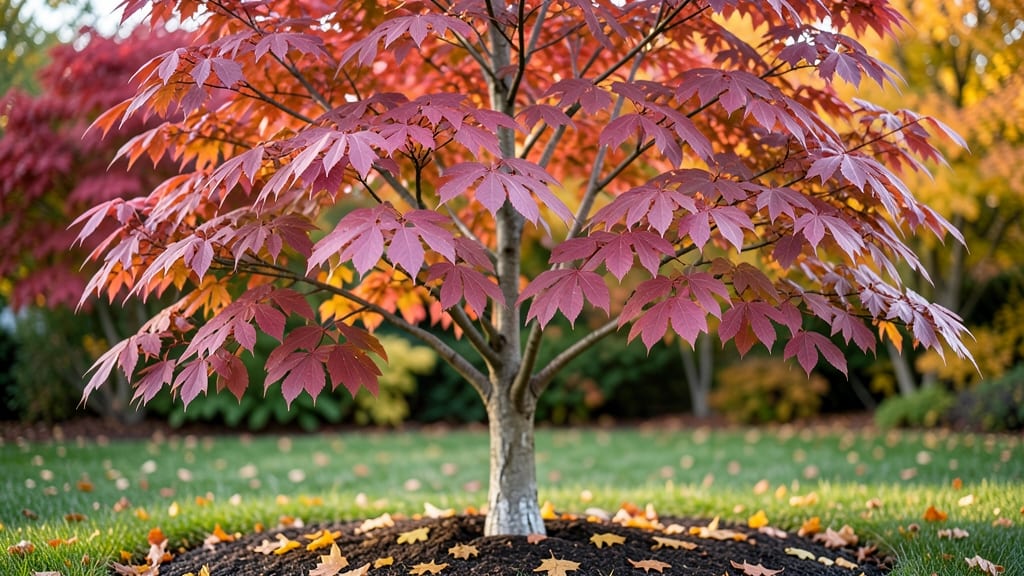
The pink dogwood tree (Cornus florida) turns your yard into a fall masterpiece with its fiery red leaves and persistent pink bracts. ✨ I’ve pruned mine every autumn for years, and the difference in color intensity and winter hardiness is night-and-day.
What most gardeners miss is that fall is actually the best time to shape the tree for next year’s blooms.
Start by removing dead or crossing branches first—they steal energy from the vibrant foliage you’re trying to preserve. Thin out crowded areas to improve airflow, which helps prevent fungal issues that peak in damp autumns.
A sharp pair of pruners and a clear day are all you need, but timing matters: aim for late October to early November, after leaves change but before hard frost.
You’ll end up with a tree that bursts into deep crimson by November, holding its color through winter. The pruning also encourages stronger growth in spring, so those iconic pink blooms arrive even more dramatic. Mulch lightly around the base afterward to protect roots from freezing temperatures.
Works for both mature trees and young specimens, though smaller dogwoods need less aggressive pruning. The key is consistency—skip a year, and you’ll notice the difference in leaf quality. Here’s exactly how to do it right the first time.
📚 In This Guide
- What you need
- Instructions
- Tips and common mistakes
- Wrapping up and next steps
What you need
- ● Bypass pruners – Sharp, high-quality (e.g., Felco or Fiskars) for clean cuts on small branches.
- ● Loppers – For thicker branches (1.5"–2" diameter).
- ● Pruning saw – For stubborn, larger limbs (3"–4" diameter).
- ● Extension pole – 6–10 ft to reach high branches safely.
- ● Garden gloves – Heavy-duty (cut-resistant) to protect your hands.
- ● Disinfectant (70% isopropyl alcohol or bleach solution) – To sterilize tools between cuts and prevent disease.
- ○ Pruning sealant (optional) – For sealing large cuts (if needed).
- ● Bucket or trash bag – For collecting pruned branches.
- ○ Ladder (optional) – Sturdy, non-slip if the tree is over 6 ft tall.
- ● Weather check – Prune on a dry, overcast day (avoid wind or rain).
- ● Safety gear – Eye protection and closed-toe shoes.
- ● Tree health assessment – Inspect for diseased or dead branches before pruning.
- ○ Sketch or plan (optional) – Lightly map out cuts to avoid over-pruning.
Year-round pruning for pink dogwood trees in fall
Fall is the perfect time to shape your pink dogwood for vibrant autumn color—here's how to do it right.
✂️ Step 1: Assess and Plan Your Pruning
Start by examining your pink dogwood for dead, diseased, or crossing branches. I always prune on a dry, overcast day to reduce stress on the tree. Look for branches that are rubbing against each other or growing inward—they compete for sunlight and create weak points. Mark these with a small piece of twine or flagging tape so you don't miss them during the actual pruning.
Fall pruning focuses on cleanup and light shaping rather than heavy cuts. The goal is to remove up to 25% of the tree's canopy at most, so you maintain its natural form while promoting next year's growth. If your dogwood has produced fewer pink blooms recently, this is the time to encourage new flowering wood by selectively thinning branches.
🌿 Step 2: Remove Dead and Damaged Wood First
Use sharp, clean pruners to make your first cuts—dull tools crush branches and invite disease. Start with any dead wood, which appears brown and brittle. Cut back to the nearest healthy branch collar (the swollen area where branches meet the trunk) to prevent unsightly stubs. For larger branches, use a pruning saw to avoid tearing the bark.
Next, remove any branches with signs of disease like fungal spots, cankers, or oozing sap. Sterilize your tools between cuts by wiping them with rubbing alcohol or a 10% bleach solution. This prevents spreading pathogens to healthy parts of the tree. I always work from the bottom up to avoid climbing and to make cleanup easier.
✂️ Step 3: Thin the Canopy for Better Airflow
Pink dogwoods thrive with good airflow, which reduces humidity-related diseases. Focus on removing branches that cross or grow too closely together. When thinning, cut back to a lateral branch or bud that faces outward. This encourages the tree to grow in a more open, balanced shape. Never remove more than one-third of a branch's length in a single cut.
Look for branches that grow straight up—these are called "water sprouts" and should be removed entirely at their base. They compete with the main structure for nutrients and weaken the tree's overall health. After each cut, step back to visualize the tree's shape. You're aiming for an open center that lets sunlight reach all parts of the canopy.
☀️ Step 4: Shape for Autumn Color and Next Year's Blooms
Dogwoods produce their stunning pink flowers on last year's wood, so avoid heavy pruning during the blooming season. In fall, you can lightly shape the tree to enhance its natural form. I like to remove any branches that spoil the tree's silhouette, especially those growing inward or downward. Make cuts just above an outward-facing bud to encourage new growth in the right direction.
For a more dramatic effect, you can also prune to create a layered look—this highlights the tree's horizontal branches and makes autumn foliage more visible. After shaping, clean up all fallen debris and apply a 2-inch layer of mulch around the base (but keep it 6 inches away from the trunk) to protect roots during winter.
⏰ Step 5: Clean Up and Prepare for Winter
Remove all pruned branches and dispose of them properly. If disease was present, bag the debris and dispose of it in the trash—not the compost pile. Sterilize your tools again with rubbing alcohol to prevent contamination. Finally, give the tree a deep watering to help it recover from the pruning stress before winter sets in.
Fall is also the time to fertilize lightly if your soil is poor. Use a balanced, slow-release fertilizer (like 10-10-10) and apply it according to package instructions. Avoid heavy fertilization in late fall, as new growth won't have time to harden off before winter. Instead, focus on giving your dogwood the care it needs to store energy for next spring's blooms.
Tips & tricks for perfect pink dogwood pruning in fall
Fall pruning transforms your pink dogwood into a stunning autumn showpiece—here's how to avoid common mistakes and get pro results.
Timing is Everything: Prune on a dry, overcast day between late fall and early winter (after leaves drop but before hard frost). This timing minimizes stress on the tree while still allowing it to heal before winter dormancy. I've learned the hard way that pruning too early can stimulate new growth that won't harden off before cold weather.
Tool Prep Matters: Sterilize your pruners between cuts using rubbing alcohol or a 10% bleach solution—this prevents spreading disease from infected branches to healthy ones. I keep a small spray bottle of alcohol handy for quick cleanups. Also, make sure your tools are sharp; dull blades tear bark and create entry points for pests. For larger branches, a pruning saw with a smooth blade prevents bark damage.
Visualize the Final Shape: Before making any cuts, step back and visualize how you want your dogwood to look. Focus on creating an open center that allows sunlight to reach all branches. I find it helpful to sketch a rough outline on paper first. When thinning, always cut back to a lateral branch or outward-facing bud—this encourages new growth in the right direction and maintains the tree's natural form.
Mulch Like a Pro: After pruning, apply a 2-inch layer of mulch around the base (keeping it 6 inches away from the trunk) to protect roots. Organic mulches like shredded bark or wood chips work best. This layer helps regulate soil temperature and retain moisture while preventing weed competition. I've noticed that properly mulched dogwoods show significantly better spring growth and bloom production.
Pro Tips for Pink Dogwood Tree In Fall
- Fall pruning transforms your pink dogwood into a stunning autumn showpiece—here's how to avoid common mistakes and get pro results.
- Timing is Everything: Prune on a dry, overcast day between late fall and early winter (after leaves drop but before hard frost).
- Tool Prep Matters: Sterilize your pruners between cuts using rubbing alcohol or a 10% bleach solution—this prevents spreading disease from infected branches to healthy ones.
Frequently asked questions
When is the best time to prune a pink dogwood for fall color?
Prune your pink dogwood right after flowering in late spring or early summer (May–June). Avoid pruning in fall or winter—this can stimulate new growth that won’t harden off before cold weather, risking winter dieback. Light shaping in early spring (before buds swell) is also safe.
Will pruning too late in fall damage my dogwood?
Yes! Pruning in late fall or winter stresses the tree by encouraging tender new growth that can’t survive frost. If you must trim, do it before October in mild climates (Zone 7+). Otherwise, wait until late winter—just before buds break—to avoid sap loss and disease risks.
How much can I trim without hurting the tree?
Remove no more than 25% of the canopy in one season. For pink dogwoods, focus on:
- Dead, diseased, or crossing branches (cut to the branch collar).
- Suckers or water sprouts (trim to the ground).
- Light thinning to improve airflow (avoid "lion’s tailing" or topping).
Why isn’t my dogwood’s fall color as pink as it should be?
Dull fall color in pink dogwoods often stems from:
- Over-fertilizing: Too much nitrogen = lush green leaves, not vibrant pink.
- Poor sunlight: Dogwoods need 6+ hours of sun for best fall hues.
- Stress: Check for pests (scale, borers), disease (powdery mildew), or compacted soil.
- Age: Older trees may fade—consider rejuvenation pruning.
Are there pink dogwood alternatives with easier fall care?
If you want low-maintenance pink fall foliage, try these:
Tree
Fall Color
Pruning Needs
Cornus sericea (Red Osier Dogwood)
Pinkish-red stems
Minimal—prune in late winter
Cercis canadensis ‘Forest Pansy’ (Redbud)
Deep purple-pink leaves
Light pruning after flowering
Fothergilla gardenii (Witch Alder)
Hot pink fall foliage
Prune in early spring
Wrapping up and next steps
The pink dogwood tree in fall is a breathtaking sight, and with the right pruning techniques, you can ensure its beauty thrives year-round! 🌿 By following seasonal care—like removing dead branches in late winter, shaping in early summer, and light trimming in fall—you’ll keep your tree healthy and vibrant.
Now that you’re armed with the know-how, grab those shears and get pruning! Your future autumn foliage will thank you.
🌟 Next Step: Plan Your Pruning Schedule
Mark your calendar for late winter (dormant season) and early summer—these are the sweet spots for pruning. A quick check-in before fall’s chill sets in will help maintain that stunning pink hue and keep your tree in peak condition. Happy gardening!