
Pruning
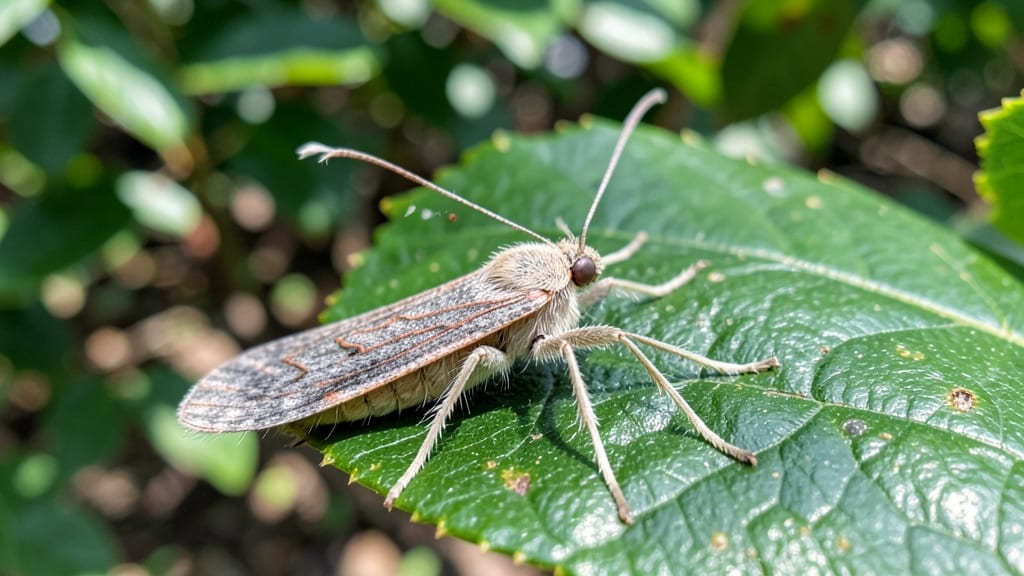
Spotting plum tree bugs pictures of tiny invaders on your tree can feel like a panic attack—until you know which ones matter. 🌱 This guide shows you exactly what to look for, from tiny aphids to sneaky borers hiding under bark, so you can act fast before damage spreads.
Most pests leave telltale signs: curled leaves (aphids), sawdust-like frass (borers), or sticky residue (scale). Beneficial insects like ladybugs or lacewings? They’re your allies—no need to squash them. The key is catching problems early when sprays or pruning still work.
You’ll learn to identify each bug by size, color, and damage pattern, plus simple fixes like neem oil or targeted pruning. No more guessing whether that speck is harmless or harmful—just clear visual clues and actionable steps.
Perfect for home gardeners who want to protect their trees without overreacting. Let’s turn those "bugs" into manageable moments before they become full-blown crises.
Root Causes Of Plum Tree Infestations
Plum trees, with their lush foliage and sweet fruit, can become a buffet for unwanted pests if conditions align. Understanding why these bugs show up in the first place is the first step to keeping your tree healthy.
Below, we break down the key factors that turn your plum tree into a magnet for insects—so you can address the problem at its source.
---
A plum tree’s natural resistance is its first line of defense against pests. When that defense weakens, bugs move in like uninvited guests at a dinner party. Here’s why this happens:
- Nutrient Deficiencies 🌿 Plum trees need a balanced diet of nitrogen (N), phosphorus (P), and potassium (K) to stay strong. If the soil lacks these nutrients—often due to poor soil quality or over-pruning—your tree becomes stressed and vulnerable.
Bugs like aphids, scale insects, and spider mites thrive on weakened trees because they can’t fight back as effectively.
- Actionable fix: Test your soil (a simple DIY kit works) and amend it with compost or a slow-release fertilizer tailored to fruit trees. Look for signs like yellowing leaves (nitrogen deficiency) or stunted growth (phosphorus deficiency).
- Water Stress 💧 Too much or too little water sends your plum tree into survival mode. Overwatering leads to root rot, while drought stress weakens the tree’s ability to produce natural pest-repelling compounds.
Both scenarios attract borers, leafhoppers, and whiteflies, which target trees that can’t maintain healthy sap flow.
- Actionable fix: Water deeply 1-2 times per week (depending on climate) and ensure proper drainage. Mulch around the base to retain moisture without suffocating roots.
- Disease or Fungal Infections 🍄 Fungal diseases like brown rot or powdery mildew create open wounds and weaken the tree’s structure. Once a tree is compromised, sap-sucking bugs (e.g., mealybugs) and bark-eating pests (e.g., plum curculio) move in to exploit the damage.
- Actionable fix: Prune infected branches immediately (sterilize tools with rubbing alcohol between cuts) and apply copper fungicide if fungal spots appear. Avoid overhead watering to prevent spore spread.
---
Your plum tree’s surroundings play a huge role in attracting bugs. Certain conditions create the perfect storm for infestations:
- Overcrowded Plantings 🌳 Plum trees planted too close together or near other fruit trees (peaches, cherries) create a pest highway. Bugs like the plum curculio or Japanese beetle can hop from tree to tree with ease, increasing the risk of spread.
- Actionable fix: Space new plum trees at least 15-20 feet apart and avoid planting near susceptible crops. If you’re in a small garden, opt for dwarf varieties to reduce crowding.
- Lack of Beneficial Predators 🐞 A healthy ecosystem has natural bug predators like ladybugs, lacewings, and parasitic wasps that keep pest populations in check. If your garden lacks biodiversity (e.g., no flowers for pollinators or ground cover for insects), pests multiply unchecked.
- Actionable fix: Plant companion flowers (e.g., marigolds, alyssum) near your plum tree to attract beneficial insects. Avoid broad-spectrum pesticides, which kill both pests and their predators.
- Climate and Seasonal Factors ☀️🌧️ Warm, dry summers and mild winters extend pest lifecycles.
For example: - Aphids thrive in hot, dry conditions because they dehydrate less. - Scale insects love warm, humid microclimates (like dense foliage). - Plum psylla emerges earlier in mild winters, leading to heavier infestations.
- Actionable fix: Use shade cloth in peak summer to reduce heat stress, and prune for airflow to lower humidity. In winter, remove fallen leaves (where pests overwinter) and apply dormant oil to smother eggs.
---
Sometimes, the problem isn’t nature—it’s us. Poor maintenance or well-meaning (but harmful) practices can invite bugs:
- Improper Pruning ⚠️ Over-pruning removes protective foliage, while poor cuts create entry points for borers and beetles. Additionally, pruning at the wrong time (late summer/fall) stresses the tree, making it more attractive to pests.
- Actionable fix: Prune in late winter/early spring (before buds swell) and follow these steps: 1. Remove dead/diseased wood first (sterilize tools!). 2. Thin out crowded branches for airflow. 3. Avoid “topping” (cutting back to stubs)—this invites rot and pests.
- Ignoring Early Signs 🚨 Many gardeners wait until bugs are visible in large numbers before acting. By then, the tree is already compromised. Early signs like sticky residue (honeydew), curled leaves, or tiny eggs are red flags.
- Actionable fix: Inspect your tree weekly during growing season. Use a hand lens to spot eggs or mites on the underside of leaves.
- Using the Wrong Fertilizers 💥 Synthetic, high-nitrogen fertilizers can burn roots and stress the tree, making it more susceptible to pests. Organic options (like fish emulsion or worm castings) provide nutrients slowly and safely.
- Actionable fix: Switch to a balanced, organic fertilizer (e.g., 5-5-5 or 3-4-6 ratio) and apply in early spring.
--- Some bugs have particular preferences that draw them to plum trees:
| Pest | Why They Target Plum Trees | What Attracts Them | |-------------------|-------------------------------|------------------------| | Plum Curculio 🐛 | Lays eggs in fruit and bark crevices | Ripe fruit, rough bark, and overripe fallen fruit on the ground. | | Aphids 🐜 | Suck sap from new growth | Soft, tender leaves (common after pruning) and crowded branches. | | Scale Insects 🛡️ | Cover themselves in waxy shields | Weak, slow-growing trees and high humidity. | | Japanese Beetles 🐞 | Defoliate and eat fruit | Healthy, lush foliage (they prefer strong trees!). | | Spider Mites 🕷️ | Thrive in dry, dusty conditions | Stressed trees (drought or poor soil) and low humidity. |
- Actionable fix: Monitor for these specific triggers and act early. For example: - Remove dropped fruit to deter plum curculios. - Hose off aphids with water (they hate movement!). - Apply kaolin clay to repel Japanese beetles.
Quick Fixes for Plum Tree Pests
Plum trees are a garden gem, but pests like aphids, scale insects, plum curculio, and spider mites can turn your fruit harvest into a battle zone. 🚨 The good news?
Most issues have simple, effective solutions—no chemical warfare required (unless absolutely necessary). Below, we’ve mapped out cause-specific fixes with step-by-step instructions and prevention tips to keep your tree thriving.
---
Problem: Tiny green, black, or brown bugs cluster on leaves/stems, leaving sticky honeydew (and ants in tow).
How to Fix It: 1. Blast Them Away 💦 - Spray aphids/scale with a strong stream of water (early morning or evening) to dislodge them. Repeat every 3–4 days for 2 weeks. - Pro tip: Use a hose nozzle with a gentle spray setting to avoid damaging tender leaves.
2. Soap Up the Trouble 🧼 - Mix 1 tbsp mild dish soap (like Dawn) + 1 quart water in a spray bottle. Test on a small leaf first—soap can burn if too concentrated. - Spray directly on infested areas (under leaves too!). Reapply after rain.
3. Introduce Beneficial Bugs 🐞 - Ladybugs, lacewings, and parasitic wasps love aphids. Buy them online or attract them with neem oil (see below).
4. Neem Oil Rescue 🌿 - 1 tsp neem oil + 1 tsp mild soap + 1 quart water. Shake well and spray all surfaces (even the soil). Repeat weekly until pests vanish.
Prevent Future Attacks: - Prune heavily infested branches below the infestation (sterilize pruners with rubbing alcohol). - Encourage predators by planting dill, fennel, or marigolds nearby. - Avoid over-fertilizing—aphids thrive on soft, nitrogen-rich growth.
---
Problem: Small, snout-nosed weevils chew holes in fruit, causing rot and deformities.
How to Fix It: 1. Handpick Adults 👨🍳 - Check the base of the tree and under bark for adults (spring/summer). Drop them in soapy water to kill them.
2. Traps & Barriers 🪟 - Red plastic bowls filled with beer or apple cider vinegar work as traps. Bury them near the tree trunk. - Floating row covers (lightweight fabric) over young trees in early spring can block adults before they lay eggs.
3. Organic Sprays 🌱 - Kaolin clay (like Surround WP) creates a barrier they can’t cross. Spray every 7–10 days from bloom until fruit sets. - Spinosad (organic pesticide) applied at petal fall can reduce larvae.
Prevent Future Damage: - Remove fallen fruit from the ground (they hide there!). - Plant trap crops like quince trees—curculios prefer them over plums. - Time sprays right: Apply kaolin clay or neem oil before adults emerge (check local bloom dates).
---
Problem: Fine webbing on leaves + yellow stippling (tiny dots) = mites feasting on your tree.
How to Fix It: 1. Knock ‘Em Off 💨 - Blow them away with a strong fan or compressed air (like a leaf blower on low). Do this daily for 3 days to disrupt their life cycle.
2. Horticultural Oil 🛢️ - Dormant oil (applied in late winter/early spring) smothers overwintering mites. Reapply every 7–14 days if active. - For active infestations, use neem oil (same recipe as above).
3. Water Blast 💦 - Wet the undersides of leaves (where mites hide) every 2–3 days—they hate humidity!
Prevent Future Outbreaks: - Avoid overwatering—drought-stressed trees attract mites. - Encourage predatory mites (like Phytoseiulus persimilis) with companion planting (e.g., chives or garlic). - Prune for airflow—mites love crowded, dry conditions.
---
| Season | Task | Why It Works | |------------------|-----------------------------------|------------------------------------------| | Late Winter | Apply dormant oil spray | Kills overwintering eggs/larvae | | Spring | Prune dead branches | Removes hiding spots for pests | | Summer | Inspect weekly | Catches infestations early | | Fall | Clean up debris | Removes egg-laying sites | | Year-Round | Mulch properly | Keeps soil moist (mites hate humidity) |
--- Final Tip: 🎯 Act fast! The sooner you treat pests, the easier it is to save your tree. Most issues are 90% preventable with regular checks and smart gardening. Now grab your spray bottle and get to work—your plums will thank you! 🍑✨
Frequently asked questions
What are the most common bugs found on plum trees?
Look for these troublemakers: aphids (tiny green/black clusters), scale insects (brown bumps on branches), plum curculio weevils (snout-nosed beetles), and spider mites (fine webbing). Beneficial bugs like ladybugs or lacewings are your allies—leave them be!
How can I tell if a bug is harmful or helpful?
Harmful bugs cause visible damage: honeydew residue (aphids), chewed fruit (curculios), or yellow stippling (mites). Helpful bugs like parasitic wasps or predatory mites don’t damage leaves—they hunt pests. Check undersides of leaves for clues!
When should I start treating bugs on my plum tree?
Act at the first sign of infestation—don’t wait! Early spring is critical for dormant oil sprays (kills overwintering eggs), while summer requires weekly inspections. Most pests spread fast, so 3–5 days of untreated growth can turn a small problem into a full-blown crisis.
Can I use store-bought pesticides on plum trees?
Use organic options first: neem oil, kaolin clay, or insecticidal soap. Avoid synthetic pesticides near harvest—they leave residues. For severe cases, spinosad (organic) is safer than chemicals. Always follow label instructions!
Why do ants appear when I see bugs on my plum tree?
Ants farm aphids! They protect aphids (which produce honeydew) in exchange for food. To break this cycle, spray aphids directly (ants won’t tend them) or use diatomaceous earth around the tree trunk. This disrupts their "farm" system.