
Trees
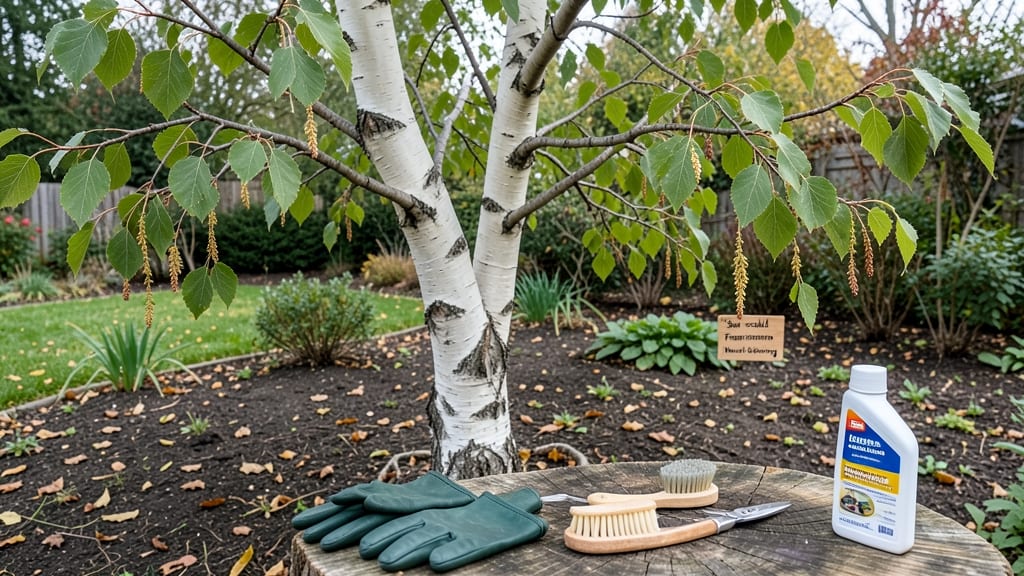
When your tree’s bark starts peeling, it’s not just unsightly—it’s a cry for help, and the right tree bark peeling treatment can make all the difference. 🌳 I’ve seen this happen after harsh winters, fungal attacks, or even overzealous pruning, and the good news is most cases respond well to early action.
The key is identifying whether it’s environmental stress, pests, or disease before the damage spreads deeper.
Most peeling bark stems from sun scald (sudden temperature swings), fungal infections (like powdery mildew), or pest damage (sap-sucking beetles). My first step is always checking the bark texture—if it’s dry and flaky, it’s likely sun stress; if sticky or discolored, pests or disease are probably at play.
A simple non-toxic bark sealant (like beeswax or shellac) can protect healthy trees, while infected bark often needs pruning to remove dead sections.
What you’ll end up with is a smooth, healthy trunk that resists future damage. For prevention, I water deeply during droughts, mulch properly, and avoid wounding the bark with tools.
Most trees bounce back within a season if you catch it early—but if the peeling spreads or oozes sap, it’s time to call an arborist.
This works for maples, birches, and fruit trees alike, and the treatments scale from simple home remedies to professional-grade solutions. Let’s get that bark looking good again!
Root Causes Of Bark Peeling
When tree bark begins to peel, it’s rarely a random event—it’s almost always a response to stress or damage. Understanding the why behind the peeling helps you take targeted action to restore your tree’s health.
Below, we break down the most common culprits, from environmental factors to biological threats, with clear explanations of how they trigger this distress signal.
Trees are living organisms, and like us, they struggle with sudden temperature swings. When a tree experiences freeze-thaw cycles—where ice forms in the bark during winter and then melts rapidly—it creates internal pressure.
The outer bark layer, which is dead and rigid, can’t stretch to accommodate the swelling and contracting of the living phloem (the tree’s food-transporting tissue) beneath it.
- How it happens: Water expands when it freezes, cracking the bark. When temperatures rise, the phloem absorbs moisture and swells, but the brittle outer bark can’t keep up, leading to peeling.
- Common in: Young trees, thin-barked species (like birch or cherry), and regions with harsh winters followed by rapid warming.
- Actionable insight: Mulch heavily around the base to insulate roots and bark. Avoid pruning late in the season, as fresh cuts are more vulnerable to cold damage.
Direct sunlight can be just as damaging as frost. Sun scald occurs when the bark absorbs intense heat during the day, causing the underlying cells to expand. At night, temperatures drop, and the bark contracts—repeatedly stressing the bond between layers.
This is especially common on the south or west-facing sides of trees, where exposure is most severe.
- How it happens: The outer bark dries out and cracks, exposing the phloem to further damage. Over time, the tree may develop cankers (dead patches) where peeling is worst.
- Common in: Thin-barked trees (e.g., maple, beech) and drought-prone areas.
- Actionable insight: Apply a light-colored tree wrap (like burlap) in late fall to reflect sunlight. Water deeply before winter to keep bark hydrated.
Not all peeling is physical—sometimes, it’s a biological attack. Insects like bark beetles, borers, and sapsuckers burrow into the phloem, disrupting nutrient flow. Fungal diseases (e.g., cytospora canker) can also weaken the bark, causing it to separate in patches.
The peeling is the tree’s way of shedding infected tissue to protect itself.
| Pest/Disease | Signs to Watch For | How It Triggers Peeling |
|---|---|---|
| Bark Beetles (e.g., pine bark beetle) | Sawdust-like frass at the base, small holes in bark | Larvae tunnel under the bark, killing phloem and causing layers to separate. |
| Anthracnose Fungus | Dark, sunken cankers; leaf spots | Fungal growth weakens bark integrity, leading to peeling and oozing sap. |
| Scale Insects | Sticky residue (honeydew), white/brown bumps on bark | Insects suck sap, starving the tree and causing bark to dry and flake. |
Actionable insight: Inspect for exit holes or sap oozing—early signs of infestation. Prune infected branches immediately and treat with neem oil or horticultural oil to smother pests.
Even well-meaning humans can cause peeling. Mechanical injury—from lawnmowers, string trimmers, or improper pruning—can strip away protective bark layers. When the cambium (the growth layer just under the bark) is exposed, the tree’s defense mechanism kicks in, shedding damaged tissue to prevent infection.
- How it happens:
- Topping (cutting branches flush to the trunk) creates wounds that peel over time.
- Girdling (removing a ring of bark) strangles the tree, causing peeling above and below the injury.
- Scrapes from tools or vehicles expose raw wood, inviting decay.
- Common in: Ornamental trees, fruit trees, and urban landscapes with heavy foot traffic.
- Actionable insight: Always use clean, sharp tools and make cuts at a 45-degree angle just outside the branch collar. Seal large wounds with pruning sealant (though some arborists debate this—consult a pro first!).
Bark peeling can also signal hydration extremes. On one end, prolonged drought causes the phloem to shrink, breaking its bond with the outer bark. On the other, overwatering (or poor drainage) leads to root rot, which weakens the tree’s structural integrity, including the bark.
- How it happens:
- Drought: The tree prioritizes root survival, sacrificing bark stability. Peeling often starts at the base.
- Overwatering: Anaerobic conditions in the soil suffocate roots, reducing nutrient transport to the bark.
- Common in: Container-grown trees, clay-heavy soils, and regions with erratic rainfall.
- Actionable insight:
- Test soil moisture with a screwdriver—if it goes in easily, water is sufficient.
- Improve drainage with organic mulch (3–4 inches deep) and avoid compacting soil around the trunk.
💡 Pro Tip: If peeling is accompanied by oozing sap, mushroom growth at the base, or sudden leaf drop, the tree may be in critical condition. Act fast—consult an arborist to diagnose underlying issues like vascular wilt or heart rot.
Fixing Peeling Bark Naturally
Peeling tree bark isn’t just an eyesore—it can signal deeper stress or disease. But the good news? Many causes have simple, non-toxic solutions to restore your tree’s health and smoothness. Below, we break down practical fixes for the most common culprits, plus prevention tips to keep your tree thriving.
Cause: Too much sun, wind, or drought causes bark to dry out and split. Fix:
- Water deeply but less often 💧—aim for 1–2 inches per week (check soil moisture 2–3 inches down).
- Mulch properly 🌿: Apply 2–4 inches of organic mulch (wood chips, bark) around the base, but keep it 6 inches away from the trunk to prevent rot.
- Shade young trees ☀️: Use lightweight shade cloth (30–50%) during extreme heat or windy seasons.
- Prune nearby branches ⛏️: Trim overcrowded limbs to improve airflow and reduce wind damage.
Prevention Tip: 💡 Group trees together to create a microclimate that retains moisture and blocks harsh winds.
Cause: Bark-eating insects (like bark beetles, borers, or scale) strip away layers. Fix:
- Handpick visible pests 👨🔧: Use a soft brush or cloth dipped in soapy water (1 tsp dish soap + 1 quart water) to wipe off crawlers.
- Apply horticultural oil 🛡️: Spray neem oil or dormant oil (follow label rates) to suffocate eggs and adults. Best done in early spring or fall when pests are dormant.
- Encourage natural predators 🐞: Ladybugs, lacewings, and birds help control pests—plant native flowers nearby to attract them.
- Seal entry points 🔒: If you spot sawdust-like frass (borer droppings), fill holes with pruning sealant (non-toxic, like Tanglefoot Tree Wound Pruning Sealer).
Prevention Tip: ✨ Inspect trees twice a year (spring and fall) for early signs of pests—catch them before they peel!
Cause: Fungi like canker, powdery mildew, or root rot weaken bark, causing it to flake. Fix:
- Remove infected bark ⚰️: Use sterilized pruners to cut away dead or peeling sections (don’t remove healthy bark!). Dispose of debris far from the tree.
- Apply copper fungicide 🛡️: Spray copper-based fungicide (like Bordeaux mixture) every 2–4 weeks during wet seasons.
- Improve drainage 💦: If soil is compacted, aerate with a garden fork or add organic compost to prevent waterlogging.
- Avoid overhead watering 🚫💦: Water at the base (not leaves) to reduce fungal spores.
Prevention Tip: 🌡️ Space trees properly (follow species guidelines) to improve airflow and reduce humidity around the trunk.
Cause: Scrapes, animal rubs, or lawnmower hits expose inner layers. Fix:
- Clean the wound 🧼: Scrub with mild soap and water, then rinse thoroughly.
- Apply tree wound dressing 🩹: Use a non-toxic, breathable sealant (like TreeHelp Wound Dressing) to protect against pests/disease.
- Install protective barriers 🛡️: Wrap the trunk with tree guard (plastic or metal) if animals (deer, rabbits) are chewing.
- Mow carefully ⚠️: Use a mulching mower and keep grass at least 3 feet away from the trunk.
Prevention Tip: 🎯 Train pets to avoid scratching trees—use bitter apple spray on trunks as a deterrent.
Cause: Poor soil or lack of nutrients weakens bark structure. Fix: - Test soil pH 📊: Ideal range is 6.0–7.0.
Adjust with lime (to raise pH) or sulfur (to lower pH). - Fertilize in spring 🌱: Use a balanced, slow-release fertilizer (10-10-10) or organic options like fish emulsion or compost tea. - Aerate compacted soil 🔨: Use a soil aerator or garden fork to help roots absorb nutrients. - Mulch with nutrient-rich materials 🍂: Leaf mold, well-rotted manure, or pine needles add organic matter over time.
Prevention Tip: 💪 Feed young trees annually and mature trees every 2–3 years for steady growth.
Cause: Some trees (like birch, sycamore, or beech) peel naturally as they mature. Fix:
- Leave it be! 🌳 Peeling isn’t harmful—it’s a sign of healthy growth.
- Enhance appearance 🎨: If you dislike the look, plant climbing vines (like clematis or ivy) to soften the texture.
- Protect from further damage 🛡️: Ensure the tree gets proper water and mulch to support its natural cycle.
Prevention Tip: ✨ Choose bark-friendly trees if aesthetics matter—species like redbud, dogwood, or crape myrtle have smooth, long-lasting bark.
| Problem | Recommended Tool/Product | Where to Use |
|---|---|---|
| Pest control | Neem oil spray | Trunk, branches |
| Fungal treatment | Copper fungicide | Infected bark, soil |
| Wound sealing | TreeHelp Wound Dressing | Scrapes, cuts |
| Mulching | Wood chips or pine straw | Base of tree (6" from trunk) |
| Soil aeration | Garden fork or soil aerator | Compacted areas |
| Pest barriers | Tree guard or bitter apple spray | Trunks at risk |
Final Reminder: 🌟 Patience is key! Some fixes (like fungal treatments) take weeks to show results, while others (like mulching) improve over months. Monitor your tree’s progress and adjust as needed—your green thumb will thank you!
Frequently asked questions about tree bark peeling
Why does my tree bark peel in patches instead of all over?
Patchy peeling usually indicates localized stress or damage. If you see peeling only on one side, it’s often sun scald (south/west exposure) or mechanical injury (like lawnmower hits). For random patches, check for pest entry points (like bark beetles) or fungal infections—these often start small before spreading.
Is it safe to remove peeling bark myself?
Only remove loose, dead bark—never scrape healthy layers! Use sterilized pruners to trim peeling sections cleanly, but avoid exposing fresh wood. For large areas, consult an arborist first, especially if you see oozing sap or mushroom growth, which could signal deeper rot.
How long does it take for treated bark to heal?
Recovery depends on the cause: sun scald may show improvement in 4-6 weeks with proper mulching, while fungal treatments can take 2-3 months for full regrowth. For pest damage, expect 1 growing season to see noticeable bark regeneration. Monitor progress monthly!
Can I use regular paint to cover peeling bark?
Never use latex or oil paint—it suffocates the tree! Instead, opt for non-toxic bark sealants (like beeswax or shellac) that allow the tree to breathe. These create a protective barrier while letting moisture and gases pass through. Reapply annually in late spring for best results.
What’s the difference between normal shedding and disease-related peeling?
Normal shedding (like birch bark) happens gradually and isn’t accompanied by discoloration, sap oozing, or dieback. Disease-related peeling is often uneven, sticky, or accompanied by cankers. If you see black spots, mold, or insect frass, it’s time for targeted treatment.