
Trees
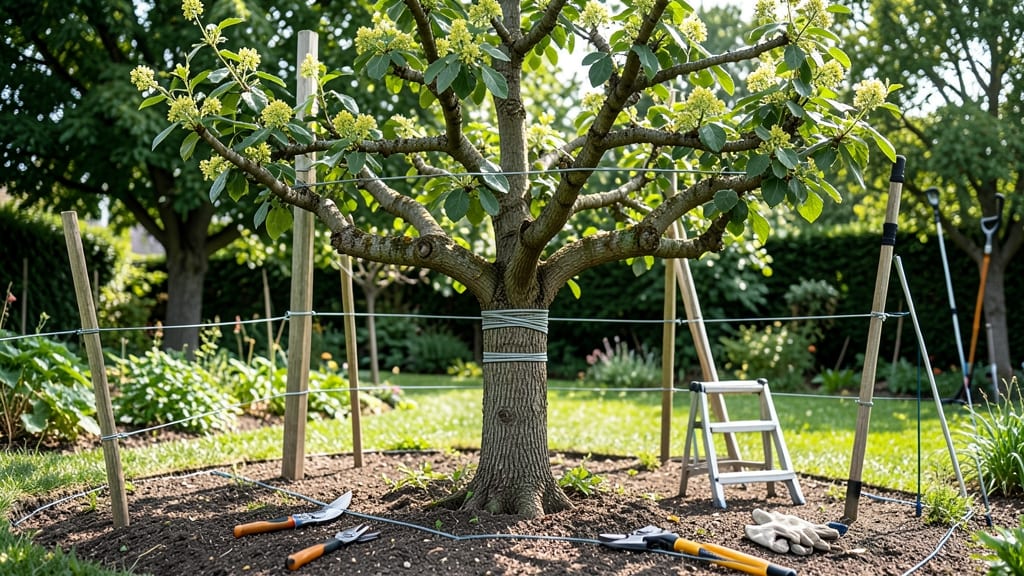
Transforming your 🌳 tree shaping ideas into reality starts with the right techniques—whether you're dreaming of a dramatic topiary masterpiece or a neatly trimmed fruit tree.
Your backyard trees don’t have to follow nature’s blueprint—with the right pruning methods, you can sculpt them into stunning focal points that blend artistry with horticulture.
From formal hedges to wild, organic silhouettes, the key lies in understanding when and how to prune, which tools to use, and how to avoid common mistakes that stifle growth.
Below, I’ll walk you through four pruning styles that work for almost any tree, plus tips to keep your 🌳 trees thriving while you shape them into your vision.
4 Creative tree pruning styles to reshape your landscape
Transforming your trees into living art requires more than just trimming branches—it’s about understanding pruning styles that shape growth patterns while keeping trees healthy. Whether you’re working with a fruit tree, ornamental specimen, or hedge row, the right technique can turn ordinary trees into stunning landscape features.
I’ve experimented with these four methods in my own garden, and each delivers a unique aesthetic while promoting strong growth.
From the structured elegance of formal pruning to the rustic charm of pollarding, every style serves a purpose. The key is matching the technique to your tree’s species, size, and your design goals.
For example, espalier works beautifully for fruit trees against fences, while informal pruning softens the look of shade trees. Let’s explore how each style can reshape your landscape with precision and creativity.
Comparison Table: Tree Pruning Styles
| Style | Best For | Key Techniques | Example Trees | Maintenance |
|---|---|---|---|---|
| Formal Pruning | Ornamental trees, hedges, topiary | Geometric shapes, precise cuts, layered branches | Beech, Holly, Boxwood | High (regular trimming) |
| Informal Pruning | Shade trees, natural landscapes | Natural silhouette, open center, selective cuts | Oak, Maple, Birch | Moderate (seasonal) |
| Pollarding | Fruit trees, large shade trees | Severe cuts near trunk, regrowth management | Willow, Elm, Apple | Intensive (annual) |
| Espalier | Fruit trees, small spaces | Flattened growth, horizontal branches, trellises | Apple, Pear, Quince | High (structured training) |
Let’s dive deeper into each of these tree pruning styles to see how they can elevate your garden’s design. Formal pruning is perfect if you love symmetry and structure—think manicured hedges or topiary shapes like spirals or cubes.
I’ve used this style with my boxwood hedges, and the results are striking year-round. The trick is to prune in stages, shaping the tree gradually to avoid shock.
For a more organic look, informal pruning lets trees grow naturally while you refine their shape. This method focuses on removing dead or crossing branches while maintaining an open canopy. It’s ideal for shade trees like oaks or maples, where you want to preserve their natural beauty.
I prune my Japanese maple this way, and it retains its graceful silhouette while staying healthy.
Pollarding might sound extreme, but it’s a time-honored technique for managing large trees. By cutting branches back to a main trunk or sturdy limb, you encourage new growth from the base. This method works well for fruit trees like apples or willows, as well as shade trees in tight spaces. The downside? It requires regular maintenance—usually once a year—to keep the tree under control.
If you’re short on space but love fruit, espalier pruning is a game-changer. This technique trains trees to grow flat against walls or fences, creating a stunning vertical garden. My apple espalier along the backyard fence produces bushels of fruit while adding architectural interest.
The key is patience—it can take a few years to train the branches into the desired pattern, but the results are worth it.
When choosing a pruning style, consider your tree’s growth habits and your landscape goals. A fast-growing tree like a willow might need pollarding, while a slow-growing ornamental like a Japanese maple can handle formal pruning.
Always prune during the dormant season (late winter or early spring) to minimize stress on the tree and encourage healthy regrowth.
One of my favorite projects was transforming a wild hawthorn hedge into a formal espalier along my garden path. It took two growing seasons, but the result—a lush, fruiting wall—added a focal point that draws visitors in.
The secret? Using flexible ties to guide new shoots and pruning aggressively in the first year to establish the framework.
Remember, every cut should have a purpose. Whether you’re removing dead wood, thinning the canopy, or shaping for aesthetics, think about how each snip will affect the tree’s health and future growth. And always use sharp, clean tools to make precise cuts—dull shears can tear branches, inviting disease.
Ready to reshape your landscape? Start small with a single tree or hedge, and experiment with different styles. The beauty of tree pruning is that it’s both an art and a science—your creativity is the only limit. Happy pruning! 🌳✂️
How to choose the right pruning style for your tree type
Choosing the right pruning style transforms your trees from wild specimens into designed landscape features. The key lies in matching your tree’s species and growth habits with the correct technique.
For example, a fruit-bearing tree like an apple needs open-center pruning for airflow, while a shade tree like an oak benefits from crown thinning to reduce weight. Let’s break down how to pair your tree’s needs with the best pruning approach.
Start by assessing your landscape goals. Do you want a structured topiary for formal gardens, or a natural silhouette that blends with the surroundings? Your desired shape dictates the pruning method.
For instance, espaliered trees create flat planes against walls, while pollarding keeps trees compact by cutting back to stubs. Understanding these differences ensures your tree thrives while achieving your vision.
Seasonal timing is another critical factor. Most trees should be pruned in late winter or early spring when they’re dormant but about to wake up. However, flowering trees like cherry blossoms bloom on old wood, so prune them right after flowering. Always use sharp, clean tools—bypass pruners for small branches and loppers for thicker stems—to avoid tearing bark and inviting disease.
🌳 Tree Type & Pruning Style Matchmaker
-
🍎 Fruit Trees (Apple, Pear, Peach)
Style: Open-Center or Central Leader -
🌿 Shade Trees (Oak, Maple, Elm)
Style: Crown Thinning or Raising the Canopy -
🪴 Ornamental Trees (Crape Myrtle, Japanese Maple)
Style: Formal Topiary or Informal Layering -
🌿 Hedges & Screening Plants (Arborvitae, Boxwood)
Style: Shear Pruning or Tip Trimming -
🌳 Fast-Growing Trees (Willow, Poplar)
Style: Pollarding or Renewal Pruning
Pro Tip: Always prune 1/3 or less of a tree’s foliage in one session to avoid stress.
For young trees, focus on structural pruning to establish a strong framework. Remove competing branches and water sprouts early to prevent future issues. Mature trees often need corrective pruning to address storm damage or overgrowth.
Use a 3-cut method for large branches: undercut, top cut, and final break to avoid bark tears. Label your cuts with twine or flags if working in stages to track progress.
Don’t forget about safety first. Wear gloves and eye protection, and use a stable ladder or hire a professional for trees over 30 feet tall.
Pruning too close to the trunk can harm the tree, so aim for the branch collar—the swollen area where the branch meets the trunk. This ensures proper healing and minimizes disease risk.
With the right approach, your trees will reward you with healthier growth and stunning shapes for years to come.
Experiment with small branches first to see how your tree responds. Over time, you’ll develop an eye for balancing artistic vision with tree health. Whether you’re shaping a bonsai or a backyard giant, the key is patience and precision. Happy pruning!