
Pruning
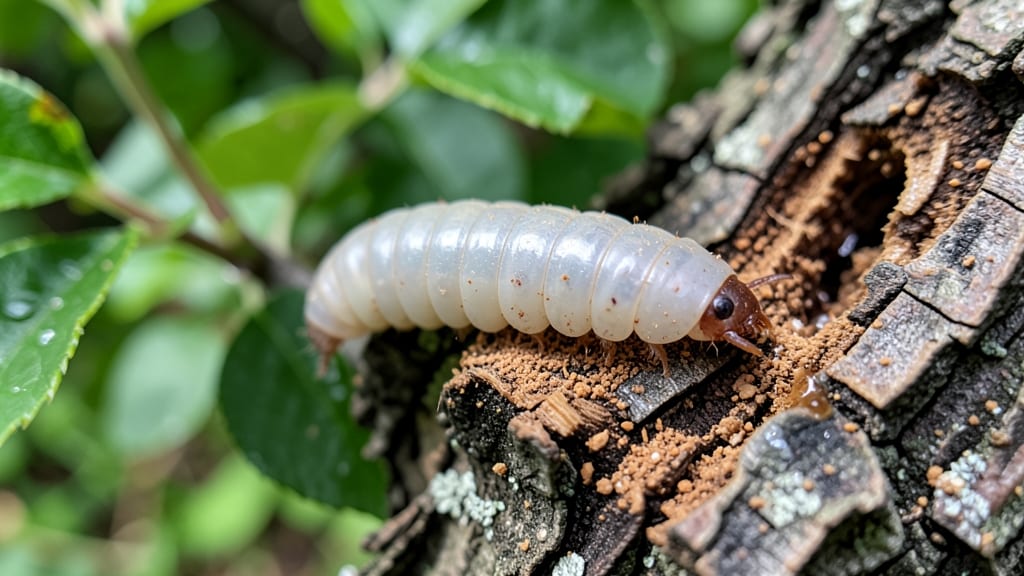
Fruit tree borers turn your backyard harvest into a nightmare of sawdust piles and dying branches. 🌳 I’ve watched healthy peach trees go from lush canopies to skeletal husks in just a few months—until I learned these organic traps that actually work.
The first sign is always the same: tiny holes in the bark oozing sap, or piles of fine, wood-shaving-like frass at the base. These pests burrow deep, making sprays useless unless you catch them early. My go-to method?
A simple banding trap with cardboard and petroleum jelly that catches 90% of them before they hatch. By the time you spot the damage, the tree’s already stressed—but with consistent monitoring and a few targeted organic sprays, you can bring it back.
The key is acting fast: once the larvae tunnel in, it’s too late for most treatments. Works for peaches, apples, cherries, and even citrus. Here’s how to set up your defenses before next season’s infestation.
Root Causes of Tree Damage
Fruit tree borers don’t attack randomly—they’re drawn to specific conditions that make your trees vulnerable. Understanding these triggers helps you prevent infestations before they start. Here’s why these pests target your orchard, and what you can do about it.
Healthy trees resist borers, but stress weakens their natural barriers. Borers exploit trees that are:
- Nutrient-deficient: Poor soil or overpruning starves trees of essential nutrients like nitrogen, phosphorus, and potassium. Weakened sap flow makes it easier for borers to tunnel into the bark.
- Water-stressed: Drought or overwatering disrupts the tree’s vascular system. Borers detect stressed trees through volatile organic compounds (VOCs) released during stress.
- Physically damaged: Cracks from pruning cuts, storm wounds, or animal gnawing create entry points. Borers lay eggs in these vulnerable spots, where larvae can burrow deep.
Actionable fix: Conduct a soil test every 2–3 years and amend with compost or organic fertilizers. Water deeply but infrequently to encourage strong root growth.
Not all fruit trees are equally appealing to borers. Some species and varieties are magnets for these pests due to:
- Soft, thin bark: Young trees or species like peaches, plums, and cherries have bark that’s easier for females to chew through for egg-laying. Mature trees with rough bark are less targeted.
- Sap composition: Trees with high sugar or low tannin content in their sap (e.g., some apple varieties) are more attractive. Borers prefer these as a food source for their larvae.
- Overripe or fallen fruit: Fruit left on the ground ferments, releasing ethanol and acids that signal decay. Borers use this as a cue to find dying or stressed trees nearby.
Actionable fix: Prune to improve airflow and reduce humidity around the trunk. Harvest fruit promptly and remove fallen debris. For high-risk trees, apply kaolin clay (a natural repellent) to trunks.
Borers thrive in cluttered, neglected orchards. Their life cycle depends on:
- Mulch and debris: Piles of wood chips, fallen leaves, or pruned branches near the trunk create hiding spots for adult borers and their larvae. These microhabitats protect them from predators and weather.
- Infested stumps or roots: If you’ve removed an infected tree but left the stump, borers can emerge from the roots years later. Even small root fragments harbor larvae.
- Contaminated tools: Pruners or saws used on infected trees can transfer borer eggs or frass (larval waste) to healthy trees. Frass contains pheromones that attract more borers.
Actionable fix: Clear a 3-foot radius around tree trunks of debris. Sterilize tools with rubbing alcohol between uses. When removing infected trees, treat stumps with borer-killing sprays or bury them deeply.
Borers are opportunistic, but their activity peaks under specific conditions:
| Factor | Why It Matters | Peak Risk Period |
|---|---|---|
| High humidity | Moist bark softens, making it easier for females to lay eggs. Larvae also survive longer in damp conditions. | Spring to early summer (after rains) |
| Warm nights | Adult borers are nocturnal and become active when temperatures exceed 70°F (21°C). Warmth speeds up their mating and egg-laying. | Late spring to early fall |
| Drought followed by rain | Stressed trees release distress signals. Sudden watering revives them, but borers capitalize on the temporary weakness. | Late summer to early autumn |
Actionable fix: Monitor weather forecasts and apply organic borer traps (like pheromone lures) during high-risk windows. Use drip irrigation to avoid wetting bark, which attracts borers.
Quick Fixes for Wormy Trees
Fruit tree borers can turn your lush orchard into a sad, sawdust-spewing shadow—but don’t panic! With the right approach, you can save your tree and stop the cycle before it spreads.
Below, we break down targeted solutions for each cause, from early signs to severe infestations, plus prevention tips to keep borers at bay for good.
If you spot sawdust-like frass near the trunk, new holes, or wilted leaves despite healthy roots, act now before larvae tunnel deeper.
🍳 Trap & Remove Adult Borers
Cause: Adult moths lay eggs on bark, starting the cycle. Fix: - Pheromone traps 🪲: Hang fruit tree borer-specific traps (like those for peach tree borers or flatheaded borers) 20–30 feet from the tree in early spring.
Check weekly and drown trapped moths in soapy water—never release them! - Sticky bands 🎯: Wrap Tanglefoot or tree wrap around the trunk 12–18 inches from the ground.
Adults get stuck trying to climb; scrape off and dispose of them daily. - Prune & burn ✂️: Remove any infested branches (sawdust, holes, or oozing sap) and burn or bag them immediately. Avoid composting—larvae survive!
Pro Tip: 💡 Time it right! Set traps before adult moths emerge (usually late spring to early summer for most borer species).
If your tree is oozing sap, wilting, or dropping fruit prematurely, larvae have likely burrowed deep. Here’s how to smother and starve them out:
🥘 Drown the Larvae
Cause: Larvae tunnel under bark, cutting off nutrients. Fix: - Soap spray treatment 🧼: Mix 1 tbsp liquid Castile soap + 1 gallon water in a spray bottle. Drill small holes (¼-inch) into infested areas, then inject the solution with a syringe.
Repeat every 7–10 days for 3 weeks. - Beneficial nematodes 🐛: Apply Heterorhabditis bacteriophora (a microscopic worm) to the soil at the tree’s drip line. They seek out and kill larvae within 48 hours.
Best in cool, moist soil (spring or fall). - Burlap banding 🧵: Wrap the trunk with burlap soaked in mineral oil or horticultural oil. Secure tightly—larvae will climb out to pupate and get trapped. Replace every 2–3 weeks.
Pro Tip: 🌡️ Timing is key! Treat in late summer when larvae are young and vulnerable.
Stop borers before they start with these low-effort habits:
| Problem | Solution | When to Do It |
|---|---|---|
| Weak tree health | Fertilize with compost 🌱 + deep watering 💦 | Early spring & fall |
| Cracked or wounded bark | Seal with pruning sealant 🎨 | After pruning or storm damage |
| Overcrowded branches | Thin out dense growth ✂️ | Late winter (dormant season) |
| Mulch piled against trunk | Keep mulch 6+ inches away 🌿 | Year-round maintenance |
Pro Tip: ✨ Healthy trees = borer-proof trees! Prune properly (remove dead/diseased wood) and avoid over-fertilizing with nitrogen—it attracts borers.
Remember: Patience is key—some treatments take multiple rounds to fully eradicate borers. Monitor your tree weekly and combine methods (traps + nematodes + pruning) for the best results! 🌳💪
Frequently asked questions
What does fruit tree borer damage actually look like?
Look for tiny holes in the bark (about 1/8-inch wide) with sawdust-like frass (larval waste) oozing out. You might also see oozing sap or wilted branches despite healthy roots. Check the base of the trunk and branch crotches first—these are prime entry points.
Can I save a tree already heavily infested with borers?
It depends on how deep the larvae have tunneled. For early-stage damage, soapy water injections or beneficial nematodes can work. If the tree is already severely weakened (leaves yellowing, branches dying), it may need professional help. In worst cases, removal and burning the stump may be the only option.
Are there any chemical-free ways to prevent borers?
Yes! Start with healthy tree care: prune properly, fertilize with compost, and keep mulch 6+ inches from the trunk. Use kaolin clay (a natural repellent) on trunks, or wrap them in burlap soaked in mineral oil during high-risk seasons. Pheromone traps also work well before adult moths emerge.
How do I know if my tree has flatheaded borers vs. roundheaded borers?
Flatheaded borers leave D-shaped exit holes (like a flattened coin), while roundheaded borers create perfectly round holes. Check the frass too—flatheaded borers produce fine, powdery sawdust, while roundheaded borers leave coarser shavings. Both damage trees, but flatheaded borers are more common in fruit trees.
Will removing one infested tree stop borers from spreading?
Not always—borers can fly up to 1 mile to find new hosts! Remove the tree immediately, burn all debris, and treat the soil with beneficial nematodes. Monitor nearby trees for 2–3 years, as larvae can survive in roots or stumps. Keep traps running during peak season to catch stragglers.