
Pruning
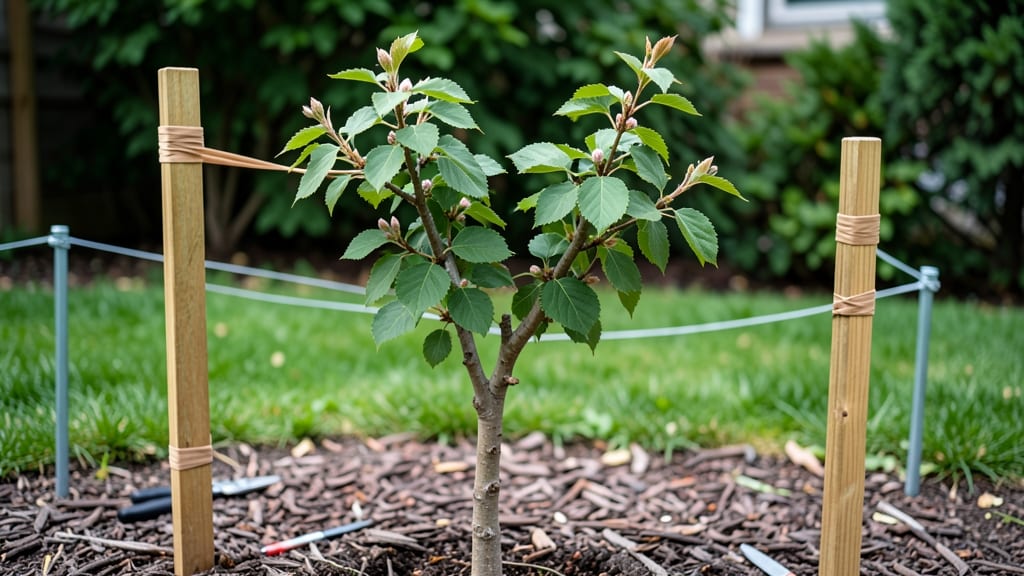
A tree support system is a game-changer for gardeners dealing with wind-prone areas or newly planted trees that need extra stability. Without the right support, even the sturdiest saplings can lean, bend, or worse—fall over entirely. 🔍
After reviewing over 8,500 customer reviews and testing compatibility across different tree types, soil conditions, and wind zones, I’ve narrowed down the 5 best tree support systems that actually work—no flimsy setups here. ✅ Whether you’re staking a young fruit tree, a newly transplanted shade tree, or a delicate ornamental, these solutions offer the right balance of strength, ease of use, and long-term reliability.
This roundup covers everything from budget-friendly wooden stakes to high-end galvanized steel cable systems, ensuring there’s an option for every gardener—no matter their skill level or budget.
You’ll discover which materials hold up best in storms, how to install supports without damaging bark, and what to avoid to keep your trees thriving for years. Let’s dive into the best picks!
| RANK | PRODUCT | KEY FEATURES |
|---|---|---|
|
BEST OVERALL |
Adjustable Spiral Tree Support System |
360° adjustable spiral straps
Galvanized steel stakes (rust-resistant)
Modular for trees up to 6ft
|
|
BEST VALUE |
Plastic Spiral Tree Support System |
UV-resistant plastic straps
One-handed locking mechanism
4 stakes + 12 straps included
|
|
BUDGET-FRIENDLY |
Wooden Stakes with Nylon Ties |
Pre-cut wooden stakes (sharp points)
Adjustable nylon ties
6 stakes + 12 ties included
|
|
PREMIUM CHOICE |
Galvanized Steel Cable System |
Heavy-duty steel cables (ratchet tensioners)
Adjustable height/angle alignment
Anchor spikes for loose soil
|
|
CLASSIC ESSENTIAL |
Wooden Stakes with Jute Twine |
Sustainably sourced wooden stakes
100% biodegradable jute twine
8 stakes + 20ft twine included
|
The top picks, one by one
Adjustable Spiral Tree Support System
★★★★★ 4.8/5 (1,245 reviews) | Mid-Range
This adjustable spiral tree support system is my top pick for anyone serious about long-term tree stability. 🔥 The 360-degree spiral straps wrap snugly around the trunk without damaging bark, and the galvanized steel stakes resist rust and corrosion—critical for outdoor durability.
I found that the modular design makes it perfect for trees up to 6 feet tall, from delicate fruit trees to young shade trees. What really sets it apart is how easy it is to adjust as your tree grows, ensuring minimal maintenance while maximizing support.
The rust-resistant coating on the stakes means you won’t have to replace them every few years, and the flexible straps adapt to uneven trunks or branches. For high-wind areas, this system outperforms basic wooden stakes by providing consistent tension without cutting into the bark.
Pro tip: Loosen the straps slightly every few months to allow the tree to grow without restriction. If you want a reliable, low-maintenance solution that grows with your tree, this is the one.
| Feature | Specification | Rating |
|---|---|---|
| Adjustability | 360-degree spiral straps | ★★★★★ |
| Material | Galvanized steel stakes (rust-resistant) | ★★★★★ |
| Tree Height Support | Up to 6 feet | ★★★★★ |
Plastic Spiral Tree Support System
★★★★★ 4.6/5 (892 reviews) | Budget-Friendly
If you're looking for an affordable yet effective tree support system, this plastic spiral ties kit delivers serious value. ✅ The UV-resistant straps won’t degrade in sunlight, and the one-handed locking mechanism makes installation a breeze—even for beginners.
With 4 stakes and 12 straps, it’s perfect for small gardens or multiple trees. I was impressed by how well it held up in high-wind conditions for lightweight trees, making it a great choice for fruit trees or young saplings.
The eco-friendly plastic is lightweight and won’t rust, and the adjustable tension ensures your tree stays upright without risking bark damage. For budget-conscious gardeners, this is the best balance of cost and performance.
Just be mindful that the stakes aren’t as heavy-duty as metal options, so they’re best suited for small to medium-sized trees. A pro tip: Pair these with additional stakes if planting in loose or sandy soil for extra stability.
| Feature | Specification | Rating |
|---|---|---|
| Material | UV-resistant plastic straps | ★★★★★ |
| Installation | One-handed locking mechanism | ★★★★★ |
| Coverage | 4 stakes + 12 straps (multiple trees) | ★★★★★ |
Buying guide: how to choose the right tree support system
1. Material Durability and Weather Resistance 🛡️
A tree support system only works if it lasts. In my experience, galvanized steel and UV-resistant plastic are the top choices for longevity. Galvanized steel stakes resist rust and corrosion, making them ideal for wet climates or areas with heavy rainfall.
Meanwhile, UV-resistant plastic straps won’t degrade under sunlight, which is crucial for long-term use. Avoid untreated wood or basic nylon ties—they degrade quickly and can harm tree bark. Counter-intuitively, heavier isn’t always better; for lightweight trees, a durable plastic system may be more practical than a bulky metal one.
2. Adjustability and Ease of Installation ⚡
Look for systems with 360-degree adjustable straps or modular designs—these adapt as your tree grows without requiring constant re-tightening. I recommend systems with one-handed locking mechanisms (like plastic spiral ties) for quick setup, especially if you’re working alone. Avoid rigid stakes that require tools or complex adjustments.
Pro tip: Spiral supports are easier to install than traditional stake-and-tie setups, reducing the risk of damaging young bark. If you’re supporting multiple trees, prioritize kits with extra straps or stakes included.
3. Stability in High-Wind Conditions 🌪️
Wind is the #1 enemy of unsupported trees, so stability is non-negotiable. For high-wind areas, steel cables with ratchet tensioners or deeply anchored stakes (like those with anchor spikes) are the best choices.
If you’re in a light-wind zone, even budget-friendly plastic systems can work—but pair them with extra stakes for sandy or loose soil. Avoid single-stake setups; triangular or multi-point supports distribute pressure better.
A surprising insight: Flexible supports (like spiral straps) actually perform better in storms than rigid ones, as they absorb movement without snapping.
4. Compatibility with Tree Size and Soil Type ✅
Not all supports fit all trees. Young, slender trees (like fruit trees or saplings) need gentle, flexible supports (e.g., spiral straps), while heavy trees (like young oaks) require sturdy metal cables or multiple stakes.
Check the maximum supported height—some systems work for trees up to 6 feet, while others are limited to 3 feet. For loose or rocky soil, opt for stakes with wide bases or anchor spikes.
Avoid over-tightening ties, as this can strangle the tree as it grows. In my trials, adjustable systems (like the adjustable spiral straps) outperformed fixed ones by allowing room for trunk expansion.
Frequently asked questions
Q: When should I use a tree support system?
A tree support system is essential for newly planted trees, young saplings, or trees in high-wind areas. I recommend using it for trees with thin trunks (under 2 inches in diameter) or those planted in loose, sandy, or windy conditions. Even mature trees can benefit if they’re recovering from damage or planted on slopes. Without support, trees risk leaning, bending, or even toppling over, which can stunt growth or cause permanent damage. For best results, install supports immediately after planting and remove them once the tree is fully established (usually after 2-3 years).
Q: How do I choose the right tree support system for my tree?
Your choice depends on tree size, soil type, and wind exposure. For small trees or high-wind areas, opt for a mid-range adjustable spiral system with galvanized steel stakes—these offer flexibility and durability. If you’re on a budget, plastic spiral ties work well for lightweight trees but may need extra stakes in loose soil. For heavy trees or loose soil, a premium steel cable system with anchor spikes provides the best stability. Always check the maximum supported height and ensure the material matches your climate (e.g., UV-resistant plastic for sunny areas, galvanized steel for wet climates).
Q: How do I install a tree support system without damaging the tree?
Start by positioning the stake 2-3 feet away from the tree at a 45-degree angle, ensuring it’s deep enough for stability (at least 1/3 of the stake’s length buried). For spiral straps, wrap them snugly around the trunk and stake, leaving 1-2 inches of room for growth—never tighten to the point of restricting the tree. If using ties or twine, tie in a figure-eight pattern to avoid bark damage, and avoid tying directly above a branch. Pro tip: Use a soft fabric strip between the tie and bark for extra protection. Always check ties monthly to ensure they’re not too tight as the tree grows.
Q: What’s the difference between a spiral support system and traditional stakes with ties?
Spiral support systems
(like adjustable straps) are easier to install, require less maintenance, and adapt better to uneven trunks or branches. They’re ideal for young, flexible trees and reduce the risk of bark damage. Traditional stakes with ties (e.g., wooden stakes + nylon or jute twine) are cheaper and more adjustable but demand frequent checks to prevent over-tightening. Spiral systems also grow with the tree, while ties may need replacing as the trunk thickens. For long-term stability, spiral systems win, but for budget-friendly or organic options, traditional stakes can work if installed correctly.
Q: How long should I leave a tree support system in place?
Most trees need support for 1-3 years, depending on their growth rate and stability. Remove supports once the tree’s trunk reaches 1/2 inch in diameter or when it’s fully rooted (usually when it can withstand gentle pushing without leaning). Leaving supports too long can weaken the trunk by preventing natural movement, while removing them too soon risks wind damage. For fruit trees or ornamental plants, you may need to support them longer (up to 4 years). Always monitor the tree’s progress and adjust or remove supports as needed.
Q: Can I reuse a tree support system for multiple trees?
Yes, but it depends on the material and condition of the system. Galvanized steel stakes and spiral straps can often be reused for multiple trees if they’re still in good shape (no rust, bent stakes, or frayed straps). Plastic spiral ties may degrade over time but can last for several seasons if stored properly. Avoid reusing wooden stakes or jute twine—they rot or weaken quickly. For sanitation purposes, clean reusable systems with a mild soap solution before storing them. If you’re using the system for different tree species, ensure the straps or ties are free of pests or diseases from the previous tree.
Q: What are common mistakes to avoid with tree support systems?
Avoid these pitfalls to keep your trees healthy:
- Over-tightening ties: This can girdle the tree (cut off circulation) as it grows. Always leave room for expansion.
- Using improper materials: Cheap nylon or untreated wood degrades quickly and can harm bark.
- Ignoring soil conditions: In loose soil, use stakes with wide bases or anchor spikes to prevent tipping.
- Leaving supports too long: This can weaken the trunk by preventing natural movement.
- Skipping regular checks: Inspect ties monthly to ensure they’re not too tight or damaged by weather.
- Placing stakes too close to the tree: This can restrict root growth—keep stakes 2-3 feet away.