
Pruning
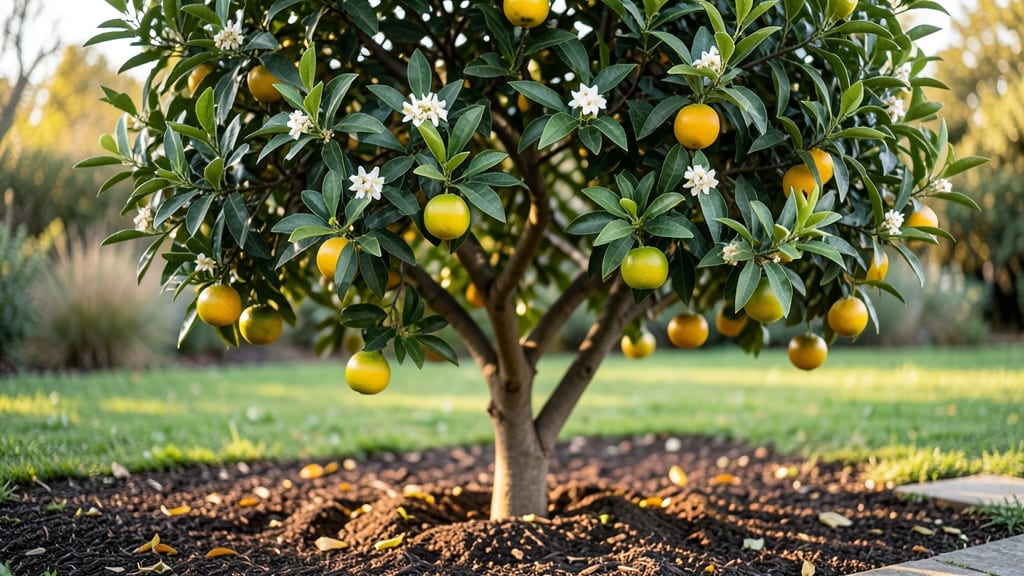
That little tree with little orange berries lighting up your yard might be the star of your landscape—if you know how to care for it. 🌿 I’ve had my fair share of mystery shrubs, and these berry-laden beauties often turn out to be Pyracantha or Cotoneaster, both prized for their vibrant color and wildlife appeal.
The key to keeping them thriving lies in understanding their light, soil, and pruning needs—plus whether those berries are safe for birds (or your kids). Most of these shrubs love full sun to partial shade and well-draining soil, though they’re surprisingly adaptable.
Mine flourishes in a spot where nothing else would grow, proving that even "difficult" plants can be low-maintenance with the right conditions.
Prune in late winter to shape them and encourage dense growth, and watch how they burst with berries by fall—a sight that makes neighbors stop and ask questions.
The real magic happens when you see birds feasting on the berries, or when your yard becomes a magnet for pollinators. These shrubs aren’t just pretty; they’re functional, offering year-round interest with their glossy leaves and winter berries that last until spring. The only catch?
Some varieties have toxic berries, so always double-check before planting near play areas. Whether you’re dealing with Pyracantha’s thorns or Cotoneaster’s sprawling habit, these plants deliver effortless beauty with minimal fuss. Let’s get yours growing like the showstopper it’s meant to be.
Nature’s Odd Fruit Signals
When a tree sprouts clusters of tiny orange berries—especially when they weren’t expected—it’s often a sign of one or more underlying factors. These berries aren’t always the result of a healthy fruit-bearing cycle; they can indicate stress, overgrowth, or even a misidentified plant.
Let’s break down the most common reasons why your tree might be producing these vibrant little orbs.
Many trees with small orange berries (like Pyracantha, Cotoneaster, or Euonymus) rely on pollinators—bees, wind, or even birds—to trigger fruit development. But if pollination fails or is disrupted, the tree may still produce berries as a failed reproductive attempt. Here’s why it happens:
- Lack of pollinators: If bees or butterflies are scarce (due to pesticides, seasonal changes, or urbanization), the tree’s flowers may not be fertilized properly. This leads to underdeveloped or malformed berries.
- Self-pollination issues: Some trees struggle with self-pollination if their flowers aren’t mature enough or if environmental conditions (like humidity or temperature) are off.
- Wind-dependent species: Trees like Hawthorn or Crabapple need wind to carry pollen. In sheltered yards or dense foliage, pollen may not travel efficiently, resulting in sparse or stunted berries.
💡 Pro Tip: If you suspect pollination problems, hand-pollinate flowers with a soft brush or plant companion species that attract pollinators (like lavender or native wildflowers).
Pruning is essential for tree health, but aggressive or improper pruning can trigger stress responses—including the production of berries as a survival mechanism. Here’s how it connects:
- Hormonal imbalances: Cutting back too much growth disrupts the tree’s natural hormone balance (like auxins and cytokinins), which can cause abnormal fruit development. Think of it like a plant’s way of "panicking" and trying to reproduce before conditions worsen.
- Water and nutrient diversion: When a tree is pruned heavily, it redirects energy to regrow leaves or branches instead of maturing fruit. This can lead to small, underdeveloped berries.
- Root damage or transplant shock: If the tree’s roots are disturbed (e.g., during relocation or construction), it may produce berries as a stress signal, even if the plant isn’t fully established.
🔥 Actionable Fix: Prune during the dormant season (late winter/early spring) and never remove more than 25% of the canopy in one go. Water deeply after pruning to reduce stress.
Tiny orange berries can also be a direct response to environmental conditions. Trees are sensitive to changes in their surroundings, and extreme or inconsistent conditions often lead to abnormal fruit production. Key culprits include:
| Factor | Effect on Berries | Solution |
|---|---|---|
| 🌞 Too much sun | Berries may shrivel or stay small due to dehydration or heat stress. | Provide afternoon shade with a light fabric cover or mulch to retain moisture. |
| 💧 Inconsistent watering | Fluctuations cause berries to split, drop early, or remain stunted. | Water deeply 1-2 times per week (depending on soil type) and use mulch to stabilize moisture. |
| ❄️ Late frost | Flowers or young berries may freeze, leading to deformed or tiny fruit. | Cover young trees with frost cloth in spring or choose cold-hardy varieties. |
| 🌬️ Poor air circulation | Fungal diseases (like powdery mildew) can stunt berry growth. | Prune to improve airflow and apply fungicide if needed. |
✨ Bonus Tip: Monitor your tree’s microclimate—berry size often reflects the consistency of care, not just the extremes.
Not all small orange berries are a sign of poor care—sometimes, they’re a symptom of an underlying issue. Pests and diseases can hijack a tree’s energy, leading to abnormal fruit development. Common offenders:
- Spider mites or aphids: These sap-sucking pests weaken the tree, causing flowers to abort or berries to stay tiny. Look for yellowing leaves or webbing as clues.
- Fire blight (bacterial infection): Affects trees like Pyracantha and Crabapple, causing berries to blacken or remain underdeveloped. Prune infected branches 6 inches below the damage and sterilize tools.
- Root rot: Overwatered or poorly drained soil can lead to fungal root infections, starving the tree of nutrients needed for healthy fruit.
👨🍳 Emergency Care: Inspect leaves and stems for pests, and treat with neem oil or insecticidal soap. For diseases, remove affected parts immediately and improve drainage.
Fixing Your Tree’s Orange Berry Woes
Got a tree with little orange berries that aren’t thriving? Whether it’s overgrowth, pests, disease, or just poor care, here’s how to diagnose and solve the issue—step by step.
If your tree is producing too many berries or spreading aggressively, it’s time to prune and manage its growth.
🔪 Prune for Health & Control
- When to prune: Late winter or early spring (before new growth starts).
- How to prune: Use clean, sharp pruners to remove 1/3 of the oldest branches at the base.
Cut just above a bud or branch collar to prevent disease. - Focus areas: - Dead, diseased, or crossing branches (remove first). - Suckers (shoots growing from the base) to redirect energy. - Overly dense areas to improve airflow.
🌱 Prevent Future Overgrowth
- ✨ Mulch properly: Apply 2-4 inches of organic mulch (wood chips, bark) around the base, but keep it 6 inches away from the trunk to avoid rot.
- 💡 Fertilize smartly: Use a balanced, slow-release fertilizer (10-10-10) in early spring.
Avoid over-fertilizing—too much nitrogen can encourage leafy growth over fruit. - 🌡️ Monitor watering: Deep water 1-2 times per week (not daily). Overwatering stresses roots, while underwatering weakens the tree.
Orange berries can signal stress from pests or infections. Here’s how to tackle them.
🐜 Common Pests & Fixes
| Pest | Signs | Solution |
|---|---|---|
| Aphids | Sticky residue, curled leaves | Spray with soapy water or introduce ladybugs. |
| Spider Mites | Yellowing leaves, fine webbing | Mist leaves daily or use neem oil spray. |
| Scale Insects | White/brown bumps on branches | Scrape off manually or apply horticultural oil. |
🍄 Fungal & Bacterial Diseases
- Powdery mildew (white dust on leaves):
- Fix: Spray with baking soda solution (1 tsp baking soda + 1 quart water + a drop of dish soap).
- Prevent: Space trees for good airflow and avoid overhead watering.
- Root rot (mushrooms at base, wilting):
- Fix: Remove infected soil, repot if potted, or improve drainage (add sand/compost).
- Prevent: Use well-draining soil and avoid soggy conditions.
If berries are small, sparse, or discolored, your tree might need a nutrient boost.
📊 Soil & Fertility Fixes
- Test your soil: Use a home soil kit (available at garden centers) to check pH (ideal: 6.0-7.0 for most berry-producing trees).
- Amend soil if needed:
- Too acidic? Add lime.
- Too alkaline? Mix in sulfur or peat moss.
- 💪 Targeted fertilizing:
- For fruiting trees: Use a phosphorus-rich fertilizer (like 5-10-10) in early spring.
- For leafy growth: Switch to nitrogen-heavy (like 12-4-8) in late spring.
🌱 Boost Berry Production
- 🍓 Prune for fruit: Remove weak, inward-growing branches to focus energy on healthy berries.
- 💡 Hand-pollinate (if needed): Gently shake branches on a dry day to help wind pollination.
- 🌿 Companion planting: Add bee-friendly flowers (like lavender or marigolds) nearby to attract pollinators.
If your tree is dropping leaves, oozing sap, or dying back, act fast:
- 🔍 Inspect for damage: Look for cracks, holes, or cankers (sunken, dead spots).
- 🪓 Remove deadwood: Cut out any blackened or mushy branches with sterilized tools.
- 💧 Hydrate deeply: Water slowly at the base over 30 minutes to revive roots.
- 🛡️ Protect from shock: Avoid fertilizing—let the tree recover for at least 2 weeks before treating.
- 📅 Prune annually to maintain shape and health.
- 🌧️ Water consistently—don’t let soil dry out completely.
- 👀 Monitor year-round for early signs of pests/disease.
- 🌱 Choose the right tree next time—research native, low-maintenance varieties suited to your climate.
With these fixes, your tree should bounce back—and those little orange berries will be plump, vibrant, and ready to enjoy! 🍊✨
Frequently asked questions
Are the orange berries on my tree safe for birds?
Most common trees with small orange berries—like Pyracantha and Cotoneaster—are safe and even beneficial for birds! These berries provide vital nutrition during winter when food is scarce. However, never assume all orange berries are safe—some varieties (like Euonymus) are toxic. Always verify before planting near bird feeders or children’s play areas.
Why do my tree’s berries stay small and never grow bigger?
Small berries often mean your tree isn’t getting enough sunlight, water, or nutrients. Check if it’s in partial shade (most need 6+ hours of sun daily) and water deeply 1-2 times per week. Poor soil? Test pH—most prefer 6.0-7.0. Also, over-pruning can divert energy away from fruit production.
Can I eat the berries from my orange berry tree?
Only if it’s a known edible variety! Pyracantha berries are tart and safe for jams, while Cotoneaster varieties like C. microphylla are edible raw. Never eat unidentified berries—many ornamental trees (like Euonymus) are toxic. When in doubt, research the species or consult a local arborist.
How do I keep my orange berry tree from spreading too much?
Prune aggressively in late winter to control growth—remove 1/3 of oldest branches at the base. For suckers (shoots at the base), cut them off immediately. Mulch with 2-4 inches of wood chips (keep 6" from trunk) to suppress new shoots. Some varieties (like Pyracantha) have thorns—wear gloves!
What’s the best time of year to plant a tree with orange berries?
Plant in early spring or fall when temperatures are mild. Avoid extreme heat or frost. Give it well-draining soil and full sun to partial shade. Water deeply 2-3 times per week for the first month, then taper to 1-2 times weekly once established. Most varieties thrive in USDA zones 5-9.