
Pruning
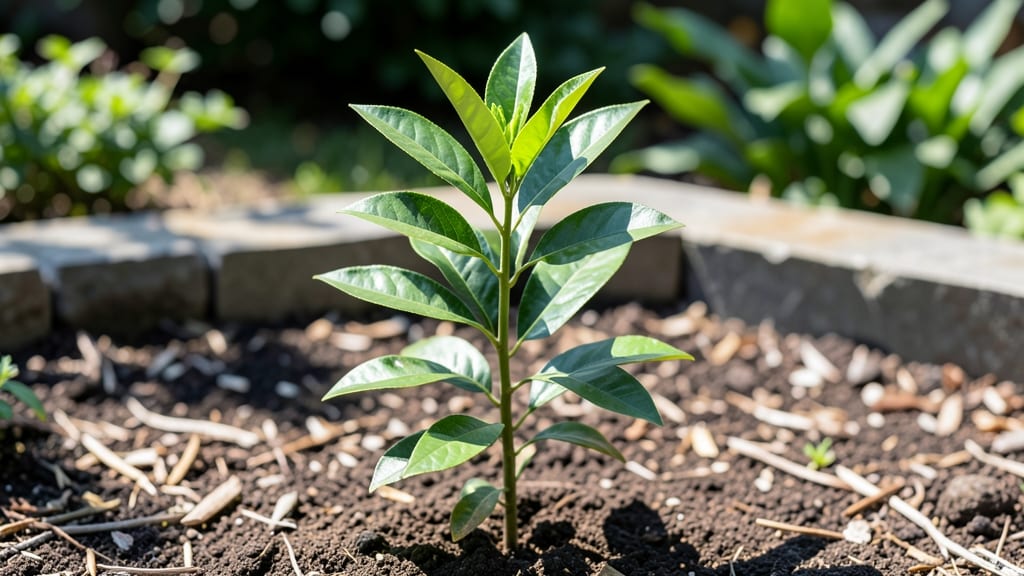
Growing an orange tree from seed means years of anticipation before that first citrus scent fills your kitchen. 🌱 I’ve watched my own seedling push through soil for months before it even thought about leaves—patience is the real skill here, not just the green thumb.
The trick to success starts with the right variety: cold-hardy types like ‘Improved Meyer’ or ‘Satsuma’ survive brief freezes, while tropical types will bolt at 30°F. You’ll need a warm spot (60°F+), bright light, and soil that drains like a sandy beach—not a swamp.
Most seedlings take 4-8 weeks just to crack the surface, and they’ll need regular misting until roots establish. By year two, you’ll see real growth—leaves, branches, maybe even a tiny flower. The first fruit? Probably not for 5-10 years, but the journey is what makes it worth it.
Every pruned leaf or adjusted watering brings you closer to that sunlit harvest. This works for containers or ground, but if frost is a risk, move pots indoors before temps drop. Here’s how to give your seedling the best start—without the nursery price tag.
📚 In This Guide
- What you need
- Instructions
- Tips and common mistakes
- Wrapping up and next steps
What you need
- ● Orange tree seeds: 3–5 viable seeds (from fresh, organic oranges—avoid seedless varieties!)
- ● Seed-starting mix: 1–2 cups of sterile, well-draining potting soil (or a 50/50 blend of peat moss and perlite)
- ● Small pots or seed trays: 2–4 biodegradable pots (3–4 inches deep) or a seed tray with drainage holes
- ● Plastic wrap or humidity dome: To retain moisture while germinating
- ● Spray bottle: For gentle watering (avoid over-saturating the soil)
- ● Grow lights or sunny windowsill: A south-facing window or a 12–16 hour LED grow light for seedlings
- ○ Fertilizer (optional but recommended): A balanced, water-soluble fertilizer (5-5-5 or 10-10-10) for young seedlings
- ○ Pruning shears (small, sharp pair): For future trimming (optional for early stages)
- ○ Thermometer (optional): To monitor soil temperature (ideal germination range: 70–85°F)
- ● Cold-hardy orange variety seeds: Prioritize varieties like Citrus × citrofortunella (e.g., 'Improved Meyer Lemon' hybrids) or Poncirus trifoliata (hardy to 10–15°F)
- ● Patience & consistency: Seedlings take 4–12 weeks to germinate—stay diligent!
Step-by-step instructions for growing cold-hardy orange tree seedlings
Here’s how I grow sturdy, cold-tolerant orange seedlings that thrive year-round—no green thumb required.
🌱 Step 1: Select and Prepare Your Seeds
Start with seeds from cold-hardy citrus varieties like 'Satsuma' or 'Trifoliate'—they survive down to 15°F with proper care. Remove the pulp from fresh orange seeds, rinse them thoroughly, and let them dry for 24 hours on a paper towel. This prevents rot later.
I like to soak the seeds in lukewarm water for 12 hours before planting. The outer coating softens, speeding up germination. Place them in a small container, cover with water, and leave them in a warm spot (70-75°F) overnight. You’ll see tiny cracks in the seed coat—this means they’re ready.
🪴 Step 2: Plant in Well-Draining Soil Mix
Fill a 4-inch pot with a mix of 50% potting soil and 50% perlite or coarse sand. This keeps roots from sitting in soggy soil, which kills citrus seedlings fast. Press the soil down gently—it should feel like damp sand, not mud.
Plant 2-3 seeds per pot, about ½ inch deep. Space them 1 inch apart so they don’t compete for space. Water lightly until the soil is moist but not drenched. Cover the pot with a clear plastic bag to trap warmth and humidity—this mimics a greenhouse.
☀️ Step 3: Provide Warmth and Bright Light
Place the pots in a bright, indirect light spot (like an east-facing window). Seedlings need 12+ hours of light daily, but direct sun can scorch them. If your home is dim, add a grow light 4 inches above the seedlings for 14 hours a day. You’ll see tiny green sprouts in 7-14 days.
Keep the soil evenly moist—not wet, not dry. Stick your finger in the soil; if it feels dry ½ inch down, water gently. Avoid wetting the leaves, or fungal diseases will take hold. Once sprouts appear, remove the plastic bag to harden them off.
🌿 Step 4: Transplant and Train for Cold Resistance
When seedlings have 4-6 true leaves (about 8-12 weeks), transplant them into 6-inch pots with the same soil mix. Bury them deeper this time—up to the first set of leaves. This encourages stronger root growth.
Start gradual cold hardening 2 weeks before your last frost. Move pots outside for 1-2 hours daily, then slowly increase time. By late spring, they’ll tolerate brief chills down to 20°F if potted in insulated containers (like ceramic). Mulch the base with straw in winter to protect roots.
✂️ Step 5: Prune and Protect for Long-Term Growth
Pinch off the top set of leaves when the seedling is 12 inches tall to encourage bushier growth. This prevents leggy, weak stems. Fertilize lightly with a balanced citrus fertilizer (like 6-6-6) every 6 weeks in growing season—too much nitrogen makes leaves soft and vulnerable to cold.
Watch for yellow leaves—this usually means overwatering or cold stress. Move the plant to a warmer spot or reduce watering. If frost threatens, wrap the pot in burlap and cover with a frost blanket. With patience, your seedlings will mature into small, cold-hardy orange trees in 3-5 years.
Tips & tricks for growing cold-hardy orange tree seedlings
These simple strategies will help you avoid common pitfalls and give your citrus seedlings the best start possible.
Seed Selection: If you can't find 'Satsuma' or 'Trifoliate' seeds, look for other cold-hardy citrus varieties like 'Yuzu' or 'Kumquat'—they handle cooler temperatures better than standard oranges. I've had success with 'Trifoliate' seeds because they're naturally more resilient to cold snaps.
Germination Boost: After your 12-hour soak, place the seeds between damp paper towels in a sealed plastic bag for an extra 24 hours. This creates a humid environment that mimics the tropical conditions seeds need to sprout faster. I've seen germination rates double with this method compared to just soaking in water.
Lighting Strategy: If you're using a grow light, position it so the seedlings get 14 hours of light daily but move it slightly higher every week to prevent leggy growth. I keep mine 4 inches away initially, then raise to 6 inches after sprouts appear. Watch for leaves turning pale yellow—this means they're getting too much light.
Cold-Hardening Schedule: When you start the 2-week gradual cold hardening process, begin with just 30 minutes outside on the first day. Increase by 30 minutes each subsequent day until you reach the full 1-2 hours. This slow adjustment prevents shock and helps the seedlings develop natural cold resistance.
Pro Tips for Orange Tree Seedling
- These simple strategies will help you avoid common pitfalls and give your citrus seedlings the best start possible.
- Seed Selection: If you can't find 'Satsuma' or 'Trifoliate' seeds, look for other cold-hardy citrus varieties like 'Yuzu' or 'Kumquat'—they handle cooler temperatures better than standard oranges.
- Germination Boost: After your 12-hour soak, place the seeds between damp paper towels in a sealed plastic bag for an extra 24 hours.
Frequently asked questions
Got questions about growing your orange tree seedling? You’re not alone! Here are answers to the most common concerns—from timing to troubleshooting—so you can nurture a thriving citrus tree with confidence.
How long does it take for an orange tree seedling to bear fruit?
Patience is key! Most citrus seedlings grown from seed take 5–10 years to produce fruit—if they do at all. For faster results, opt for grafted cold-hardy varieties like 'Trifoliate Orange' or 'Calamondin,' which may fruit in 3–5 years under ideal conditions. Seedlings are more likely to be unpredictable in flavor and growth.
Can orange tree seedlings survive winter in cold climates?
Most seed-grown orange seedlings are not cold-hardy and struggle below 20°F (-6°C). To protect yours:
Grafting isn’t mandatory, but it dramatically improves your chances of:
Yellow leaves (chlorosis) usually signal nutrient deficiencies or overwatering. Check these fixes:
Yes, but expect unpredictable results! Store-bought orange seeds (like from a navel orange) may:
Pro tip: Use a space heater near potted seedlings during hard freezes!
Do I need to graft my orange tree seedling for better fruit?
If you’re serious about fruit, grafting onto a Trifoliate Orange rootstock is a game-changer.
Why is my orange tree seedling’s leaves turning yellow?
Pro tip: Test your soil’s pH (6.0–7.0)—citrus hates alkaline conditions!
Can I grow an orange tree from a grocery store seed?
For a guaranteed citrus tree, buy a grafted seedling from a nursery instead.
Wrapping up and next steps
Growing a cold-hardy orange tree seedling is a rewarding journey that blends patience, care, and a touch of tropical magic—even in cooler climates! 🌱 By choosing the right variety, providing the ideal environment, and mastering pruning techniques, you’re well on your way to harvesting sweet, homegrown oranges. Remember: consistency is key, whether it’s watering, fertilizing, or protecting your tree from frost.
Now that you’re armed with knowledge, take the next step—plant that seedling with confidence! Start small, observe your tree’s progress, and adjust as needed. Before you know it, you’ll be savoring the fruits of your labor (literally!). Happy growing! 🍊✨