
Trees
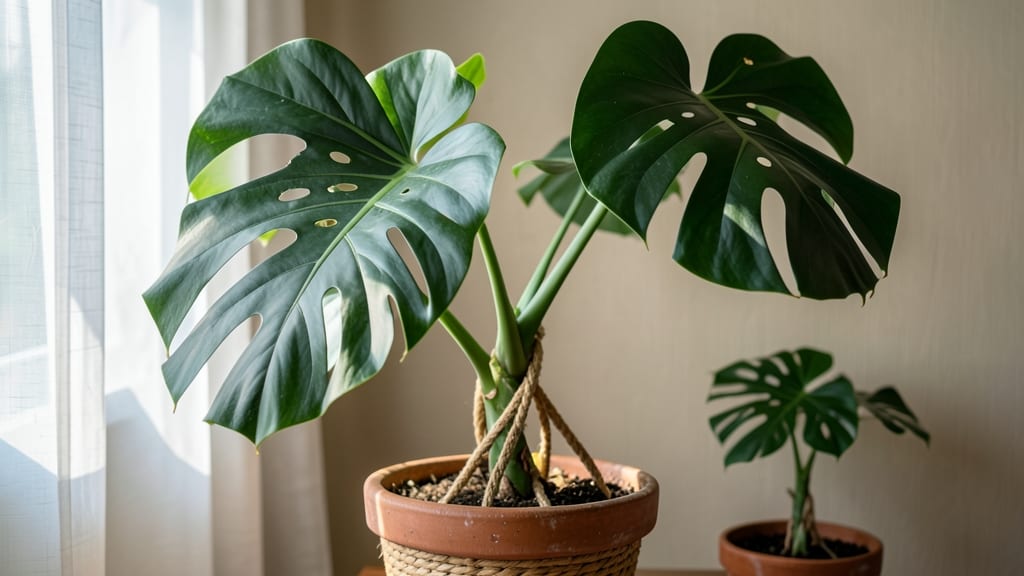
Fast-growing tropical tree types can turn your yard into a lush, private oasis in just a few years. 🌿 I planted my first one after years of struggling with flimsy fences—now I’ve got a wall of green that’s both beautiful and functional.
These trees thrive in warm climates but can handle mild winters with the right care, giving you that tropical vibe without the tropical headaches.
The key is picking the right species for your zone. Mango trees grow 15-20 feet per year and provide shade and fruit, while bamboo shoots up 3-5 feet annually but needs containment.
For pure privacy, the Australian Melaleuca (paperbark tree) grows 4-6 feet per year and handles humidity like a champ. Each has its own care quirks—some love wet feet, others need well-draining soil—but all deliver that instant tropical feel.
By year three, you’ll have a living screen that blocks noise, filters air, and makes neighbors jealous. The best part? These trees don’t just grow fast—they stay lush year-round, turning your yard into a green escape.
Just pick your favorite, prep the soil, and watch it transform before your eyes. Ready to get started?
Whether you’re in Florida, California, or a warm microclimate elsewhere, these varieties adapt surprisingly well. Just avoid planting near foundations (some roots are aggressive!) and water deeply the first year. The payoff? A private, tropical paradise in 3-5 years—not decades. Worth the wait?
📚 In This Guide
- What you need
- Instructions
- Tips and common mistakes
- Wrapping up and next steps
What you need
- ● Tropical tree saplings: 5–10 plants (depending on desired density; popular fast-growing options: Leucaena leucocephala (Leucena), Albizia saman (Rain Tree), Delonix regia (Flamboyant), or Casuarina equisetifolia (Horse Tail Tree)).
- ● Size: 3–6 feet tall (container-grown or bare-root).
- ● High-quality potting mix or soil: 50–100 lbs (for in-ground planting) or 1–2 bags (2–3 cubic feet each) of well-draining, tropical-friendly mix (e.g., 60% topsoil, 30% compost, 10% perlite/sand).
- ● pH: 5.5–7.5 (test kit recommended for accuracy).
- ● Organic mulch: 2–3 cubic feet (e.g., wood chips, pine straw, or coconut coir).
- ● Fertilizer: Slow-release balanced fertilizer (10-10-10 or 8-3-9) or organic options (e.g., composted manure or worm castings).
- ● Quantity: 1 lb per 100 sq ft of planting area.
- ● Watering supplies: Hose with soaker nozzle or drip irrigation kit (for deep, consistent watering).
- ● 5–10 gallons of water per tree (initially; adjust based on climate).
- ● Digging tools: Shovel (18–24 inches wide for mature trees).
- ● Trenching shovel or post-hole digger (for deeper roots).
- ● Measuring & marking: Tape measure, stakes, and string (to map planting layout).
- ● Spade or garden rake (for leveling soil).
- ● Safety gear: Gloves (gardening or heavy-duty), closed-toe shoes, and safety glasses (for handling sharp tools or mulch).
- ○ Optional (but helpful!): Soil moisture meter ($10–$20; prevents over/under-watering).
- ● Tree stakes & tie-down straps (for windy areas).
- ● Pruning shears (bypass-style for clean cuts).
- ● Location: Full sun (6+ hours/day) or partial shade (depending on tree type; verify before planting!).
- ● Climate zone: USDA Hardiness Zones 10–12 (or tropical/subtropical regions). Check frost risk!
- ● Space: Minimum 10–20 feet apart (for mature growth; adjust for smaller varieties).
- ● Local regulations: Confirm permit requirements for large trees or invasive species (e.g., Leucena).
- ● Water access: Ensure drip irrigation or hose reach to planting area.
How to select and plant fast-growing tropical trees for privacy
Here’s how I choose and establish tropical trees that deliver quick, lush privacy within just a few years.
🌱 Step 1: Choose Fast-Growing Tropical Species for Your Climate
Opt for varieties that thrive in your hardiness zone and grow 3-5 feet per year—like Australian Bottle Trees (Brachychiton rupestris), Pond Apple (Annona glabra), or Gumbo Limbo (Bursera simaruba). These handle humidity well and tolerate brief cold snaps if planted near structures for wind protection. Avoid slow growers like Mango (Mangifera indica), which take years to mature.
Check the tree’s mature height—20-30 feet is ideal for privacy screens. Smaller varieties like Dwarf Schefflera (Schefflera arboricola) work for urban spaces but won’t block views as effectively. I always verify a species’ growth rate and light needs (full sun vs. partial shade) before purchasing, as these determine how quickly you’ll see results.
☀️ Step 2: Plant in Well-Draining Soil with Full Sun Exposure
Dig a hole twice as wide as the root ball but no deeper—this prevents root suffocation. Amend the native soil with 2-3 inches of compost mixed into the bottom of the hole to boost drainage, especially if your area has heavy clay. Tropical trees despise soggy roots, so raised beds work well in wet climates.
Position the tree so the root flare (where roots meet trunk) sits 1-2 inches above ground level. Backfill with native soil mixed with compost, tamping lightly to eliminate air pockets. Water deeply to settle the soil—you’ll see the surface darken when moisture reaches the roots. Mulch with 3 inches of organic mulch (like pine bark) to retain moisture and suppress weeds, but keep mulch 6 inches away from the trunk to prevent rot.
💧 Step 3: Water Deeply and Frequently During Establishment
New tropical trees need 1-2 inches of water per week for the first 6-12 months, more in extreme heat. Water slowly at the base (not overhead) to encourage deep root growth. You’ll know you’re doing it right when the soil feels moist 6 inches down—use a trowel to check. Overhead watering wastes moisture and spreads fungal diseases like root rot or anthracnose, which are common in tropical species.
Reduce watering gradually after the first year as roots establish. Mature trees usually tolerate drought better, but leaf scorch (brown edges) signals underwatering. If you see this, increase watering immediately—tropical trees recover poorly from stress once leaves crisp.
✂️ Step 4: Prune Strategically for Shape and Health
Prune only in late winter or early spring before new growth begins. Remove dead, diseased, or crossing branches first—these compete for nutrients and invite pests. For privacy screens, I thin out 20-30% of the canopy annually to improve airflow and reduce fungal risks. Avoid heavy pruning in summer; tropical trees produce fast new growth, but late-season cuts often don’t harden off before winter.
Shape the tree gradually by trimming just outside the branch collar (the swollen area where the branch meets the trunk). Use clean, sharp pruners to make cuts at a 45-degree angle—this prevents ragged tears that invite disease. If you’re pruning for height control, never cut more than 1/3 of the canopy in one session, or the tree may produce weak regrowth.
⏰ Step 5: Monitor for Pests and Adjust Care Seasonally
Tropical trees attract scale insects, spider mites, or mealybugs—check the undersides of leaves weekly. Treat infestations early with neem oil or horticultural soap, applied in the early morning or evening to avoid burning foliage. I also inspect bark for signs of borers, which tunnel into trunks; if you spot sawdust-like frass, treat with beneficial nematodes or systemic insecticide.
In winter, reduce watering by 30-50% unless temperatures stay above 40°F—many tropical trees enter dormancy-like slow growth and rot if overwatered. Fertilize lightly in early spring with a balanced 10-10-10 formula to support new growth, but avoid heavy applications in summer, which can scorch roots.
Tips & tricks for fast-growing tropical trees
Real talk: Fast-growing tropical trees are a game-changer for privacy, but only if you pick the right species and give them the right conditions. Here's what I've learned from years of trial and error.
Species Selection Matters: When choosing between Australian Bottle Trees, Pond Apple, or Gumbo Limbo, consider your climate's humidity levels and cold tolerance. The 3-5 feet per year growth rate is only achievable if the tree is suited to your microclimate. I always check the mature height too—20-30 feet is ideal for complete privacy, but if space is limited, Dwarf Schefflera might be a better fit for urban areas. Remember, these fast growers need full sun to reach their potential growth rate.
Soil Prep is Non-Negotiable: The 2-3 inches of compost mixed into the planting hole is crucial for drainage, especially in clay-heavy soils. I've seen too many tropical trees fail because their roots suffocated in compacted soil. For wet climates, consider raised beds—they're a tropical tree's best friend. And that root flare? Keep it 1-2 inches above ground level—burying it too deep will strangle your tree before it even starts growing.
Watering Wisdom: Those 1-2 inches of water per week during the first 6-12 months are non-negotiable. I use a trowel to check soil moisture 6 inches down—if it's dry, water again. The key is slow, deep watering at the base to encourage strong root development. Overhead watering is a recipe for disaster—it wastes water and spreads fungal diseases that tropical trees are particularly susceptible to.
Pruning Precision: That 20-30% canopy thinning I mentioned? It's not just about aesthetics—it improves airflow and reduces fungal risks. When shaping your tree, always cut just outside the branch collar at a 45-degree angle. I've made the mistake of cutting too close to the trunk, which creates wounds that invite disease. And remember: never prune more than 1/3 of the canopy in one session, or you'll stress your tree.
Pro Tips for Tropical Tree Types
- Real talk: Fast-growing tropical trees are a game-changer for privacy, but only if you pick the right species and give them the right conditions.
- Species Selection Matters: When choosing between Australian Bottle Trees, Pond Apple, or Gumbo Limbo, consider your climate's humidity levels and cold tolerance.
- Soil Prep is Non-Negotiable: The 2-3 inches of compost mixed into the planting hole is crucial for drainage, especially in clay-heavy soils.
Frequently asked questions
Got questions about tropical trees? You’re not alone! Here are some of the most common queries—plus quick, practical answers to help you pick the perfect fast-growing variety for your privacy needs.
Which tropical trees grow the fastest for privacy?
Look for Leucaena leucocephala (White Popinac) or Albizia lebbeck (Silk Tree)—both can grow 6–12 feet per year under ideal conditions. For dense foliage, Psidium guajava (Guava) is another top pick, though it’s slightly slower (3–5 feet annually). Always check local climate suitability!
How soon will I see privacy from my tropical trees?
Fast growers like Samanea saman (Rain Tree) can provide moderate privacy in 1–2 years and full coverage in 3–5 years. Slower varieties (e.g., Ficus benjamina) may take 5+ years for dense screening. Plant in clusters to speed up results!
Do tropical trees need extra watering?
Yes! Most tropical trees thrive with deep watering 2–3 times per week for the first year, then weekly during dry spells. Mulch around the base to retain moisture. Overwatering can cause root rot, so ensure well-draining soil—especially in humid climates.
Can I grow tropical trees in containers?
but choose dwarf varieties like Dwarf Schefflera or Miniature Citrus Trees. Use large pots (15+ gallons) with drainage holes and tropical potting mix. Expect slower growth (1–2 feet/year) and year-round container care (fertilizer, pruning, and winter protection if needed).
Are tropical trees safe for pets or kids?
Some are toxic—avoid Mango or Avocado trees (both contain persin). Pet-safe options include Bougainvillea or Hibiscus, but always research specific varieties. Keep fallen leaves/debris out of reach, as some can cause stomach upset if ingested.
Will tropical trees survive cold snaps?
Most tropical trees won’t tolerate frost (below 30°F). If you live in a marginal climate, opt for hardier varieties like Coffee Trees (tolerate brief chills) or grow them in containers for winter relocation. Wrap young trees in burlap and mulch heavily for extra protection.
Wrapping up and next steps
From towering mahoganies to lush bamboo and fragrant frangipani, tropical trees offer a stunning blend of speed, beauty, and year-round privacy. Whether you're restoring a coastal landscape or simply craving a lush, green retreat, these fast-growing varieties deliver both practical and aesthetic rewards.
Now that you’re armed with the best options and care tips, why not take the next step? Sketch your dream garden layout today—and let these tropical giants transform your outdoor space into a serene, sun-drenched paradise! 🌿✨