Plants
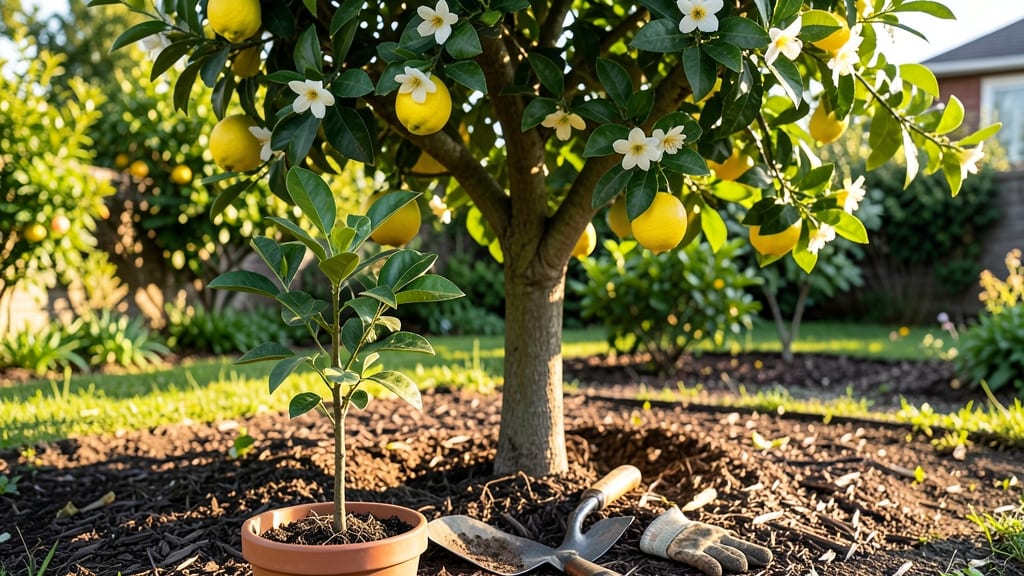
The best time to plant a lemon tree in California is late winter to early spring 🍋 — when soil temperatures rise and frost risks fade, setting your citrus up for a strong start.
California’s diverse microclimates—from coastal fog to desert heat—can make or break your lemon tree’s success. Planting at the wrong time risks stunted growth, frost damage, or even death, but timing it right guarantees a thriving citrus orchard.
Whether you’re in frost-prone inland areas like Sacramento or milder coastal zones like San Diego, the ideal window shifts slightly. Here’s how to align your planting with your county’s unique conditions for the best harvest.
You’ll learn how soil temperature, frost risk, and even container planting tweak the schedule—and why March to April is the sweet spot for most of the state.
Optimal planting windows for lemon trees by California county
California’s diverse microclimates create unique challenges and opportunities for growing lemon trees. From the coastal fog of San Diego to the intense heat of the Central Valley, each region demands a tailored approach.
Planting outside the ideal window can lead to stunted growth or even tree death, but following these county-specific guidelines ensures your lemon tree thrives from the start.
Lemon trees thrive in USDA Zones 9-11, but California’s microclimates create variations even within these zones. Coastal areas like Los Angeles and San Francisco enjoy milder winters, while inland regions like Fresno and Bakersfield face occasional frost risks.
Understanding your local frost dates and soil temperatures is key to selecting the perfect planting window.
| Region | Best Planting Window | Frost Risk | Soil Prep Tip | Sunlight Needs |
|---|---|---|---|---|
| Coastal (LA, San Diego, SF) | Late February - April | Minimal (rare below 32°F) | Amend sandy soil with compost | 6-8 hours daily |
| Central Valley (Sacramento, Fresno) | March - Early May | Moderate (occasional 28°F) | Test pH (6.0-7.0) and add lime if needed | 8+ hours daily |
| Desert (Palm Springs, Coachella) | January - March | Low (rare frost) | Use mulch to retain moisture | Full sun (10+ hours) |
| Northern (Redding, Chico) | April - May | High (below 28°F common) | Plant in containers for mobility | 6-8 hours daily |
| Southern (San Diego, Riverside) | February - April | Very Low (rare frost) | Add organic matter to sandy soils | 6-8 hours daily |
For coastal regions, planting between late February and April takes advantage of mild winters and consistent rainfall. The cooler ocean breezes help prevent heat stress, making this the ideal window.
In San Diego and Los Angeles, you can even plant year-round in microclimates with no frost risk, but spring planting yields the best results.
In the Central Valley, where frost risk increases, aim for March to early May planting. This window ensures your lemon tree establishes roots before potential late-spring frosts.
Test your soil’s pH level (6.0-7.0) and amend with lime if needed, as Central Valley soils often test acidic. Sacramento and Fresno gardeners should monitor local frost forecasts and delay planting if unseasonable cold is predicted.
The desert regions of California, including Palm Springs and Coachella Valley, offer unique advantages for lemon tree cultivation. Planting between January and March capitalizes on the region’s mild winters and intense sunlight.
Desert soils often lack organic matter, so mulching heavily helps retain moisture and regulate soil temperature. 10+ hours of sunlight is ideal here, as the trees can handle the heat better with proper water management.
Northern California’s frost-prone areas, like Redding and Chico, require the latest planting window of April to May. These regions experience harder frosts (often below 28°F), so container planting offers flexibility to move trees indoors during winter.
If planting in-ground, choose a sheltered microclimate near a south-facing wall to maximize warmth. Eureka lemons are more cold-hardy than Meyer lemons, making them a better choice for these areas.
Southern California’s mild climate allows for a slightly extended planting window from February to April. Regions like San Diego and Riverside rarely experience frost, making them ideal for year-round planting if you’re willing to care for a young tree during summer’s peak heat.
Focus on well-draining soil to prevent root rot, especially in the sandy soils common to this region. Meyer lemons
Signs your county’s climate is ready for lemon tree planting
Don’t rely on a calendar to plant your lemon tree—California’s microclimates demand smarter timing. The perfect window depends on soil warmth, native plant cues, and even local fog patterns.
Coastal areas like San Diego thrive with early spring plantings, while inland zones like Fresno need to wait until after last frost dates (even if rare). Here’s how to read your climate’s signals.
Start by testing your soil temperature—ideal for lemon trees is 60-65°F at 4 inches deep. Use a soil thermometer for 3 consecutive days. If your soil heats up faster than native ceanothus blooms (a drought-tolerant shrub), your climate is ready.
Coastal fog delays warming, so plant 2-3 weeks later than inland areas with similar latitudes.
🌱 5 Key Signs Your Climate Is Ready
- 🌡️ Soil temp hits 60-65°F at 4" depth for 3+ days
- 🌸 Native ceanothus or toyons bloom in your area
- ☀️ Daytime highs consistently exceed 65°F (coastal: +10°F buffer)
- 🌬️ Fog lifts by 10 AM daily (coastal indicator)
- 🍂 No frost predicted for 6 weeks (check USDA Zone 9+)
Pro Tip: Inland areas (e.g., Central Valley) can plant 2 weeks earlier than coastal zones like Monterey.
Watch for native plant blooms like ceanothus or manzanita—their flowers signal stable warmth consistency. In desert regions (e.g., Riverside), plant when palm trees unfurl new fronds. Coastal gardeners should wait until morning fog burns off by 10 AM, as persistent moisture delays root establishment.
Microclimates matter more than latitude. A south-facing slope in Los Angeles County may warm 2 weeks earlier than a valley floor just 10 miles away. Use a minimum thermometer to track nighttime lows—lemon trees tolerate 28°F but grow poorly below 50°F.
If your thermometer dips below 55°F at night, delay planting.
For container-grown trees, timing shifts slightly. Plant when your local nursery stocks bare-root lemons (typically February-March), but harden off potted trees 2 weeks earlier to acclimate roots. In high-desert areas (e.g., Inyo County), wait until April to avoid late-spring frosts that can blacken new growth.
Your last step: Monitor leaf drop in established citrus trees nearby. If 20%+ of leaves yellow and fall by March 15, your climate is primed.
Pair this with well-draining soil (amend with compost if clay-heavy) and full sun (6+ hours daily), and you’ve nailed the perfect planting window for your county’s unique climate.