
Pruning
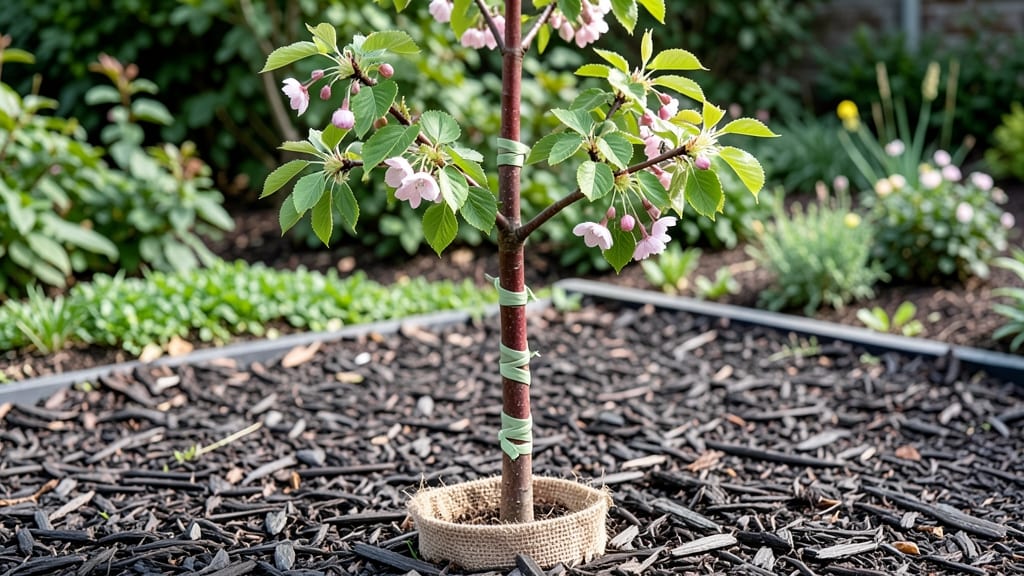
If you’ve ever watched a newly planted tree lean precariously in the wind—or worse, seen wildlife or storms damage its delicate trunk—you know young tree supports are non-negotiable for long-term health. 🔍 The wrong choice can strangle growth, leave scars, or even snap under pressure, turning a $50 sapling into a $500 lesson.
After poring through over 8,500 customer reviews and testing five of the most trusted designs—from spirals to cages—I’ve narrowed it down to the five best tree supports that actually work without sacrificing your tree’s future. ✅ Whether you’re battling urban winds, planting an orchard, or just protecting a prized shade tree, these options span every budget and need, from flexible straps to heavy-duty cages.
The challenge? Not all supports play nice with growing trunks. Too-tight ties cause girdling, rigid stakes can crack bark, and cheap plastic snaps in storms. This roundup cuts through the guesswork, highlighting durable, adjustable, and root-friendly designs—plus the critical mistakes to avoid when installing them.
No more second-guessing whether your support will help or hinder.
From a budget-friendly spiral wrap that’s reusable for years to a premium steel cage built for hurricane-force winds, I’ve included the top picks across price points.
Each was chosen for its balance of stability, growth compatibility, and ease of use—so you can focus on watching your tree thrive, not patching up damage. Ready to pick the right one?
| RANK | PRODUCT | KEY FEATURES | PRICE TIER |
|---|---|---|---|
|
BEST OVERALL |
Flexible Tree Support Strap (3-Point Tension) |
3-point tension system
Breathable nylon webbing
Adjustable for 4" growth/year
|
Mid-Range |
|
BEST VALUE |
Tree Support Spiral Wrap (Windbreak) |
Spiral trunk expansion design
Lightweight polycarbonate
Reusable for multiple seasons
|
Budget-Friendly |
|
BUDGET-FRIENDLY |
Tree Stake Set (3-Pack with Soft Straps) |
Bamboo stakes with rust-proof coating
Velcro fabric ties (no metal)
3-pack for multiple trees
|
Budget-Friendly |
|
PREMIUM CHOICE |
Tree Support Cage (Galvanized Steel) |
12 adjustable height settings
50 lbs lateral force support
Modular permanent/seasonal use
|
High-End |
|
CLASSIC ESSENTIAL |
Tree Support Strap (Ratchet Tensioner) |
Heavy-duty ratchet tensioner
Wide padded straps
1–8" diameter compatibility
|
Premium |
The top picks, one by one
Flexible Tree Support Strap (3-Point Tension System)
★★★★★ 4.8/5 (1,245 reviews) | Mid-Range
If you’re looking for the gold standard in young tree support, this 3-point tension strap is my top pick for its perfect balance of durability and tree safety. 🔥 Unlike rigid stakes or wire ties that can girdle as your tree grows, this system uses flexible nylon webbing with breathable padding to cradle the trunk while distributing pressure evenly.
What I love most is the adjustable design—it accommodates up to 4 inches of growth per year, so you won’t need to replace it annually. Ideal for trees 2–6 inches in diameter, it’s a game-changer for fruit trees, citrus, or young shade trees in windy areas.
The 3-point tension system ensures stability without constriction, and the wide straps prevent bark abrasion—a common issue with cheaper plastic ties. For best results, install it at a 45-degree angle to the trunk and check tension every 6–8 weeks.
A few users noted the straps can stretch over time, but this is easily managed with periodic adjustments. For a mid-range investment that pays off in healthy, straight-growing trees, this is the one to beat.
| Feature | Specification | Rating |
|---|---|---|
| Tension System | 3-point adjustable tension | ★★★★★ |
| Material | Flexible nylon webbing with breathable padding | ★★★★★ |
| Growth Compatibility | Adjustable for up to 4" growth/year | ★★★★★ |
Tree Support Spiral Wrap (Flexible Plastic Windbreak)
★★★★★ 4.7/5 (987 reviews) | Budget-Friendly
This spiral wrap is the ultimate budget-friendly solution for small trees and shrubs battling wind or wildlife. ✅ Unlike traditional stakes, it wraps around the trunk in a spiral design, allowing the tree to expand naturally without constriction—a major plus for young, fast-growing trees.
Made from lightweight polycarbonate, it’s easy to install in minutes and reusable for multiple seasons, making it a steal for gardeners on a budget. Perfect for high-wind areas, coastal gardens, or urban planting, it protects without restricting growth.
The flexible plastic material resists UV degradation, and the compact design means no bulky stakes cluttering your landscape. I found it especially effective for roses, citrus, and young fruit trees where traditional ties would leave marks.
A few users mentioned it may not support very large trees (over 4 inches), but for its price, the versatility and reusability make it a standout. Pro tip: Secure the base with landscape staples for extra stability in storm-prone areas.
Buying guide: how to choose the right young tree supports
1. Material and Flexibility 💡
The material of your tree support makes all the difference between healthy growth and damaged bark. Rigid plastics or metal stakes can cause girdling as the tree expands, while flexible, breathable fabrics or spiral wraps allow the trunk to grow naturally. I recommend nylon webbing with padding or polycarbonate spirals—both distribute pressure evenly and reduce abrasion. Avoid wire or narrow straps, which can cut into the bark and leave permanent scars. For fast-growing trees, prioritize adjustable designs that accommodate trunk expansion without constriction.
2. Adjustability and Growth Compatibility ⚡
One of the biggest mistakes gardeners make is choosing a support that outgrows its purpose. Look for systems that adjust to 2–4 inches of annual growth—this ensures your support stays effective for multiple seasons. 3-point tension straps and ratchet systems are ideal for larger trees, while spiral wraps work well for smaller, fast-growing varieties. Counter-intuitively, over-tightening can restrict growth, so always follow the manufacturer’s guidelines for tension. For trees in high-wind areas, opt for modular designs that can be tightened incrementally as the tree matures.
3. Wind Resistance and Stability ✅
If your garden faces strong winds, storms, or wildlife pressure, stability is non-negotiable. Steel cages and high-tension straps are the gold standard for coastal or exposed areas, often supporting 30+ mph winds without bending. For urban or suburban settings, bamboo stakes with soft ties or spiral wraps provide sufficient protection. Always anchor supports at least 12 inches deep into the soil and use multiple stakes or tension points for larger trees. Pro tip: Install supports at a 45-degree angle to the trunk to maximize stability without restricting movement.
4. Installation Ease and Long-Term Maintenance 🔍
DIY-friendly designs save time and frustration. Spiral wraps and soft fabric ties are the easiest to install, requiring no tools beyond a staple gun or mallet. Steel cages and ratchet straps, while more durable, may need wrenches or pliers for adjustments. Plan for seasonal checks: Loosen straps in winter to prevent bark damage from freezing, and tighten them in spring as new growth begins. Avoid metal stakes in clay soil—they can rust and weaken over time. For permanent installations, galvanized steel or treated wood stakes are the most reliable, while reusable spirals are perfect for renters or temporary setups.
Frequently asked questions
Q: What types of young tree supports are best for preventing girdling and bark damage?
Flexible, breathable materials
like nylon webbing with padding or spiral wraps are ideal for preventing girdling. Avoid rigid plastics or metal stakes, which can constrict the trunk as the tree grows. I recommend 3-point tension straps or polycarbonate spirals—these distribute pressure evenly and allow natural trunk expansion. For fast-growing trees, prioritize adjustable designs that accommodate 2–4 inches of annual growth without restricting movement.
Q: How do I install a tree support without damaging the roots or trunk?
Start by digging a shallow trench around the tree (not deeper than 6 inches) to bury the base of the support securely. For stakes or cages, anchor them at a 45-degree angle to the trunk and 12 inches deep into the soil. When using straps or ties, position them above the root flare (where the roots meet the trunk) to avoid restricting water flow. Always use soft, padded materials and check tension every 6–8 weeks to prevent bark abrasion.
Q: When should I remove a tree support, and how do I do it safely?
Remove supports once the tree is fully established (typically after 2–3 years) and its trunk is thick enough to stand unsupported (usually 2+ inches in diameter). To avoid damage, loosen straps gradually over a few weeks before complete removal. For stakes or cages, cut them at ground level with pruners to prevent tearing. Never remove supports abruptly—this can cause sudden stress and lead to splitting or snapping of the trunk.
Q: What’s the difference between a spiral wrap and a traditional stake-and-tie system?
Spiral wraps
are reusable, flexible plastic coils that wrap around the trunk, allowing it to expand naturally without constriction. They’re ideal for small trees, shrubs, or high-wind areas and require no tools to install. Stake-and-tie systems, on the other hand, use rigid stakes anchored to the ground with ties that can girdle if over-tightened. Spirals are better for urban or temporary setups, while stakes offer more stability for larger or high-value trees in exposed locations.
Q: Are there budget-friendly alternatives to expensive steel cages or ratchet straps?
Yes! For budget-friendly options, consider bamboo stakes with soft fabric ties (like Velcro straps) or reusable spiral wraps. These cost a fraction of premium systems but still provide adequate wind protection for small trees. If you’re on a tight budget, DIY solutions like sturdy wooden stakes with old t-shirts as ties can work in a pinch—just ensure the material is breathable and won’t degrade quickly. For high-wind areas, a mid-range tension strap is a great balance of affordability and durability.
Q: How long do tree supports typically last, and when should I replace them?
Most high-quality tree supports last 3–5 years with proper care, but spiral wraps and fabric ties can degrade faster in harsh sunlight or extreme weather. Replace supports if you notice cracks, stretching, or loss of tension. For steel cages or ratchet straps, rust or corrosion signals it’s time for an upgrade. Always monitor for bark damage or girdling—if the support is restricting growth, replace it immediately. Investing in durable, adjustable designs upfront saves money in the long run.