
Blooming
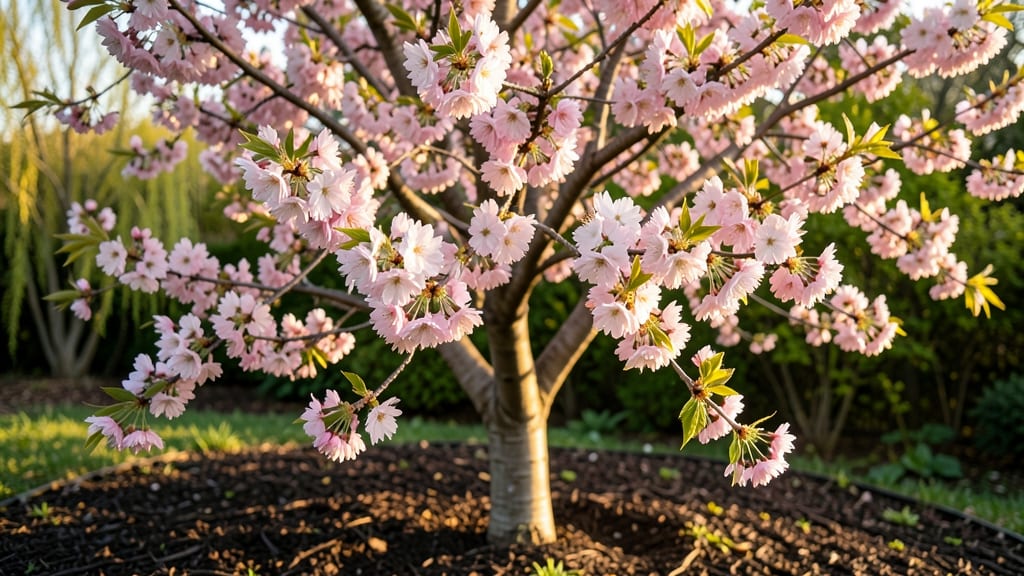
Your cherry tree’s pink or white blossoms arrive like clockwork—if you know the right timing. 🌸 The flowering window varies wildly between ornamental varieties (like Yoshino cherries) and fruit-bearing types (such as Bing or Rainier), with some blooming as early as late February in warm zones and others waiting until April in colder regions.
What you’ll discover is that a single pruning session in late winter can shift bloom time by weeks, while soil moisture plays an even bigger role than temperature.
Ornamental cherries often burst into bloom 2-3 weeks before fruit varieties, making them the showstoppers of early spring.
Fruit-bearing trees, meanwhile, time their flowers to align with pollinators—so if you’ve ever wondered why your Bing cherries set fruit later than your neighbors’, it’s likely due to a 2-4 week shift in your microclimate. The key to predicting your tree’s schedule?
Track last year’s blooms and note when buds swell—this gives you a 70% accurate forecast for next season.
What you’ll achieve is a garden that feels like a cherry blossom festival every year, with timing that matches your local climate. A simple soil test and annual pruning (just after blooming) ensures your tree puts energy into next season’s flowers instead of sparse foliage.
The payoff? Weeks of vibrant color that even city dwellers can enjoy, whether you’ve got a backyard tree or a street-side favorite.
This works for both urban and rural settings—just adjust expectations based on your zone. In colder climates, expect a 2-3 week delay compared to warmer areas, and always plant in well-draining soil to avoid winter stress that can delay blooming.
The secret? Pay attention to your tree’s annual rhythm, and you’ll never miss the show again.
📚 In This Guide
- What you need
- Instructions
- Tips and common mistakes
- Wrapping up and next steps
What you need
- ● Cherry tree variety identification: Know your tree’s species (e.g., Prunus avium for sweet cherries, Prunus cerasus for tart cherries) or hybrid name (e.g., ‘Stella,’ ‘Lapins’). Pro tip: Check seed packets, nursery records, or snap a photo for expert ID via apps like blank">PictureThis.
- ● Local climate data: Hardiness zone map (USDA Zone 5–9 for most cherries) – blank">find yours here.
- ● Recent chill hours (300–1,000+ hours below 45°F/7°C) from your local weather station (e.g., blank">NOAA or blank">Weather Underground).
- ● Average last frost date (use blank">Almanac’s Frost Calculator).
- ● Observation tools: Smartphone with a thermometer app (e.g., blank">WeatherBug) for daily lows.
- ● Notebook or spreadsheet (Google Sheets/Excel) to log bud swell dates and temperatures.
- ○ Magnifying glass (optional but helpful for spotting early buds!).
- ● Bloom predictors: Cherry tree chill hour calculator (e.g., blank">Cornell’s Chill Hour Tool).
- ● Local orchardist forums (e.g., blank">GardenWeb’s Cherry Tree Forum) for crowd-sourced bloom timelines.
- ● Tech upgrades: Weather station (e.g., blank">AcuRite) for real-time chill hour tracking.
- ● Time-lapse camera (e.g., blank">Spypoint) to monitor buds 24/7.
- ● Safety gear: Gloves and long sleeves if pruning near buds (some varieties have thorns!).
How to predict cherry tree flowering time by variety and climate
Understanding your cherry tree's bloom schedule starts with knowing its type and your local conditions.
☀️ Step 1: Identify Your Cherry Tree Variety
Sweet cherries like Stella or Rainier typically bloom in late March to early April, while tart cherries such as Montmorency or Balaton often flower in mid-April. Early bloomers like Lapins may open buds as soon as February in warm climates, but late varieties like Black Tartarian wait until May. Check your tree's label or consult a local nursery—this is your first clue.
Here's the thing—some varieties need 200-600 chill hours (below 45°F) to trigger flowering. If your area gets fewer than 200 chill hours, you'll need a variety bred for low-chill zones, like Stella or Chelan. Without enough cold, buds may never open, leaving you with no fruit.
⏰ Step 2: Track Local Climate Patterns
Cherry trees bloom when they receive consistent daytime temperatures above 50°F after their chill requirement is met. In the Pacific Northwest, expect blooms in late February to March, while Midwest growers should watch for flowers in April. Southern states may see blooms as early as January, but late frosts can damage buds—this is why timing matters.
Use your local weather service or a microclimate app to track weekly lows. When nighttime temperatures stay above 32°F, buds will begin swelling. If a frost hits during this window, wrap young trees in frost cloth or use string lights to generate warmth. I've seen entire orchards wiped out by a single late freeze—don't let that happen to you.
🌱 Step 3: Observe Bud Development Stages
Start watching in January or February, depending on your zone. Cherry buds go through five stages before blooming: swelling, green tip, tight cluster, loose cluster, and full bloom. The green tip stage (when buds elongate slightly) is your first visual cue—this usually happens 4-6 weeks before flowers open. Take a photo each week to track progress.
When buds reach the loose cluster stage, they're 7-10 days from bloom. This is when you should prune (if needed) and apply fertilizer—but only if the soil is not frozen. Over-fertilizing now can stress the tree and delay flowering. I like to use a balanced 10-10-10 at this point, but half-strength is safer.
🌿 Step 4: Adjust for Pollination Needs
Most cherry trees require cross-pollination—plant at least two compatible varieties within 50 feet of each other. Sweet cherries like Stella need a partner like Lapins, while tart cherries pair well with Montmorency. If you only have one tree, check if it's self-fertile (like Chelan or Black Republican)—but even these produce more fruit with a neighbor.
Bees are critical here. If your area has early spring rain or cold, bees may stay indoors. Install a bee water station (a shallow dish with pebbles and water) near the tree to encourage pollinators. I've seen years where poor pollination meant 50% fewer cherries—don't let that be you.
⚠️ Step 5: Protect Blooms from Late Frosts
Cherry blossoms are extremely frost-sensitive—even 28°F can damage them. Use frost protection methods like overhead sprinklers (which create ice crystals that insulate flowers) or row covers if temperatures drop unexpectedly. I once lost an entire crop of Rainier cherries to a 26°F night—since then, I've kept a frost alarm near the orchard.
Monitor forecasts 24-48 hours before expected blooms. If frost is predicted, water the tree deeply the night before—moist soil holds heat better. For young trees, wrap the trunk in burlap to prevent cold damage. This isn't just about saving flowers; it's about next year's fruit set too.
Tips & tricks for predicting cherry tree flowering time
Real talk: Cherry tree blooms don't follow a universal calendar—they're more like a puzzle where variety, climate, and preparation all play a role. Here's what I've learned from years of watching my own orchard.
Chill Hours Are Non-Negotiable: The 200-600 chill hours requirement (below 45°F) is your first critical benchmark. Use a local weather station or online chill hour calculator to track this—many regions only hit 150-200 chill hours annually, which is why varieties like Stella or Chelan thrive there. If you're in a warm climate, consider planting Lapins—it's one of the few varieties that can bloom as early as February with minimal chill.
Microclimate Matters More Than You Think: Your backyard might have different conditions than the nearest weather station. I've seen 50°F daytime temperatures trigger bud swelling in sheltered microclimates when the official forecast still showed 48°F. Install a small weather station near your tree to monitor real-time conditions—this is especially important for late February to March bloomers in the Pacific Northwest.
Bud Stage Photography Is Your Secret Weapon: The green tip stage (4-6 weeks before bloom) is your first visual cue, but many people miss it because they're not watching closely enough. Take weekly photos starting in January—this creates a timeline you can reference later. I keep a simple spreadsheet tracking bud development stages alongside temperature data. When buds reach the loose cluster stage (7-10 days from bloom), it's time to prepare your frost protection gear.
Frost Protection Goes Beyond the Obvious: While overhead sprinklers are effective, they require 24-48 hours of advance notice to set up properly. I've found that combining string lights (which generate 30°F of additional warmth) with frost cloth creates a more reliable barrier. For young trees, wrap the trunk in burlap and add mulch around the base—this helps maintain 32°F soil temperatures that protect roots during late frosts.
Pro Tips for Cherry Tree Flowering Time
- Real talk: Cherry tree blooms don't follow a universal calendar—they're more like a puzzle where variety, climate, and preparation all play a role.
- Chill Hours Are Non-Negotiable: The 200-600 chill hours requirement (below 45°F) is your first critical benchmark.
- Microclimate Matters More Than You Think: Your backyard might have different conditions than the nearest weather station.
Frequently asked questions
Got questions about when your cherry tree will burst into bloom? Here are some of the most common inquiries—and their answers—to help you plan ahead!
When do cherry trees typically flower?
Most cherry trees bloom in early to mid-spring, usually between late March and early May, depending on your climate zone. Ornamental varieties like Yoshino or Kwanzan often flower first, while fruit-bearing trees (like Sweet Bings) may bloom slightly later. Chilly regions might see delays, while warmer areas could enjoy blooms as early as February!
How long do cherry blossoms last?
Cherry blossoms are famously short-lived! Most varieties bloom for 7–14 days, though some early or late bloomers may last up to 3 weeks. Weather plays a big role—warm days and cool nights prolong the show, while rain or extreme heat can shorten it. Plan your viewing (or pruning!) accordingly!
Can I control when my cherry tree flowers?
You can’t force a cherry tree to bloom earlier, but you can optimize conditions for ideal timing. Prune in late winter to encourage healthy growth, and avoid heavy fertilizing before bloom. For fruit trees, thin blossoms after they drop to improve fruit quality. Cold stratification (for grafted trees) also helps young trees establish a consistent flowering pattern over time.
Why aren’t my cherry blossoms opening?
Missing blooms? Check these common culprits:
- Age: Young trees (under 3–5 years) may not flower yet.
- Cold damage: Late frosts (<32°F) can kill buds. Protect with frost cloth if your area is frost-prone.
- Poor nutrition: Lack of phosphorus or potassium can stunt blooms. Test soil and amend if needed.
- Over-pruning: Cutting back too aggressively removes next year’s flower buds.
What’s a good alternative if my cherry tree won’t bloom?
If you love spring color but struggle with cherry trees, try these low-maintenance bloomers:
- Magnolia – Stunning early blooms, frost-resistant.
- Dogwood – Compact, reliable spring flowers.
- Crabapple – Dwarf varieties with prolific blossoms.
- Azalea/Rhododendron – Thrives in acidic soil, long-lasting blooms.
Wrapping up and next steps
Understanding your cherry tree’s flowering time is all about matching the right variety to your climate—and a little patience! Whether you’re a patient gardener or a first-time grower, knowing the ideal bloom season helps you plan for stunning spring displays.
Now that you’re armed with tips and timelines, why not take the next step?
- 🌸 Mark your calendar for pruning or fertilizing just before blooms appear.
- 📸 Document the process—photographing each stage makes gardening even more rewarding!
- 🌱 Share your progress with fellow gardeners for extra inspiration and support.
Your cherry tree’s magical blossoms are just around the corner—get ready to enjoy nature’s fleeting beauty! 🌿