
Pruning
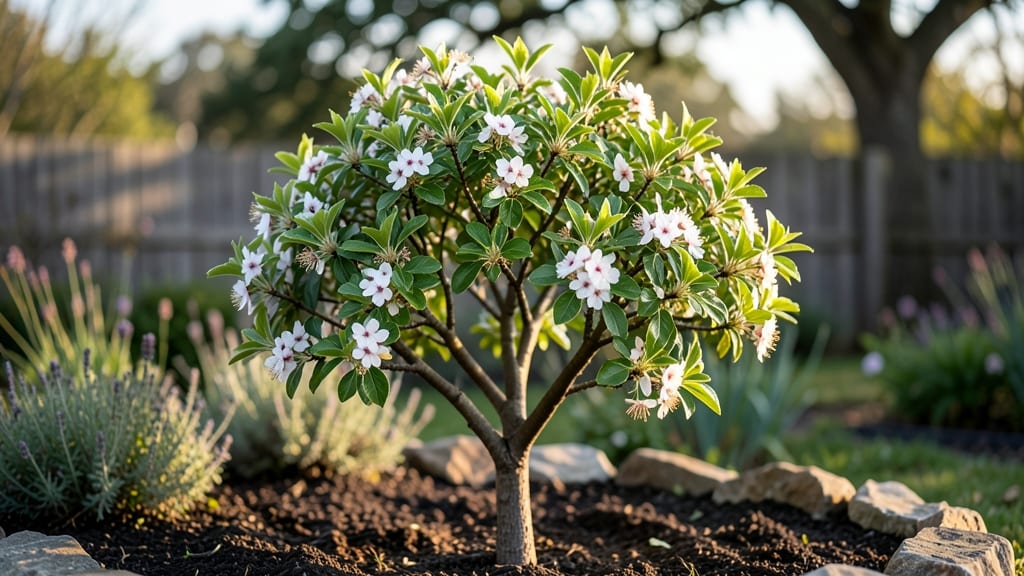
Growing a small fruit cherry tree in pots isn’t just possible—it's easier than you think. 🌱 I've grown 'Stella' cherries in a 15-gallon container for three seasons now, and they produce enough fruit to make jam for a dozen jars.
The secret lies in choosing the right dwarf variety and giving it the care it truly needs.
These small-fruit cherries thrive in full sun and well-draining soil, but they're surprisingly adaptable. You'll need a sturdy container with drainage, a balanced fertilizer, and regular pruning to keep them compact. The payoff? Juicy, flavorful fruit that ripens in late summer—no orchard required. Even my black thumb can't kill these.
Cross-pollination is the only real challenge, but pairing two compatible varieties solves it. Once established, these trees need minimal care beyond consistent watering and occasional pest checks. You'll end up with a productive, space-saving fruit tree that fits any balcony or patio.
Perfect for urban gardeners, small-space homesteaders, or anyone who wants fresh cherries without the yard. Let's get those dwarf trees growing!
Root Causes Behind Tiny Cherries
If your cherry tree is producing small fruit instead of the plump, juicy cherries you dream of, don’t panic—there’s usually a logical explanation. Understanding why this happens is the first step to fixing it.
Below, we break down the most common culprits, backed by science, so you can take actionable steps to restore your tree’s fruit potential.
🌱 Insufficient Nutrients in the Soil
Cherries are heavy feeders, and if your tree isn’t getting the right nutrients, it’ll prioritize survival over fruit size. The two biggest offenders here are nitrogen deficiency (which stunts growth) and potassium or phosphorus shortages (critical for fruit development).
- Nitrogen (N): Too little = weak stems and small leaves, which means less energy for fruit expansion. Too much = lush foliage but tiny, underdeveloped cherries.
- Potassium (K): Acts like a "quality control" nutrient—low levels lead to poor fruit firmness, size, and disease resistance.
- Phosphorus (P): Essential for root and fruit development; deficiency shows up as dark, purplish leaves and stunted growth.
Actionable fix:
- Test your soil (a DIY kit or lab test works). Aim for a balanced NPK ratio like 10-10-10 or 5-10-10 for fruit trees.
- Amend with compost or a fruit-tree-specific fertilizer (high in potassium and phosphorus) in early spring and again after harvest.
- For container-grown trees, flush the soil with water every 6 months to prevent salt buildup from fertilizers.
☀️ Poor Pollination or Lack of Cross-Compatibility
Many dwarf cherry varieties are self-pollinating, but even they can struggle if conditions aren’t ideal. Others require a pollinator—another cherry tree nearby—to produce fruit at all. If pollination fails, you’ll end up with small, undeveloped cherries or none.
- Environmental barriers: Cold snaps during bloom, heavy rain, or lack of bees/wind can prevent pollen transfer.
- Genetic mismatch: If your tree needs a pollinator (e.g., ‘Stella’ or ‘Balaton’), planting a compatible variety within 50 feet is key.
- Timing issues: Some cherries bloom too early (risking frost damage) or too late (missing early pollinators).
Actionable fix:
- Plant a pollinator variety if your tree needs one (check the tag!). For example, pair ‘Sweetheart’ with ‘Stella’.
- Hand-pollinate in early morning with a soft brush if bees are scarce (dip brush in one tree’s pollen, then another’s flowers).
- Protect blossoms from frost with frost cloth or a hair dryer on low heat (yes, really!).
- Avoid pruning during bloom—wait until after harvest to minimize stress.
💧 Water Stress or Irregular Moisture
Cherries need consistent moisture, especially during fruit set (when flowers turn into fruit) and sizing. Too little water = small, dry cherries. Too much = cracked skin and poor flavor. Container trees are especially vulnerable because their roots dry out faster.
- Drought stress: Leads to abscission (dropping of young fruit) and shrunken berries.
- Overwatering: Causes root rot, which starves the tree of nutrients and weakens fruit development.
- Uneven watering: Deep, infrequent watering (like in ground trees) vs. shallow, frequent watering (containers) can confuse the tree’s growth patterns.
Actionable fix:
- Water deeply 1–2 times per week (1–2 inches per session) rather than daily light sprinkles. Containers need daily checks in hot weather.
- Use drip irrigation or soaker hoses to keep moisture consistent at the root zone.
- Mulch with 2–3 inches of organic mulch (wood chips, straw) to retain moisture and regulate soil temperature.
- Avoid wetting leaves/fruit to prevent fungal diseases like brown rot, which can stunt fruit growth.
✂️ Over-Pruning or Poor Timing
Pruning is essential for dwarf cherries, but cutting too much or pruning at the wrong time can redirect the tree’s energy away from fruit production. Heavy pruning during active growth (spring/summer) stresses the tree, leading to smaller fruit.
- Removing too many fruiting spurs: Cherries bear fruit on 1- to 3-year-old wood. Over-pruning can eliminate these spurs entirely.
- Pruning after harvest: This is ideal, but if you prune too late (fall/winter), you risk encouraging late-season growth that won’t harden off for winter.
- Shearing or topping: This creates weak, crowded branches that compete for resources, leaving less for fruit.
Actionable fix:
- Prune only in late winter/early spring (before buds swell) or right after harvest.
- Remove only dead, diseased, or crossing branches—never more than 25% of the canopy in one year.
- Focus on opening the center of the tree for airflow and light penetration to encourage spur development.
- Avoid heading cuts (cutting back to a bud)—instead, make clean cuts just outside a bud or branch collar.
🌡️ Extreme Temperatures or Late Frosts
Cherry blossoms are extremely sensitive to temperature swings. A late frost (<32°F) after buds open can kill flowers, while heat waves during fruit set can cause poor cell development, leading to small, dry cherries. Container trees are also more susceptible to heat stress because their roots overheat faster.
- Frost damage: Destroys pollen or flowers, resulting in blind wood (branches with no fruit).
- Heat stress: Causes fruit drop or poor sugar development, leading to mealy, undersized cherries.
- Cold snaps in summer: Can stunt fruit growth if the tree diverts energy to survival.
Actionable fix:
- Monitor frost forecasts and cover trees with frost cloth or a row cover if frost is predicted during bloom.
- Use shade cloth (30–50%) during heatwaves to
Revitalize Your Cherry Tree’s Fruit
If your cherry tree is producing tiny, underwhelming fruit, don’t despair—there are practical steps to encourage healthier, larger harvests. Below, we’ll tackle the most common causes of small fruit in dwarf cherry trees and provide actionable fixes, along with prevention tips to keep your tree thriving.
Let’s turn those pint-sized cherries into plump, juicy delights!
When branches grow too densely, they compete for sunlight and nutrients, stunting fruit development. Thin out crowded areas to improve air circulation and expose more fruit to sunlight.
How to Fix It:- 🔪 Prune in late winter or early spring (before buds swell) to remove overlapping or crossing branches.
- 🌿 Aim to keep the center of the tree open—this lets sunlight reach inner fruit.
- 🍒 Cut back any "water sprouts" (fast-growing vertical shoots) that steal energy from fruit production.
💡 After pruning, apply a balanced fertilizer (like 10-10-10) to support new growth.
Fluctuating moisture levels—whether from drought or overwatering—can lead to poor fruit set and small cherries. Dwarf trees, with their limited root systems, are especially sensitive.
How to Fix It:- 💦 Water deeply 1–2 times per week (more in extreme heat), ensuring the top 6 inches of soil stay moist but not soggy.
- 🌱 Use mulch (2–3 inches of wood chips or straw) to retain moisture and regulate soil temperature.
- 🚰 Avoid overhead watering—drip irrigation or soaker hoses deliver water directly to roots.
🌡️ Monitor soil moisture with your finger—if the top layer feels dry, it’s time to water.
Small fruit often signals a lack of key nutrients, especially nitrogen (for leaf growth) and phosphorus (for fruiting). A simple soil test can reveal deficiencies, but general fixes work for most dwarf cherry trees.
How to Fix It:| Symptom | Likely Deficiency | Solution |
|---|---|---|
| Yellowing leaves (especially older ones) | Nitrogen | Apply a nitrogen-rich fertilizer (e.g., blood meal or fish emulsion) in early spring. |
| Purple or red stems/leaves | Phosphorus | Use a phosphorus boost (like bone meal) before flowering. |
| Stunted growth, weak branches | Potassium | Add potassium sulfate or wood ash in late summer. |
✨ Feed your tree in stages: early spring (nitrogen), pre-bloom (phosphorus), and post-harvest (potassium).
Dwarf cherry trees (especially self-pollinating varieties) may struggle if bees are scarce. Wind or rain can also disrupt pollination, leading to poor fruit development.
How to Fix It:- 🐝 Plant a second dwarf cherry variety nearby (even in a pot) to ensure cross-pollination.
- 👨🍳 Hand-pollinate in the morning when flowers are open: Use a soft brush to transfer pollen from one blossom to another.
- 🌿 Avoid over-pruning—too few flowers = fewer cherries.
🎯 Choose early- and late-blooming varieties to extend the pollination window.
Insects like aphids, mites, or fungal diseases (e.g., brown rot) can drain energy from your tree, resulting in small, deformed fruit.
How to Fix It:- 🦟 Inspect leaves and fruit regularly—look for holes, spots, or sticky residue (honeydew).
- 🧴 Spray with neem oil or insecticidal soap early in the season to deter pests.
- 🍄 Remove and destroy infected fruit or leaves to prevent spread.
💡 Encourage beneficial insects (like ladybugs) by planting companion flowers (e.g., marigolds or alyssum).
If your dwarf cherry is root-bound or in a cramped pot, its growth—and fruit size—will suffer. Even container-friendly varieties need room to stretch their roots.
How to Fix It:- 🏺 Repot every 2–3 years into a slightly larger container (1–2 inches wider) with fresh, well-draining soil.
- 🌱 Choose a pot with drainage holes and depth (at least 18 inches for mature dwarfs).
- 🌿 Prune roots gently if they’re circling the pot before repotting.
🌱 Use a high-quality potting mix blended with compost to ensure nutrients aren’t depleted too quickly.
With these targeted fixes, your dwarf cherry tree should rebound with fruit that’s not just small in stature—but big on flavor! 🍒🌟 Start with one or two solutions this season and observe the difference by harvest time.
Frequently asked questions
Can I grow a cherry tree in a container and still get good-sized fruit?
Dwarf varieties like 'Stella' or 'Sweetheart' thrive in containers as long as you use a 15-gallon or larger pot with drainage. The key is proper care: use well-draining soil, water consistently (containers dry out faster), and fertilize regularly. I’ve grown 'Stella' cherries in a container for three seasons—they produce enough fruit for jam! Just ensure the pot has enough depth for roots and move it to a sunny spot.
Why are my dwarf cherry tree's fruits so small even though I'm following care tips?
Small fruit often signals one of three issues: nutrient imbalance (check for yellow leaves or purple stems), poor pollination (plant a compatible variety nearby), or water stress (containers need daily checks in hot weather). Even with perfect care, some dwarf varieties naturally produce smaller fruit. Test your soil and monitor moisture—consistent watering during fruit set (when flowers turn into fruit) makes the biggest difference.
Do I need two cherry trees for pollination if mine is self-pollinating?
Most dwarf cherry varieties are self-pollinating, but even they benefit from a second tree for better fruit set. If bees are scarce in your area, plant a compatible variety (like pairing 'Sweetheart' with 'Stella') within 50 feet. For container growers, you can place a second pot nearby. Hand-pollination with a soft brush in early morning also works if natural pollinators are missing.
How often should I fertilize my small-fruit cherry tree?
Feed your tree three times per year: in early spring (nitrogen-rich fertilizer for leaf growth), before flowering (phosphorus boost for fruit development), and after harvest (potassium for root strength). Use a balanced 10-10-10 fertilizer or fruit-tree-specific blend. For containers, flush the soil every 6 months to prevent salt buildup from fertilizers. Over-fertilizing can actually reduce fruit size!
Can I prune my cherry tree to encourage larger fruit?
Yes! Prune in late winter/early spring (before buds swell) to remove crowded branches and open the center for sunlight. Avoid heavy pruning—never cut more than 25% of the canopy in one year. Focus on removing water sprouts and dead wood. Proper pruning improves airflow, which reduces disease and helps fruit grow larger. Always use clean, sharp tools to prevent damage.