
Pruning
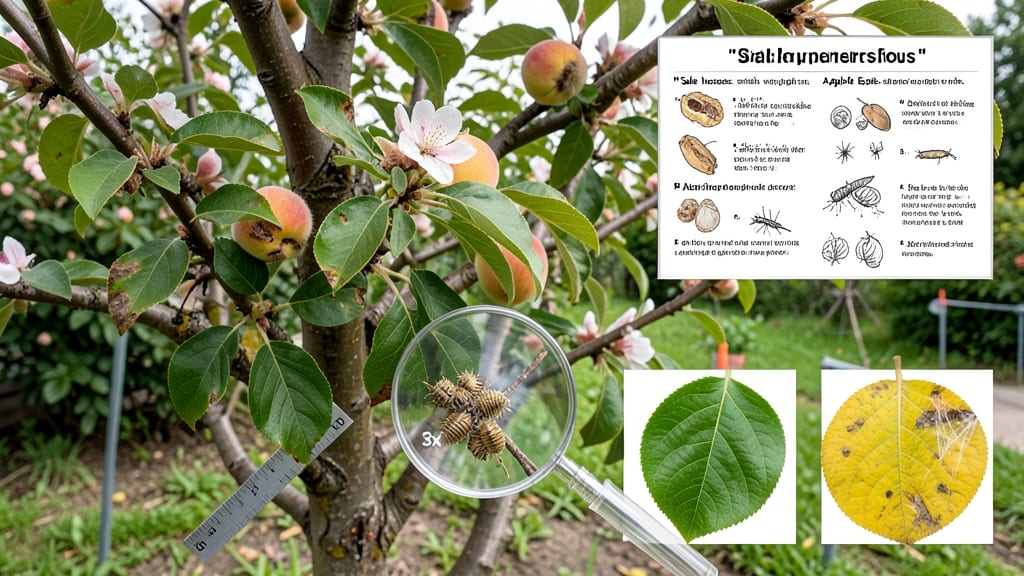
Fruit tree pests identification starts with knowing the damage patterns—those tiny holes, sticky residue, or weird spots that tell a story. 🌳 I spent years watching my apple tree get picked apart by unseen invaders, and what I learned changed how I protect my orchard. The key is spotting the clues before the pests take over: chewed leaves, webbing, or fruit that looks like it’s been attacked by tiny drill bits.
Most damage falls into three categories: sap-sucking pests (like aphids or mites) leave sticky residue or curled leaves, borers create tunnels under bark or in stems, and fruit feeders (such as maggots or beetles) make holes or deform fruit.
Weather can mimic some of these—like sunburn spots—but pests leave behind specific patterns that give them away.
With just a magnifying glass and a little practice, you’ll start recognizing these culprits before they ruin your harvest. The first step is matching the damage to the pest—aphids cluster on new growth, borers leave sawdust-like frass, and fruit flies lay eggs that turn into maggots inside your produce.
Once you’ve nailed the ID, you’re halfway to solving the problem. Prevention is easier than cleanup, so I’ll show you how to act fast—whether that’s blasting pests off with water, introducing beneficial insects, or setting traps before next season’s damage begins.
📚 In This Guide
- What you need
- Instructions
- Tips and common mistakes
- Wrapping up and next steps
What you need
- ● Hand lens or magnifying glass (10x magnification recommended) – for spotting tiny details on leaves, bark, and fruit.
- ● Notebook and pen – to record observations, dates, and pest types.
- ● Measuring tape or ruler – to document pest size, hole diameter, or damage spread.
- ○ Camera (smartphone or dedicated) – for capturing close-up images of pests, damage, and unique markings. (Optional but highly useful for reference!)
- ● Gloves (nitrile or rubber) – to protect hands from sap, thorns, or irritants like aphid secretions.
- ● Pruning shears or small knife – for carefully cutting open fruit or bark to inspect internal damage.
- ● White tray or sheet of paper – to place pests or damaged samples for easier viewing.
- ● Field guide or pest ID app – like iNaturalist or PictureThis for on-the-spot comparisons. (Digital or printed!)
- ● Spray bottle with water – to gently dislodge pests for better visibility.
- ● UV flashlight – some pests (like thrips) leave fluorescent trails under UV light!
- ● Pest collection kit – small vials with ethanol (70% isopropyl alcohol) for preserving samples.
- ● Portable microscope – for ultra-close inspections of eggs or larvae.
- ● Ladder or step stool – to reach higher branches safely.
How to spot and identify common fruit tree pests
Here’s how I break down the visual clues—no guesswork, just clear patterns to match damage to pests.
🌿 Step 1: Examine Leaf Spots and Discoloration
Start by inspecting the undersides of leaves first—most pests hide there. Look for tiny yellow or brown spots that grow into larger patches. These often signal fungal issues like apple scab or peach leaf curl, but insect activity (like aphids or mites) can also cause similar discoloration. Run your fingers over the spots: if they feel rough or powdery, it’s likely fungal. If the spots are sticky or accompanied by tiny black specks (frass), you’re dealing with sap-sucking insects.
Check the edges of leaves too. Ragged, chewed edges usually mean caterpillars or beetles are feeding. I always compare both sides of leaves—pests often cluster on the underside, leaving the top looking surprisingly healthy at first glance.
🪲 Step 2: Identify Holes and Chewed Patterns
Holes in leaves tell you exactly what’s eating your tree. Tiny, irregular holes (less than 1/8 inch) usually mean mites or leafhoppers. Larger, jagged holes (like 1/4 inch or bigger) point to caterpillars, beetles, or even small birds. I keep a magnifying glass handy—some damage looks like holes but is actually mining (larvae tunneling inside leaves). These create blister-like trails or transparent pathways.
Look at the tree’s canopy too. If you see skeletonized leaves (veins remain but tissue is gone), it’s often a sign of lace bugs or leaf miners. These pests rarely destroy the whole leaf—they eat everything except the veins. Note which branches are worst hit; heavy damage usually starts at the tree’s outer edges where sunlight and pests converge.
🍎 Step 3: Inspect Fruit for Punctures and Galleries
Fruit damage is the most obvious giveaway. Tiny dimples or shallow punctures on apples or pears? That’s likely apple maggot flies or codling moths. These pests lay eggs under the skin, and the larvae burrow inside, creating winding tunnels filled with frass (tiny brown sawdust-like droppings). I slice a few suspect fruits lengthwise—if you see white larvae or brown trails, you’ve found your culprit.
For stone fruits like peaches or plums, watch for sticky sap or black sooty mold on the fruit surface. This often means aphids or scale insects are feeding nearby, excreting honeydew that attracts secondary pests. If the fruit feels spongy or rots prematurely, it could be brown rot fungus, which spreads rapidly when pests create entry points.
🌳 Step 4: Check Bark and Branches for Signs of Infestation
Pests don’t just attack leaves and fruit—they target bark too. Look for sawdust-like frass at the base of branches or under bark flaps; this is a dead giveaway for borers like bark beetles or carpenter ants. Scrape gently with a knife—if you see tiny holes or tunnels under the bark, the larvae are inside feeding on the cambium layer. Healthy bark should be smooth and firm; if it feels soft or oozes sap, infestation is likely.
Don’t overlook webbing or silken nests in branch crotches. These are classic signs of tent caterpillars or spider mites. I use a flashlight to inspect crevices—some pests hide deep in bark fissures during the day and emerge at night. If you see black or reddish-brown streaks on branches, it could be aphid colonies or scale insects feeding.
⏰ Step 5: Time Your Inspections for Peak Activity
Pests are most active during specific seasons and times of day. Early morning is best for spotting aphids, mites, or caterpillars—they’re sluggish when temperatures are cool. In late afternoon, look for beetles or wasps that hide during the heat. I schedule inspections after rain too; many pests become more visible when foliage is damp, and their hiding spots are harder to miss.
Keep a simple log of what you find. Note the location on the tree, type of damage, and time of year. For example, if you see leaf curl in early spring, it’s likely peach leaf curl fungus. If holes appear in summer, caterpillars are the top suspect. Patterns over time help you predict and prevent future outbreaks before they spread.
Tips & tricks for fruit tree pest identification
Here's what nobody tells you about spotting damage that'll save you from misdiagnosing pests for good.
Lighting is Everything: Natural daylight is your best friend—it reveals details you'd miss under artificial light. I always inspect trees between 10 AM and 2 PM when sunlight is brightest. Early morning dew can hide subtle signs, and late afternoon shadows create illusions. If you're doing an indoor inspection, position a bright lamp at a 45-degree angle to leaves to see texture differences more clearly.
Seasonal Timing Matters: The time of year changes what you're looking for. In early spring, focus on leaf curl and bud damage—these are classic signs of peach leaf curl or fungal infections. By late spring, switch to watching for new leaf holes and aphid clusters. Summer is when caterpillars and beetles become most active, so check for chewed edges and frass trails daily. I keep a seasonal checklist handy to avoid missing critical signs.
Tool Up for Better Inspections: A simple magnifying glass (10x magnification) will reveal details you'd never see with your naked eye. I also carry a flashlight with a red light setting—it helps spot pests hiding in bark crevices without disturbing them. For bark inspections, a pocket knife with a sharp point lets you gently lift bark flaps to check for borers. These tools cost less than $20 combined and make identification 100% more accurate.
Compare Both Sides: Pests almost always hide on the undersides of leaves, so always flip leaves over. I've seen countless cases where the top looked perfectly healthy while the underside was covered in aphids or spider mites. For fruit damage, slice a few suspect fruits lengthwise—this reveals internal tunnels from codling moths or apple maggot flies that you'd never see by looking at the surface.
Pro Tips for Fruit Tree Pests Identification
- Here's what nobody tells you about spotting damage that'll save you from misdiagnosing pests for good.
- Lighting is Everything: Natural daylight is your best friend—it reveals details you'd miss under artificial light.
- Seasonal Timing Matters: The time of year changes what you're looking for.
Frequently asked questions
Got questions about spotting (and stopping) fruit tree pests? You’re not alone!
Here are answers to the most common concerns—plus quick fixes to keep your trees thriving.
How do I tell if my fruit tree has pests vs. disease?
Pests like aphids or borers leave physical damage (chewed leaves, holes, or sawdust-like frass). Diseases (e.g., fungal spots) cause discoloration (yellowing, mold, or oily patches). Check for mobile critters—if you see bugs, it’s pests!
When is the best time to inspect my fruit tree for pests?
Spot-check trees spring through fall, focusing on:
- Early spring: Look under bark for overwintering eggs.
- Summer: Scan leaves daily for new holes or webbing.
- Fall: Remove fallen fruit/debris to prevent pest hideouts.
Are there natural pest control methods besides chemicals?
Try these DIY-friendly solutions:
- Beneficial insects: Ladybugs and lacewings eat aphids.
- Neem oil spray: Disrupts pests’ life cycles (mix 1 tbsp/quart water).
- Physical barriers: Row covers or sticky traps for flying pests.
- Homemade sprays: Soap + water (1 tsp dish soap per gallon).
What should I do if my tree already has holes or chewed fruit?
Act fast! Start with:
- Prune damaged areas: Cut off infested branches 6 inches below the damage.
- Clean up debris: Bag and toss fallen fruit/leaves to starve pests.
- Seal entry points: Fill borer holes with wood putty or copper tape.
Can I save a heavily infested fruit tree, or should I remove it?
Don’t give up yet! If the tree is otherwise healthy (vigorous growth, few dead branches), aggressive treatment (like systemic pesticides or deep soil drenches) can work. But if the trunk is hollow or roots are rotting, removal may be kinder. Test a small branch first to gauge recovery potential.
Wrapping up and next steps
Identifying fruit tree pests doesn’t have to be overwhelming—with the right visual cues and a little patience, you can protect your trees and enjoy a bountiful harvest! 🌳🍏 Remember, early detection is key, so keep an eye out for unusual spots, holes, or chewed leaves and act quickly to prevent further damage.
Now that you’re armed with this guide, take the next step: inspect your trees regularly and implement organic or chemical solutions based on what you find. Happy gardening—your trees will thank you!