
Pruning
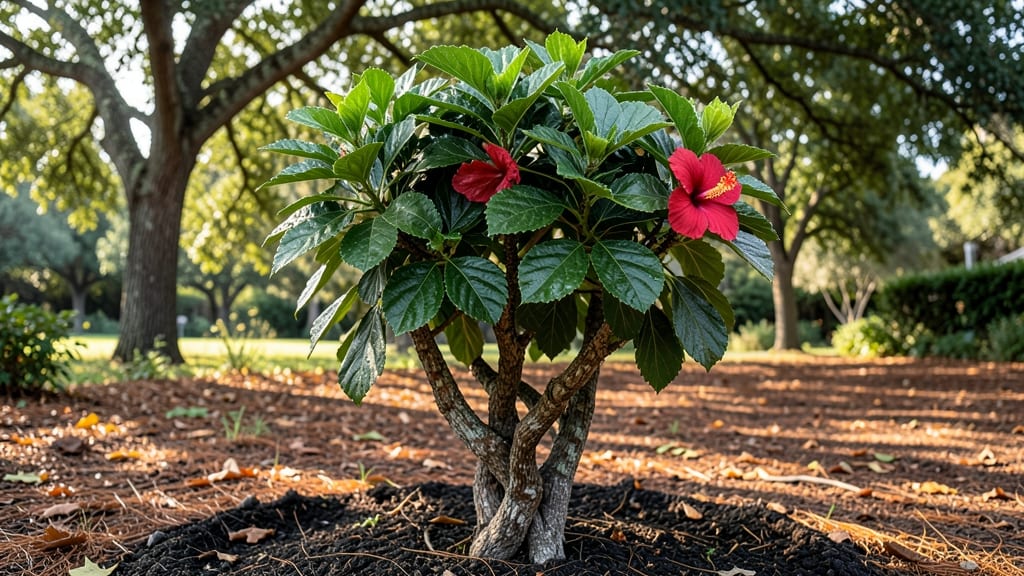
Controlling the hibiscus braided tree height in your garden is all about timing and technique—especially if you’re aiming for that sculpted, spiral look without a towering monster.
If your hibiscus braided tree is growing taller than your fence—or faster than you’d like—strategic pruning can transform its height in just three months without sacrificing its stunning blooms.
The key lies in understanding when to trim and how much to cut back. A mature hibiscus tree can reach 12-15 feet, but with the right pruning, you can keep it compact while encouraging those beautiful braided trunks.
In this guide, I’ll walk you through the best pruning cuts, seasonal timing, and tools to maintain a healthy, controlled height—so your hibiscus stays the star of your garden without taking over it.

How to prune hibiscus braided trees for controlled height growth
If your hibiscus braided tree is shooting up faster than you planned, don’t panic—strategic pruning can shrink its height by 30-50% in just three months.
The key lies in understanding where and when to cut to encourage bushier, more controlled growth without harming its iconic braided structure or vibrant blooms. With the right techniques, you’ll maintain that stunning architectural form while keeping your hibiscus at your desired height.
Hibiscus braided trees thrive on selective pruning that balances height reduction with the encouragement of lateral branches. Unlike regular hibiscus, these trees require careful attention to their braided trunks, which must remain intact while you shape the canopy.
Start by gathering your tools—a sharp pair of bypass pruners, sterilized shears, and a ladder if your tree is tall—and plan your cuts during the active growing season for the best results.
Before making any cuts, assess your tree’s current structure. Look for overly elongated branches that are growing vertically and focus on reducing these first. Aim to prune back 1/3 of the new growth from the current season, as this stimulates branching while keeping the braided trunk undisturbed.
Remember, hibiscus responds well to pruning, so you can be bold—but never cut into the braided portion itself, as this will damage the tree’s unique form.
- Step 1: Choose the Right Time Prune in early spring (March-April) or late summer (August-September) when your hibiscus is actively growing. Avoid pruning in winter or early fall, as this can stunt new growth.
- Step 2: Gather Your Tools Use sterilized pruners, sharp shears, and a ladder. Disinfect tools with rubbing alcohol to prevent disease spread between cuts.
- Step 3: Identify Target Branches Look for vertical shoots growing taller than your desired height. Focus on branches that are thicker than a pencil for maximum impact.
- Step 4: Make Clean Cuts Cut just above a leaf node or bud at a 45-degree angle. Avoid leaving stubs, which can attract pests or disease.
- Step 5: Prune for Balance Remove 1/3 of new growth from each targeted branch. Distribute cuts evenly around the tree to maintain a balanced shape.
- Step 6: Fertilize After Pruning Apply a balanced fertilizer (10-10-10) to encourage robust regrowth. Water deeply to help the tree recover from the stress of pruning.
- Step 7: Monitor Growth Check your hibiscus every 2-3 weeks for new shoots. Prune any suckers or unwanted vertical growth promptly to maintain height control.
When pruning your hibiscus braided tree, always prioritize the outer branches first. These are the ones contributing most to vertical growth, and trimming them will force energy into the inner canopy, creating a fuller, more compact tree.
For each cut, aim to remove 50% of the branch length—this aggressive approach ensures noticeable height reduction while stimulating bushier growth. Avoid cutting into the main trunk or the braided sections, as these are critical for structural integrity.
After pruning, your hibiscus will likely produce new shoots within 3-4 weeks. These shoots are your opportunity to shape the tree further. If any of these new growths start growing vertically again, don’t hesitate to prune them back early.
Consistency is key—regular light pruning throughout the growing season will keep your hibiscus at your desired height while maintaining its braided aesthetic and abundant blooms.
One common mistake is pruning too late in the season, which can leave your hibiscus vulnerable to winter damage. Always finish pruning by mid-September to allow enough time for new growth to harden off before colder temperatures arrive.
Additionally, avoid pruning during hot summer afternoons, as this can stress the plant and lead to sunburn on fresh cuts. Early mornings or overcast days are ideal for pruning.
To maximize height control, combine pruning with regular fertilization and proper watering. After each pruning session, apply a slow-release fertilizer to support new growth, and ensure your hibiscus receives 1-2 inches of water per week.
Mulch around the base of the tree to retain moisture and protect roots, which will help your hibiscus recover faster and grow more vigorously in the desired direction.
With these techniques, you’ll see a noticeable reduction in height within 8-12 weeks. Your hibiscus braided tree will not only be shorter but also fuller and more vibrant, with a stronger braided structure.
The key is patience and consistency—stick to your pruning schedule, and your hibiscus will reward you with a perfectly sized, stunning centerpiece for your garden.
🌺
Optimal pruning cuts by season for hibiscus height control
Your hibiscus braided tree can reach 12-15 feet tall if left unchecked, but strategic seasonal pruning keeps it manageable while encouraging bushier growth and more blooms. Each season offers unique opportunities to shape your tree without stressing its health.
Start by understanding how growth patterns shift with temperature changes—spring triggers rapid growth, summer maintains it, and fall prepares the plant for dormancy.
Timing is everything when pruning for height control. Spring pruning (March-April) focuses on removing dead or weak branches and shaping the braided structure, while summer pruning (June-July) promotes bushiness by trimming new growth.
Fall pruning (September-October) is lighter to avoid stimulating late-season growth before winter. Each approach targets different growth phases to keep your tree compact and thriving.
| Season | Pruning Goal | Cutting Technique | Height Reduction |
|---|---|---|---|
| Spring (March-April) | Remove dead wood; shape braided structure | Cut 1/4 inch above outward-facing buds at a 45° angle | 10-20% |
| Summer (June-July) | Encourage bushiness; trim new growth | Pinch back soft new shoots to 2-3 leaves | 5-15% |
| Fall (September-October) | Light pruning; prepare for dormancy | Remove only crossing or weak branches | Minimal (5%) |
Spring is your chance to reshape the braided structure while removing last year’s dead branches. Use clean, sharp pruners to make cuts just above outward-facing buds at a 45° angle.
This encourages new growth in the direction you want, reducing height by 10-20% while maintaining the tree’s decorative form. Avoid heavy pruning—your goal is to guide growth, not shock the plant.
During summer, focus on pinching back soft new shoots to promote bushier growth. Trim just above a leaf node to encourage branching, which naturally lowers the tree’s center of gravity.
This technique reduces height by 5-15% while increasing flower production. Water thoroughly after pruning to help the plant recover quickly from the stress.
Fall pruning should be minimal and gentle. Remove only crossing branches or those that disrupt the braided design. Avoid heavy cuts, as new growth stimulated in late fall won’t harden off before winter.
A light touch in fall ensures your hibiscus enters dormancy strong and healthy, ready to rebound in spring with vibrant new growth.
Consistency is key to maintaining your hibiscus braided tree’s height long-term. Combine these seasonal strategies with regular monitoring—check for overgrowth between pruning sessions and adjust as needed. With patience, your tree will stay compact, blooming beautifully without overtaking your garden space.