
Pruning
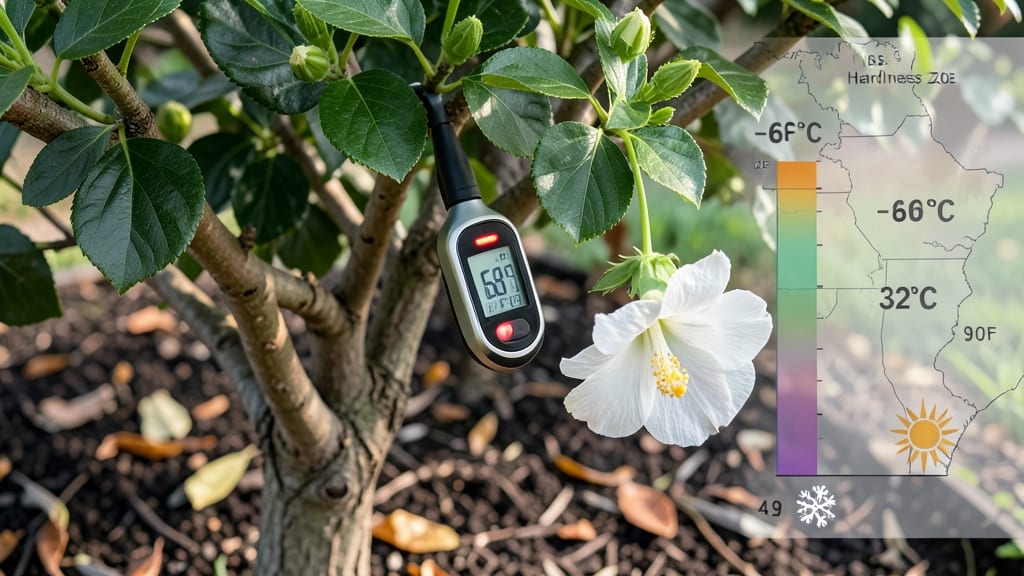
The ideal hibiscus tree temperature range is 60°F to 85°F, where they flourish year-round. While they can handle brief cold snaps down to 30°F when dormant, prolonged exposure below 25°F risks permanent damage. Hardy hibiscus varieties like Hibiscus moscheutos thrive in USDA Zones 5-9, whereas tropical species require protection in Zone 10+ climates.
The temperature range for hibiscus trees directly impacts their growth and survival. 🌡️ Hardy varieties, such as the Hibiscus moscheutos, can withstand colder temperatures thanks to their natural dormancy in winter, making them perfect for gardeners in cooler climates.
Meanwhile, tropical hibiscus species, like the Hibiscus rosa-sinensis, need consistent warmth and may require indoor care or greenhouse protection during winter months. Understanding these differences helps you choose the right hibiscus for your climate and ensures your plant stays healthy year-round.
For those in transitional climates, like Zone 8, where temperatures can fluctuate dramatically, proper winter care is essential. This includes mulching the base of the plant, wrapping containers in insulating materials, and using frost cloths to shield leaves from sudden cold snaps.
Pruning back dead or damaged foliage in late winter also helps the plant redirect energy toward new growth as temperatures rise. 💫
💡 In This Article
- Hibiscus Tree Cold Hardiness by Variety
- Protecting Hibiscus Trees from Freezing Temperatures
Hibiscus tree cold hardiness by variety
Hibiscus species vary dramatically in their cold tolerance, primarily due to evolutionary adaptations. Hardy hibiscus varieties, like the Hibiscus moscheutos (also called rose mallow), have developed natural dormancy strategies that allow them to survive winter temperatures down to 10°F when fully dormant.
This species enters a semi-dormant state where its leaves die back, and the energy reserves in its roots sustain it until spring. In contrast, tropical hibiscus like Hibiscus rosa-sinensis lack this dormancy mechanism, making them highly sensitive to frost—their leaves will blacken and die at just 32°F.
The key difference lies in their cellular structure. Hardy hibiscus produce protective compounds like antifreeze proteins that prevent ice crystal formation in their cells, similar to how some winter-hardy plants survive sub-freezing temperatures. 🌱 Tropical species, however, lack these proteins and instead rely on consistent warmth to maintain metabolic activity.
This is why Hibiscus syriacus (also called rose of Sharon) thrives in USDA Zones 5-9, while Hibiscus rosa-sinensis requires Zone 10+ protection. Even a single night below 28°F can kill tropical hibiscus, whereas hardy varieties may only show damage at 15°F or lower.
What most gardeners don't realize is how soil temperature affects root survival. Even if above-ground parts freeze, hibiscus roots can remain viable if protected by 4-6 inches of mulch.
The mulch acts as insulation, maintaining soil temperatures above 32°F—the critical threshold where root cells begin to suffer irreversible damage. In Zone 7-8, where temperatures fluctuate between 10°F and 90°F, this insulation becomes crucial for protecting both hardy and semi-hardy varieties during sudden cold snaps.
Another fascinating adaptation is the timing of dormancy. Hardy hibiscus begin their dormancy cycle in late fall when day lengths shorten and temperatures drop below 50°F. They won't resume growth until soil temperatures reach 60°F in spring—a built-in mechanism to avoid false starts during late-winter warm spells.
Tropical hibiscus, however, remain active year-round in their native climates, which is why they struggle to acclimate to seasonal changes in temperate regions.
For gardeners in marginal zones (Zone 8-9), choosing hybrid varieties like Hibiscus 'Luna Red' can offer a middle ground. These hybrids combine some cold tolerance with tropical characteristics, often surviving brief dips to 20°F if properly protected.
The trade-off? They may produce fewer blooms than fully tropical varieties but offer greater flexibility for gardeners pushing the limits of their climate zones.
Understanding these differences helps explain why some hibiscus thrive in New England gardens while others require greenhouse care in California.
The choice ultimately comes down to matching the plant's natural hardiness to your local climate patterns—whether that means selecting Hibiscus moscheutos for cold snaps or providing winter protection for Hibiscus rosa-sinensis.