
Pruning
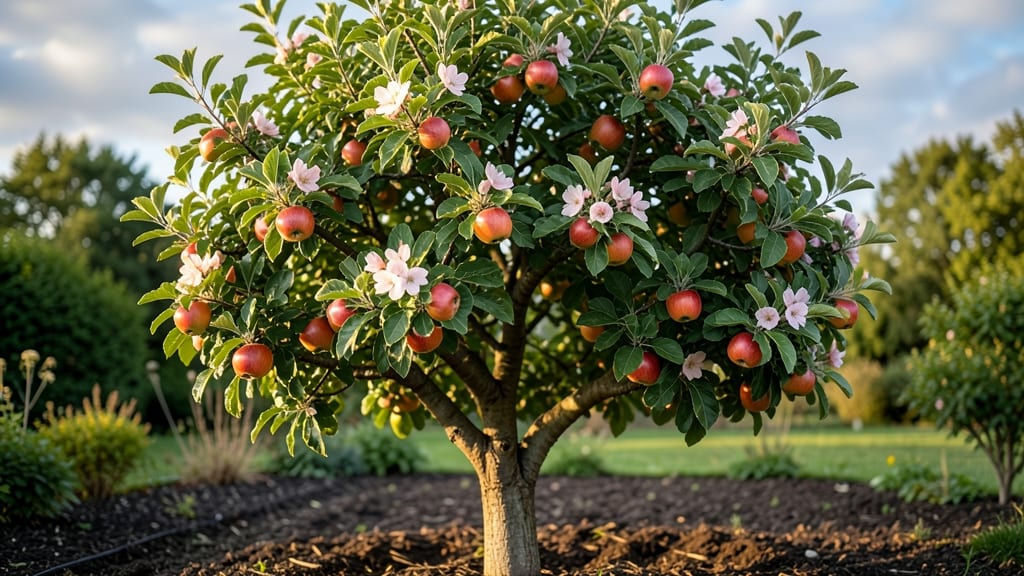
Caring for a Honeycrisp apple tree means turning winter's bare branches into summer's sweetest harvest. 🌳 The secret lies in year-round trimming that keeps your tree healthy, productive, and free from disease—no fancy tools or horticultural degree required.
I've been growing Honeycrisp trees for eight years, and the difference between a pruning novice and a pruning pro comes down to three simple principles: when to cut, how to cut, and what to cut. Most gardeners make one critical mistake: they only prune in late winter.
That's too late for Honeycrisp trees. You'll need to spread out your cuts across four seasons to maximize fruit production and tree health. Start with late winter cleanup, then do light maintenance after each harvest, and finish with summer thinning to prevent overcrowding. The payoff?
Trees that bear fruit reliably every year with fewer pests and diseases. By the end of your first year, you'll recognize the difference between water sprouts and fruit-bearing branches—and your neighbors will be asking for your secrets.
The tree itself becomes more open, sunlight reaches all the fruit, and you avoid the heartbreak of small, misshapen apples. Even if you've never pruned before, these techniques work for both young trees and mature ones.
This approach works in zones 3 through 8, whether you're growing in full sun or partial shade. The key is consistency—just 30 minutes every few months keeps your tree thriving. Let's get those pruners sharpened!"
📚 In This Guide
- What you need
- Instructions
- Tips and common mistakes
- Wrapping up and next steps
What you need
- ● Pruning shears: Bypass pruners (sharp, 6-8" blades) – 1 pair (for small branches).
- ● Loppers: Long-handled (20-24") with bypass blades – 1 pair (for thicker branches).
- ● Pruning saw: Curved-tooth, 8-10" blade – 1 (for large branches >1.5" diameter).
- ● Disinfectant: 70% isopropyl alcohol or bleach solution (1 part bleach : 9 parts water) – small spray bottle (to prevent disease spread).
- ○ Pruning sealant: Optional but helpful for large cuts (e.g., blank">Tanglefoot Tree Wound Pruning Seal) – small tube.
- ● Gloves: Heavy-duty, cut-resistant – 1 pair (protects hands from thorns and sap).
- ● Safety gear: Safety glasses, long sleeves/pants – as needed (especially for tall trees).
- ● Tree bag or wrap: For young trees (protects from sun/scratches) – 1 roll.
- ● Staking supplies: 2x4 stakes, soft ties (e.g., tree straps) – if planting a new tree.
- ● Fertilizer: Balanced 10-10-10 or apple-specific formula – small bag (apply in early spring).
- ● Mulch: Organic (wood chips) or inorganic (gravel) – 2-3 inches, 2-3 ft radius from trunk.
- ● Tree spray: Copper fungicide or horticultural oil (for pest/disease prevention) – as needed.
Year-round trimming guide for Honeycrisp apple trees
Here’s how to keep your Honeycrisp tree thriving through every season—with simple steps that prevent disease and boost fruit production.
✂️ Step 1: Prune in Late Winter for Structure
Start in late winter or early spring (just before buds swell) while the tree is still dormant. This is when you’ll see the tree’s natural framework clearly. Use clean, sharp pruning shears to make 45-degree cuts just above outward-facing buds—never leave stubs. I always remove dead, crossing, or weak branches first, as these compete with healthy growth.
Focus on opening the center of the tree to let sunlight and air circulate. You’ll know you’re doing it right when you can see at least 6-8 inches of clear space between branches at the tree’s core. Avoid cutting more than 25% of the tree’s total branches in one season—this stresses the tree and reduces fruit production.
☀️ Step 2: Summer Pruning for Fruit and Airflow
In mid-to-late summer, after the tree has set fruit, do a second round of light pruning. Remove suckers (shoots growing from the base or trunk) and water sprouts (vertical shoots with no branches). These steal energy from fruit development. I also thin out overcrowded branches to improve air circulation—this prevents fungal diseases like apple scab.
Look for fruit clusters growing on weak or shaded branches and prune them back to a stronger branch. You’ll see the difference in fruit size and quality next season. Never prune when the tree is wet—damp wood invites bacterial infections.
⏰ Step 3: Fall Cleanup to Prevent Pests
After harvest, remove all fallen fruit, leaves, and dead branches from the ground. These harbor pests and diseases over winter. I rake up debris within a 10-foot radius of the tree—this breaks the cycle of common apple pests like codling moths and apple maggots. Burn or compost the debris only if it’s disease-free (never compost infected plant material).
Check for mummified apples (dried, shriveled fruit still clinging to branches) and prune them off. These are breeding grounds for pests. A quick spray of dormant oil in late fall (after leaves drop) smothers overwintering eggs and mites—just follow label instructions for timing.
🌱 Step 4: Light Winter Maintenance
In winter, inspect the tree for split bark, frost cracks, or broken branches caused by ice. Prune these immediately to prevent further damage. I also check for rodent damage—chewed bark or sawdust-like frass means mice or voles are nesting in the tree. Wrap the trunk with tree guard if needed to deter them.
This is also the time to plan next year’s shape. Sketch a rough outline of how you want the tree to look—Honeycrisp trees respond well to an open-center or central leader form. Avoid heavy pruning in winter unless absolutely necessary; the tree is vulnerable to disease when it’s dormant.
Tips & tricks for perfect Honeycrisp apple tree care
These practical insights will help you maintain a healthy, productive Honeycrisp tree all year long.
Tool Prep: Always sterilize your pruning shears with rubbing alcohol between cuts in Step 1. I learned this the hard way after noticing fungal infections creeping into fresh cuts. Disinfecting tools prevents disease spread from branch to branch, especially important when removing dead wood as instructed. Keep a small spray bottle of alcohol in your pruning kit for quick cleanups between trees.
Visual Cues for Pruning: In Step 2, look for branches that grow directly inward—they're called "inward-growing branches" and should be your first targets. These create dense centers that block sunlight and air. I use a simple trick: hold your arms out like a cross and prune any branches growing toward your body. This instantly improves airflow through the tree's core, which is exactly what the 6-8 inch clearance goal aims to achieve.
Seasonal Timing: For Step 3's fall cleanup, mark your calendar for the first hard frost date in your area. That's when you should apply dormant oil—about 2-3 weeks after leaves fall. I've found that timing is critical because applying too early can harm overwintering beneficial insects, while waiting too long means pests have already established themselves. Check your local extension service for precise timing recommendations.
Winter Damage Prevention: In Step 4, wrap young trees (under 5 years old) with tree guard before winter sets in. I use a simple burlap wrap secured with twine—it's cheap and effective. This protects against rodent damage and helps prevent frost cracks that can occur when temperature fluctuations cause bark to expand and contract. The wrap also shields the trunk from snow and ice buildup that can cause physical damage.
Pro Tips for Honeycrisp Apple Tree Care
- These practical insights will help you maintain a healthy, productive Honeycrisp tree all year long.
- Tool Prep: Always sterilize your pruning shears with rubbing alcohol between cuts in Step 1. I learned this the hard ...
- Visual Cues for Pruning: In Step 2, look for branches that grow directly inward—they're called "inward-growing branch...
Frequently asked questions
Got questions about keeping your Honeycrisp apple tree thriving? You’re not alone! Here are answers to the most common queries—from pruning basics to troubleshooting—so you can enjoy that sweet, crisp harvest year after year.
When is the best time to prune a Honeycrisp apple tree?
The ideal window is late winter or early spring (before buds swell), but you can also prune in summer after harvest to shape the tree. Avoid heavy pruning in fall—it invites disease. Pro tip: Thin out crossing branches first to improve airflow and fruit quality!
How much should I prune my Honeycrisp tree each year?
Aim to remove 15–25% of the tree’s canopy annually to maintain health and productivity. For young trees, focus on removing water sprouts (vertical shoots) and dead wood. Mature trees benefit from selective thinning to open the center for sunlight. Warning: Never prune more than 30% in one year—it stresses the tree!
Why aren’t my Honeycrisp apples growing, even after pruning?
Several factors could be at play: age (trees need 3–5 years to bear fruit), pollination (plant a second variety nearby), or nutrient deficiencies (test soil and amend with compost). Check for pests like codling moths or aphids too—healthy trees with proper care produce bountiful crops!
Can I prune a Honeycrisp tree in hot or cold weather?
Avoid pruning during extreme heat or cold (below 40°F or above 90°F). Cold weather stresses the tree, while heat can cause sunburn on fresh cuts. Best practice: Prune on a cool, cloudy day in late winter/early spring for optimal healing.
What’s the difference between thinning and pruning Honeycrisp apples?
Pruning
removes branches to shape the tree and improve airflow, while thinning involves removing individual fruits (when they’re pea-sized) to boost size and quality. Thin to 6–8 inches between apples—this prevents overcrowding and disease. Bonus: Thinner fruit = sweeter Honeycrisp flavor!
Do I need special tools for Honeycrisp apple tree pruning?
Basic tools suffice: bypass pruners (for small branches), loppers (thicker branches), and a pruning saw for large cuts. Sterilize tools with rubbing alcohol between cuts to prevent bacterial/fungal spread. Pro move: Keep a sharp pair of gloves handy—apple sap can be sticky!
Wrapping up and next steps
Caring for your Honeycrisp apple tree is a rewarding journey that leads to sweet, juicy rewards! With the right year-round trimming, proper soil care, and a watchful eye for pests, you’ll enjoy a thriving tree and bountiful harvests for years to come. 🌳🍏
Now that you’re armed with expert tips, take the next step: mark your calendar for seasonal pruning sessions and keep an eye on your tree’s health. Before you know it, you’ll be savoring the fruits of your labor—literally! Happy growing! 🌟