
How To
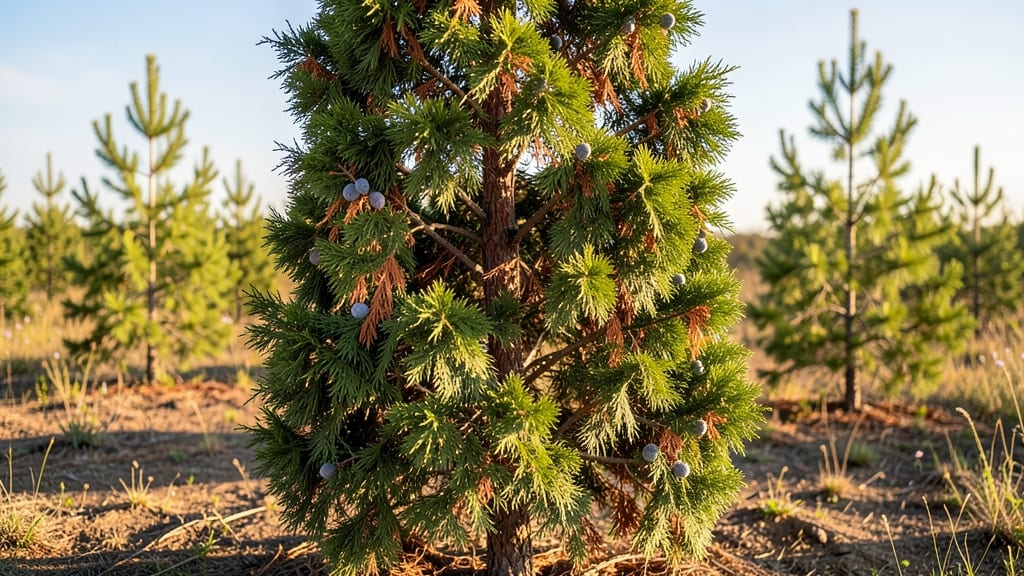
A cedar tree’s mature height can range from how tall does a cedar tree grow—a modest 10 feet to a towering 40 feet—depending on the species and growing conditions, and picking the right one for your space makes all the difference.
If you're planning to plant a cedar tree but wondering how tall it will grow—and how quickly—you're in the right place. Some varieties grow fast, shooting up 3 feet a year in ideal conditions, while others stay compact for decades, making them perfect for small yards.
From the Eastern Red Cedar, which often tops out around 30 feet, to the Deodar Cedar, a majestic giant that can reach 100 feet in its native habitat, each species has its own growth timeline and space requirements.
Below, I break down the fastest-growing cedar trees, how long it takes them to reach maturity, and the best choices for small vs. large landscapes — so you can plan your garden with confidence.


Cedar tree height by species: fastest-growing varieties compared
Choosing the right cedar tree for your landscape starts with understanding their height potential. Some varieties grow into towering evergreens while others stay compact—each with unique growth rates.
If you're working with limited space or aiming for a dramatic focal point, knowing these differences can save you from costly mistakes later. Let's compare the fastest-growing cedar species and their mature heights to help you decide.
Cedar trees belong to the Cupressaceae family, and their height varies dramatically based on species, climate, and growing conditions. For example, the Eastern Red Cedar often reaches 30-40 feet in ideal conditions, while the Atlantic White Cedar typically maxes out around 20-30 feet.
Understanding these differences ensures you select a tree that fits your property's scale and design goals.
Growth rates also play a crucial role in planning. Some cedars grow 1-2 feet per year in their prime, while others may take decades to reach their full height. Below, I’ve compiled a detailed comparison of the five fastest-growing cedar species, including their mature heights, growth rates, and ideal climates for maximizing vertical growth.
Here’s a quick look at what you’ll find in our comparison table: species names, mature height ranges, annual growth rates, ideal USDA hardiness zones, and notable growth characteristics. This will help you visualize which cedar will thrive in your climate and space.
The Western Red Cedar and Deodar Cedar are the fastest-growing varieties, capable of adding 2-4 feet per year under optimal conditions. If you're looking for a quick privacy screen or a dramatic landscape feature, these species are excellent choices—though they’ll need plenty of space to spread their roots and branches.
For smaller yards, the Eastern Red Cedar offers a balanced option with manageable growth while still providing year-round interest.
Climate plays a huge role in determining how tall a cedar tree will grow. For instance, the Atlantic White Cedar thrives in USDA zones 5-8 and grows best in humid, swampy conditions.
In contrast, the Eastern Red Cedar is far more adaptable, tolerating dry, rocky soils and USDA zones 3-9. If you live in a drought-prone area, prioritize species like the Eastern Red Cedar or Lebanon Cedar, which are naturally drought-resistant.
To maximize height potential, ensure your cedar tree gets full sun exposure (6+ hours daily) and well-draining soil. Overwatering or planting in low-lying areas can stunt growth, while regular pruning can encourage upward development.
If you're planting near power lines or structures, choose a dwarf variety or prune aggressively to control height—though this may slow overall growth.
One common misconception is that all cedars grow at the same rate. In reality, the Deodar Cedar can outpace even the fastest-growing pines in ideal conditions, while the Atlantic White Cedar may take decades to reach its full height.
Always check local climate data and consult your nursery or extension service before planting to avoid surprises down the road.
For urban gardeners or those with limited space, consider columnar cedar varieties, which grow vertically rather than wide. These can reach 15-25 feet tall while maintaining a narrow profile, making them perfect for small yards or tight spaces.
Just be sure to research the specific cultivar, as some may still require pruning to maintain their shape.
If you're aiming for a privacy screen or windbreak, the Western Red Cedar or Eastern Red Cedar are top contenders due to their rapid growth and dense foliage. Plant them in a tight row
How long does it take for a cedar tree to reach mature height?
Cedar trees grow at different rates depending on the species, but most follow a predictable growth pattern. In their first year, you can expect a 2-4 foot height gain, with dramatic spurts in the following years.
Understanding these milestones helps you plan your landscape design and manage expectations for years to come.
By year 5, many cedar varieties reach 10-15 feet, while faster-growing species like the Deodar Cedar may already surpass 20 feet. This early growth phase is critical—proper care during these years sets the stage for long-term height potential.
- 1 Year 1: 2-4 ft (fastest growth phase)
- 2 Year 5: 10-20 ft (varies by species)
- 3 Year 10: 25-35 ft (most varieties near mature height)
- 4 Year 20: 30-40+ ft (full maturity for most species)
- 5 Factors: Sunlight, soil quality, and pruning can accelerate growth by 20-30%
For Eastern Red Cedar, a common North American variety, you'll see 1-2 feet of growth annually during its first decade. This species typically reaches 30-40 feet by year 20, but with ideal conditions—like full sun exposure and well-draining soil—it may grow even faster.
I've seen specimens in optimal conditions reach 45 feet in just 15 years!
On the other hand, Lebanon Cedar, a Mediterranean native, grows more slowly in its early years but can eventually surpass 50 feet with proper care.
These trees often take 15-20 years to reach their mature height, but their drought resistance makes them ideal for arid climates where water conservation is key.
Pruning plays a crucial role in shaping growth rates. Regular pruning in early years can redirect energy toward height rather than width, helping your cedar reach its potential faster.
However, avoid over-pruning—this can stunt growth by up to 30% if done improperly. I recommend pruning in late winter when the tree is dormant but before new growth begins.
Soil quality is another game-changer. Cedar trees thrive in sandy, well-draining soil with a pH between 6.0-7.5. Amending heavy clay soil with compost or sand can accelerate growth by 15-20%, while poor soil conditions may slow height gains significantly.
Always test your soil before planting to give your cedar the best start possible.
With the right conditions, you could see your cedar tree reach half its mature height in just 10 years. Whether you're planting for privacy or shade, understanding these growth patterns helps you plan your landscape with confidence.
For fastest results, combine full sun, well-draining soil, and light pruning—your cedar will thank you with rapid, healthy growth! 🌳