
How To
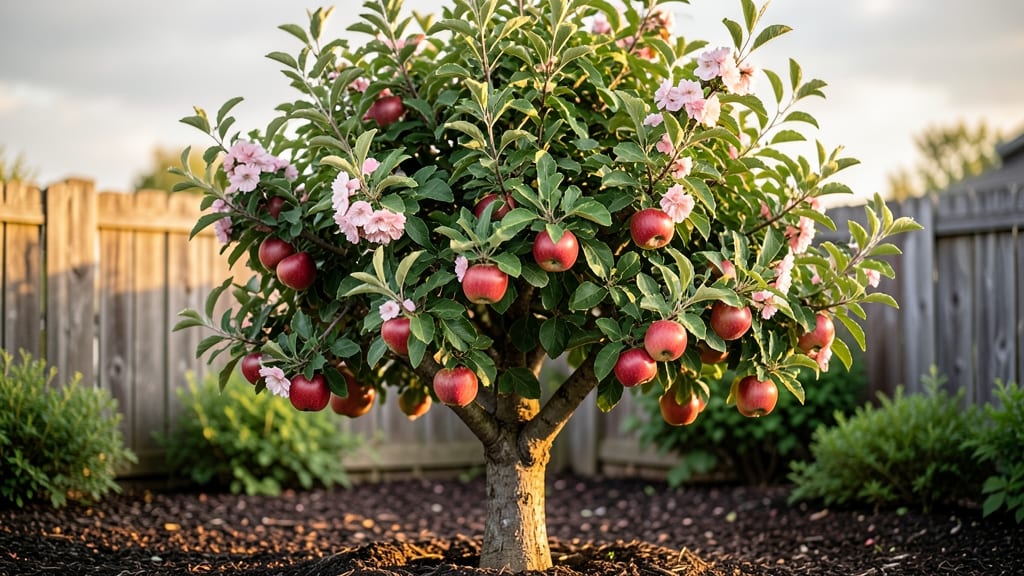
A Fuji apple tree 🍎 can grow anywhere from 6 to 25 feet tall, depending on the variety you choose—so picking the right one for your space is the first step to a thriving orchard.
If you're dreaming of a homegrown Fuji apple orchard but unsure how much space to dedicate, knowing the mature height of these trees is essential—because their size determines everything from pruning needs to harvest accessibility.
Standard varieties can tower over 20 feet, while dwarf and semi-dwarf options stay compact at 6 to 12 feet, making them perfect for small gardens or urban yards.
Below, I’ll break down the height differences by variety, spacing tips to keep your trees healthy, and how to control growth so you can enjoy those sweet apples without the hassle.


Fuji apple tree height by variety: standard vs dwarf vs semi-dwarf sizes
Choosing the right Fuji apple tree size is critical for both backyard orchards and container gardening. The mature height of your tree directly impacts harvest accessibility, pruning requirements, and even fruit production.
Standard Fuji trees can reach 12-16 feet tall, while dwarf varieties stay compact at 6-8 feet, making them perfect for small spaces. The key difference lies in the rootstock used during grafting, which controls growth rate and final size.
Understanding these size variations helps you plan your orchard layout. For example, a semi-dwarf Fuji tree (8-10 feet) offers a balance between manageable height and higher fruit yields compared to dwarf varieties.
Meanwhile, standard trees require more space but produce larger harvests. Let's break down the exact height ranges and what they mean for your garden planning.
| Variety Type | Mature Height | Growth Rate (First 3 Years) | Ideal Climate Zones | Best For |
|---|---|---|---|---|
| Standard | 12-16 ft | 3-5 ft/year | USDA Zones 5-8 | Large gardens, orchards |
| Semi-Dwarf | 8-10 ft | 2-4 ft/year | USDA Zones 5-9 | Backyards, small farms |
| Dwarf | 6-8 ft | 1-3 ft/year | USDA Zones 6-10 | Containers, patios, urban gardens |
Standard Fuji apple trees grow the tallest, reaching 12-16 feet at maturity, which makes them ideal for rural properties or dedicated orchards. These trees develop a strong root system that supports their height, but they require regular pruning to maintain manageable branches.
In cooler climates like USDA Zones 5-8, standard varieties thrive with proper winter protection, though their size may be slightly reduced in colder regions.
The semi-dwarf Fuji offers a practical middle ground, standing 8-10 feet tall while still producing abundant fruit. This variety grows at a moderate pace—typically 2-4 feet per year—making it perfect for home gardens where you want easier access to harvests.
Semi-dwarfs also adapt well to a wider range of climates (USDA Zones 5-9), including warmer southern regions where heat tolerance is crucial.
For urban gardeners or those with limited space, dwarf Fuji trees are the best choice, reaching only 6-8 feet tall. These compact trees grow slowly (1-3 feet per year) and can even thrive in large containers, making them ideal for patios or small yards.
Dwarf varieties do best in milder climates (USDA Zones 6-10) and often require staking to support their smaller root systems.
Your choice of Fuji apple tree size also affects fruit production timing. Dwarf and semi-dwarf varieties typically bear fruit 1-2 years earlier than standard trees, allowing you to enjoy homegrown apples sooner.
However, standard trees produce larger harvests over time, making them a better investment for serious fruit enthusiasts with ample space.
When selecting a Fuji apple tree, consider your garden layout and future growth. Standard trees need 12-15 feet of spacing between plants, while dwarf varieties can be spaced just 6-8 feet apart.
Proper spacing ensures good airflow, reducing disease risk and improving fruit quality. Always check the specific rootstock details, as some dwarf varieties may still grow taller if grafted onto semi-dwarf rootstock.
Climate plays a crucial role in determining how tall your Fuji apple tree will grow. In cooler northern climates, trees may grow slightly shorter due to slower spring growth, while warmer southern regions can accelerate growth rates.
Always choose a variety suited to your local climate zone and consider microclimates—like sunny spots or windbreaks—that can influence tree development.
If you're unsure which size to choose, start with a semi-dwarf Fuji for versatility. It offers a balance between manageable height and productive yields, making it the most adaptable option for most home gardens.
For container growing, dwarf varieties provide the easiest care with minimal space requirements, while standard trees are best reserved for dedicated orchard spaces.
Remember, regular pruning and training can influence your tree's final height. By pruning in late winter or early spring, you can control growth direction and maintain a more compact shape. This is especially important for standard trees, where aggressive pruning can keep them more manageable without sacrificing fruit production.
Optimal spacing and pruning strategies for Fuji apple trees by height
Choosing the right spacing for your Fuji apple trees isn't just about aesthetics—it's about maximizing fruit production and tree health. Standard varieties need ample room to grow their 12–16-foot canopies, while dwarf varieties thrive in tighter spaces.
The key is balancing airflow and sunlight while preventing disease. I’ve learned that proper spacing reduces competition for nutrients and makes pruning easier, which directly impacts your harvest.
For standard Fuji apple trees, aim for 12–15 feet between trees. This gives their branches room to spread without overcrowding, ensuring better fruit quality and easier harvesting. Semi-dwarf varieties can handle 8–10 feet of space, while dwarf Fuji trees only need 6–8 feet.
Remember, these measurements are for mature trees—give them space from day one to avoid future headaches.
- Standard Fuji: 12–15 ft apart | Prune annually to remove dead wood and thin overlapping branches
- Semi-Dwarf Fuji: 8–10 ft apart | Light pruning to maintain open center shape for airflow
- Dwarf Fuji: 6–8 ft apart | Aggressive pruning to control height and encourage fruit-bearing branches
- All Varieties: 6–10 ft from fences | Prune in late winter before buds swell for best results
When it comes to pruning, timing is everything. I always prune my Fuji apple trees in late winter or early spring, just before new growth begins. This helps direct energy toward fruit production rather than excessive foliage.
Start by removing any dead, diseased, or crossing branches—these create entry points for pests and reduce airflow. For dwarf varieties, I focus on heading back (cutting just above a bud) to keep them compact and manageable.
Don’t forget about thinning fruit—this might seem counterintuitive, but removing some apples early in the season leads to larger, higher-quality fruit. Overloaded branches can break under the weight, and the remaining apples won’t grow as large.
Aim to leave 6–8 inches between fruits on the branch. This also improves airflow, reducing the risk of fungal diseases like apple scab.
For container-grown Fuji trees, pruning becomes even more critical. Since their root systems are limited, you’ll need to prune 20–30% more aggressively to control height and shape. Use a 3-way pruner for larger branches and sharp bypass pruners for smaller cuts.
Always sterilize your tools with rubbing alcohol to prevent spreading disease between cuts. With the right spacing and pruning routine, your Fuji trees will reward you with bountiful harvests for years.
Pro tip: Mark your tree’s drip line (the edge of its canopy) with stakes or spray paint. This helps you visualize the root zone and avoid over-fertilizing or compacting soil outside this area. Healthy roots mean healthier trees—and that means bigger, sweeter Fuji apples! 🍏