
How To
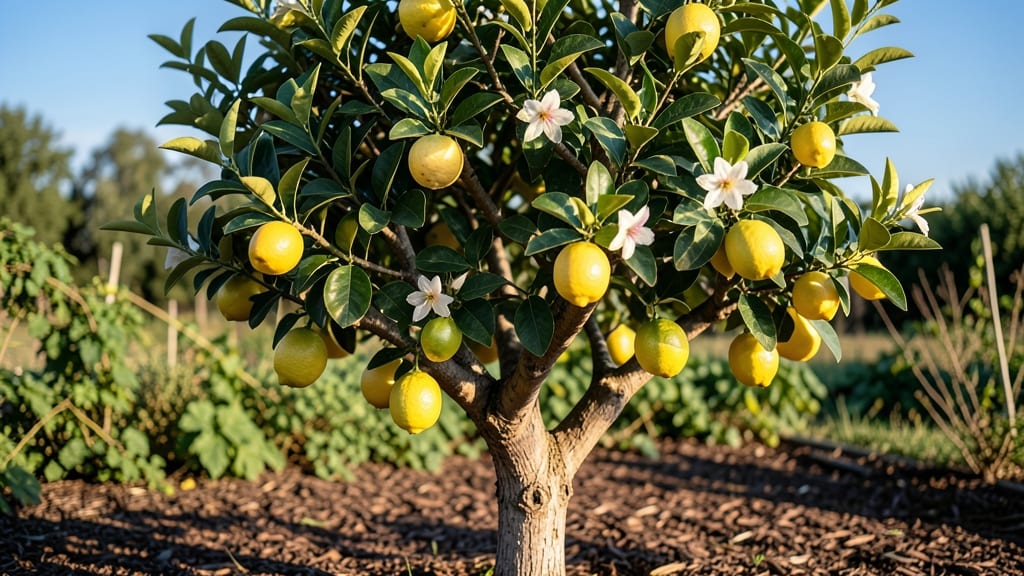
How tall does a lemon tree grow? It can range from 4 feet to over 20 feet, depending on the variety and growing conditions—and that difference can change how you plan your garden.
If you’ve ever dreamed of fresh lemons but worried about space, you’re in luck. Dwarf varieties fit snugly on patios or balconies, while standard trees need room to stretch their branches skyward. The right choice depends on your space, climate, and how much pruning you’re willing to do.
Standard lemon trees can reach 15 to 25 feet tall, making them a statement piece in larger yards, but they also require thoughtful pruning to manage size and shape. Meanwhile, dwarf varieties stay between 4 and 8 feet, perfect for containers or small gardens.
In this guide, I’ll break down the height differences between dwarf and standard lemon trees, how to control their growth, and the best ways to keep them thriving—whether you’ve got a sprawling backyard or just a sunny windowsill.


Standard lemon tree height: how big can they really get?
If you’ve ever dreamed of growing your own lemons but worried about space, standard lemon trees are the classic choice—but they’re not for small yards.
These trees typically reach heights of 12 to 20 feet at maturity, with some varieties like the Eureka lemon even climbing toward 25 feet in ideal conditions. Their growth rate is steady, gaining 1-2 feet per year once established, so plan for long-term space needs before planting.
Climate plays a huge role in how tall your lemon tree grows. In warm, frost-free zones like USDA Zones 9-11, trees thrive and reach their full height potential. But in cooler climates (Zones 7-8), growth slows, and trees may stay shorter unless you provide winter protection.
Even in perfect conditions, a standard lemon tree can easily outgrow a typical suburban backyard, making pruning a must for manageable size.
The Lisbon lemon variety is another popular standard type, known for its large, juicy fruit and similar growth habits to Eureka. Both varieties need full sun exposure (6+ hours daily) and well-draining soil to reach their maximum height.
Without proper care, they can become leggy and unruly, which is why many gardeners opt for dwarf varieties if space is limited.
Your lemon tree’s height isn’t just about genetics—it’s also about how you care for it. Pruning in late winter or early spring can control height by removing up to 25% of new growth.
Regular pruning also improves air circulation, reducing disease risk and encouraging healthier fruit production. Just avoid heavy pruning in summer, as it stresses the tree during its peak growing season.
Another factor is root space. Standard lemon trees develop deep root systems that need room to spread. In-ground planting requires at least 10-15 feet of clearance in all directions, while container-grown trees (even standard varieties) can be kept slightly smaller with proper root pruning.
If you’re planting near a fence or wall, plan for 8-10 feet of vertical space to avoid shading issues.
Soil quality also impacts height. Lemon trees thrive in slightly acidic to neutral soil (pH 6.0-7.0) with excellent drainage. Heavy clay soils stunt growth, while sandy loam allows roots to expand freely.
Amending soil with compost or citrus-specific fertilizer promotes faster, healthier growth—though over-fertilizing can lead to excessive leafy growth at the expense of fruit production.
Here’s how your lemon tree’s height compares over time:
| Growth Stage | Height Range | Key Notes |
|---|---|---|
| Year 1 | 3–6 ft | Slow initial growth; focus on root establishment |
| Year 2 | 8–12 ft | Rapid vertical growth; first fruit may appear |
| Year 3+ | 12–20+ ft | Mature height reached; prune to control size |
| Container-Grown | 8–15 ft (with root pruning) | Height reduced by 30–50% vs. in-ground |
If you’re growing a standard lemon tree in a container, expect it to stay 30-50% shorter than its in-ground counterpart. Large pots (15+ gallons) with drainage holes are essential, and you’ll need to repot every 2-3 years to accommodate root growth.
Just remember: container trees still need full sun and regular watering to avoid stunted growth.
For those in cooler climates, winter care is critical. Young trees (under 3 years) may need mulch or frost cloth to protect roots, while mature trees benefit from a thick layer of mulch (3-4 inches) to insulate the soil.
Without protection, cold snaps can damage branches, slowing height growth and reducing fruit production in subsequent years.
Finally, don’t forget that lemon trees are evergreen, meaning they grow year-round in warm climates. This continuous growth means they’ll keep reaching for the sky unless you intervene with pruning.
If you’re unsure about managing a 20-foot tree, consider dwarf varieties—they offer the same delicious fruit with far less space commitment.
Ready to plant? Measure your space twice—your lemon tree’s future height depends on it! 🌳
Dwarf lemon trees: compact options for small spaces and containers
If you love the idea of growing your own lemons but have limited space, dwarf lemon trees are the perfect solution. These compact varieties stay between 4 to 8 feet tall, making them ideal for patios, balconies, or even sunny windowsills.
Unlike their towering standard counterparts, dwarf varieties thrive in containers, allowing you to enjoy fresh lemons without sacrificing yard space.
One of the most popular choices is the Meyer lemon tree, which typically reaches 6 to 8 feet tall at maturity. Its sweeter fruit and cold-hardy nature make it a favorite among home gardeners.
The Improved Meyer lemon is another excellent option, offering the same compact size with even better disease resistance and fruit production.
Before choosing a dwarf variety, consider your container size and sunlight exposure. Most dwarf lemon trees need a pot at least 18 to 24 inches wide to accommodate their root system.
They also require full sun (6+ hours daily) to produce abundant fruit, so place them in the sunniest spot you can find.
Here’s how the most popular dwarf varieties compare in terms of height, care, and fruit production:
When caring for your dwarf lemon tree, focus on consistent watering and regular feeding to encourage fruit production. Use a well-draining potting mix and fertilize every 4–6 weeks during the growing season with a citrus-specific fertilizer.
Prune lightly in late winter to shape the tree and remove any dead or overcrowded branches.
One common mistake is overwatering, which can lead to root rot. Always ensure your container has drainage holes and water only when the top 1–2 inches of soil feel dry.
In colder climates, bring potted dwarf lemon trees indoors before temperatures drop below 40°F to protect them from frost damage.
With the right care, your dwarf lemon tree can thrive for years, producing sweet, juicy lemons perfect for fresh juice, baking, or gifting. Whether you choose a Meyer or Improved Meyer, these compact trees bring the joy of homegrown citrus to even the smallest spaces! 🌱🍋