
Trees
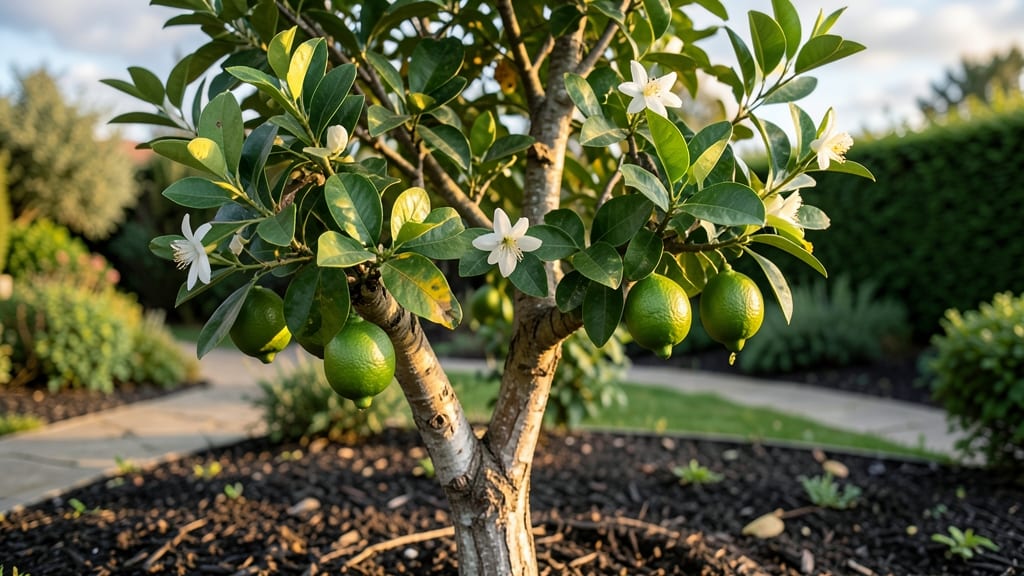
Your Meyer lemon tree dropping leaves isn't a death sentence—it's a signal to act. 🌿 I've nursed back more than a few of these citrus queens, and the key is identifying why they're shedding before it's too late.
Nine times out of ten, it's one of three simple issues: watering gone wrong, hidden pests, or seasonal stress.
The first step is checking the soil—stick your finger in up to 2 inches. If it's soggy, you're overwatering (citrus hates wet feet); if it's bone-dry, that's your problem.
Then inspect the leaves: yellowing with brown edges? Probably underwatering or nutrient burn. Tiny holes or sticky residue? Spider mites or scale insects are crashing your party.
Once you spot the culprit, the fix is straightforward: adjust watering to every 7-10 days (less in winter), wipe down leaves with neem oil, or add a balanced citrus fertilizer. Within 2-4 weeks, you'll see new growth pushing through—and those fragrant blooms will return before you know it.
Here's the secret weapon: consistency. Meyer lemons thrive when you treat them like the finicky divas they are—steady water, bright light, and occasional TLC. That first flush of spring growth will have you wondering why you ever panicked.
Root Causes Behind Leaf Loss
Understanding why your Meyer lemon tree is shedding leaves starts with identifying the stress triggers—each with distinct symptoms and solutions. Below, we break down the most common culprits, backed by science, so you can diagnose and act fast.
Meyer lemon trees (Citrus meyeri) thrive in USDA Zones 9–11, but they’re sensitive to extreme temperatures—both hot and cold. When leaves drop, it’s often a survival response to shock.
- Cold Damage (Chilling Injury): - Why it happens: Meyer lemons are tender to frost—temperatures below 28°F (-2°C) can kill leaves overnight.
Even brief dips into the 40s°F (4–9°C) cause stress, triggering abscission (leaf drop) as the tree conserves energy. - Key signs: Brown, mushy leaves (not crisp like frostbite) or yellowing between veins (chlorosis).
New growth may appear stunted or curled. - Actionable fix: - Protect young trees with frost cloth or a mini greenhouse (like a clear plastic dome). - Avoid late spring frosts by monitoring forecasts and covering plants after sunset (heat from the day can make them more vulnerable). - Hardened trees (3+ years old) can tolerate brief dips to 25°F (-4°C), but never let roots freeze—mulch heavily with straw or wood chips (3–4 inches deep).
- Heat & Sunburn: - Why it happens: While Meyer lemons love sun, intense afternoon heat (above 90°F/32°C) + low humidity causes transpiration stress.
Leaves may scorch (brown edges) or drop prematurely. - Key signs: Crispy, papery edges on leaves; bleached or white patches (sunburn); leaf drop during peak summer. - Actionable fix: - Provide afternoon shade (30–50% shade cloth) during July–August. - Water deeply (1–2 inches per week) to increase humidity around roots—drip irrigation is better than overhead sprinklers. - Avoid fertilizing during heatwaves—nitrogen burns stressed roots.
Leaves dropping can signal hydration extremes—both drought stress and overwatering disrupt the tree’s ability to photosynthesize.
- Underwatering (Drought Stress): - Why it happens: Meyer lemons hate dry soil.
When roots can’t absorb water, the tree triggers abscission to reduce water loss. Wilting leaves are a late-stage warning—by the time you see them, damage is done. - Key signs: - Leaves curl upward (like a "flag" signal). - Dry, crispy edges (not soft like overwatering). - Soil pulls away from the pot edges (if potted). - Actionable fix: - Check soil moisture with your finger—top 2 inches should be dry before watering. - Water deeply until it drains from the bottom (potted trees) or 18 inches into the ground (in-ground). - Mulch heavily (4–6 inches of organic mulch) to retain moisture and regulate temperature.
- Overwatering (Root Rot Risk): - Why it happens: Meyer lemons detest soggy roots. Poor drainage + excessive water starves roots of oxygen, leading to fungal infections (like Phytophthora).
The tree sheds leaves to reduce metabolic demand while roots suffocate. - Key signs: - Yellowing leaves (starting at the bottom). - Mushy, black roots (if you inspect). - Leaf drop even when soil is wet. - Actionable fix: - Repot immediately if using a container—ensure drainage holes and switch to a well-draining mix (60% potting soil, 30% perlite, 10% sand). - Water only when the top 3 inches are dry—never on a schedule. - Raise pots off the ground to prevent waterlogging.
Leaves dropping can be a nutritional red flag—either the tree isn’t getting what it needs or too much of a "good thing" is poisoning it.
- Nitrogen Deficiency (Slow Growth Stress): - Why it happens: Nitrogen is critical for leaf production. Without enough, old leaves yellow (chlorosis) and drop to conserve resources for new growth.
Common in poor soil or over-pruned trees. - Key signs: - Yellowing between veins (older leaves first). - Stunted new growth. - Pale green or yellow leaves (not just tips). - Actionable fix: - Test soil pH—Meyer lemons prefer 6.0–7.0. Lime (calcium carbonate) can raise pH if too acidic. - Fertilize with a balanced citrus blend (e.g., 6-6-6 or 8-3-9) in early spring and summer. - Avoid synthetic nitrogen spikes—use compost or worm castings for slow-release nutrients.
- Iron or Zinc Toxicity (From Over-Fertilizing): - Why it happens: Too much iron or zinc (common in tap water or synthetic fertilizers) blocks nutrient uptake, causing leaf drop.
The tree can’t process chlorophyll, so it sheds leaves to reduce stress. - Key signs: - Yellowing leaves with green veins (iron deficiency mimics toxicity). - Small, brittle new leaves. - Leaf drop despite "healthy" soil. - Actionable fix: - Flush the soil with rainwater or distilled water (avoid tap if high in minerals). - Switch to organic fertilizers (like fish emulsion or seaweed extract). - Use chelated iron only if diagnosed with deficiency (not toxicity).
Hidden invaders can sap your tree’s strength, leading to premature leaf drop. The most damaging culprits?
- Root Weevils or Grubs: - Why it happens: These pests chew on roots, disrupting water/nutrient uptake.
The tree compensates by dropping leaves to survive. - Key signs: - Leaves yellow and drop (even with consistent watering). - Adult weevils (1/2-inch black beetles) at night. - Grubs (white, C-shaped larvae) in soil. - Actionable fix: - Handpick adult weevils at dusk (they’re slow-moving). - Apply neem oil (mix 2 tbsp per gallon of water) every 2 weeks. - Beneficial nematodes (Heterorhabditis bacteriophora) target grubs naturally.
- Fungal Infections (Root Rot, Leaf Spot): - Why it happens: Overwatering + poor airflow creates the perfect storm for fungi like Phytophthora or Alternaria.
Infected leaves yellow, spot, and drop as the fungus spreads. - Key signs: - Dark spots with yellow halos on leaves. - Mushy stems or blackened roots. - Leaf drop even in warm weather. - Actionable fix: - Prune infected leaves with sterilized shears (rubbing alcohol). - Spray with copper fungicide (follow label rates). - Improve airflow—space trees 6–8 feet apart and thin dense foliage.
Even mature Meyer lemons struggle with change, and root disturbance can trigger leaf drop as the tree recovers.
- Why it happens: Moving a tree (even repotting) damages fine root hairs, reducing water/nutrient absorption. The tree sheds leaves to reduce transpiration while roots regrow.
- Key signs:
Quick Fixes for Meyer Lemon Tree
Now that you’ve identified why your Meyer lemon tree is dropping leaves, it’s time to take action! 🌿💧 The good news? Most issues can be resolved with simple, targeted care. Below, we’ll break down the best solutions for each common cause—plus prevention tips to keep your tree thriving.
Fix: Let the soil dry out between waterings and improve drainage.
- 🔥 Step 1: Check the soil moisture by sticking your finger 1–2 inches deep. If it’s soggy, hold off on watering.
- 🍳 Step 2: Repot your tree (if in a container) into a pot with drainage holes or amend garden soil with perlite/sand (1:1 ratio).
- 👨🍳 Step 3: Water deeply but infrequently—only when the top 1–2 inches of soil are dry.
- ⏰ Step 4: If root rot is suspected, trim affected roots (sterilize shears with rubbing alcohol) and treat with a fungicide like copper fungicide.
💡 Prevention Tip:
- Use a moisture meter for accuracy.
- Avoid saucers under pots unless they’re emptied daily.
Fix: Adjust watering habits and protect from extreme heat.
- 💧 Step 1: Water thoroughly at the base (not leaves) when the soil feels dry to the touch.
- 🌿 Step 2: Mulch around the base with organic matter (straw or wood chips) to retain moisture.
- 🌞 Step 3: Move potted trees to partial shade during peak afternoon sun (10 AM–4 PM).
- 🌧️ Step 4: Increase humidity with a pebble tray or misting (avoid wetting leaves to prevent fungal issues).
💡 Prevention Tip:
- Group plants together to create a microclimate.
- Water in the early morning to reduce evaporation.
Fix: Isolate the tree, prune infected parts, and apply targeted treatments.
- 🔪 Step 1: Prune yellow/brown leaves with sterilized shears, cutting back to healthy green tissue.
- 🧴 Step 2: Spray with a copper fungicide (for fungal issues) or neem oil (for early-stage infections).
- 🚫 Step 3: Avoid overhead watering; water at the soil level instead.
- 🌱 Step 4: Improve air circulation by spacing plants 3–4 feet apart or trimming overgrown branches.
💡 Prevention Tip:
- Sterilize pruning tools with 70% isopropyl alcohol between cuts.
- Avoid wetting foliage during watering.
Fix: Fertilize strategically and adjust soil pH if needed.
- 📊 Step 1: Conduct a soil test (kit from a garden center) to confirm deficiencies.
- 💪 Step 2: For iron deficiency (yellow leaves with green veins), apply iron chelate or use a citrus-specific fertilizer.
- 🍎 Step 3: For nitrogen deficiency (pale green leaves), use a balanced 10-10-10 fertilizer or compost.
- 🌡️ Step 4: Adjust soil pH to 6.0–7.0 (lemon trees prefer slightly acidic soil); use sulfur to lower pH or lime to raise it.
💡 Prevention Tip:
- Fertilize every 4–6 weeks during growing season (spring–fall).
- Use slow-release granules for steady nutrition.
Fix: Remove pests manually or with organic sprays.
- 🕷️ Step 1: Blast off soft-bodied pests (aphids, mealybugs) with a strong spray of water.
- 🌿 Step 2: Wipe leaves with soapy water (1 tsp mild soap per quart of water).
- 🍃 Step 3: Apply neem oil or insecticidal soap (follow label rates).
- 🕸️ Step 4: For spider mites, increase humidity and spray undersides of leaves.
💡 Prevention Tip:
- Introduce beneficial insects like ladybugs or lacewings.
- Inspect new plants before bringing them indoors.
- 🌱 Prune strategically: Remove only damaged leaves to reduce stress.
- 🌿 Monitor progress: Keep a journal of watering, fertilizing, and leaf drop patterns.
- 🌳 Patience is key: Meyer lemon trees bounce back quickly with proper care—new growth should appear in 2–4 weeks!
With these fixes, your Meyer lemon tree should regain its lush foliage and reward you with sweet, juicy lemons. 🍋🌟
Frequently asked questions
My Meyer lemon tree is dropping leaves in winter—is this normal?
Yes, some leaf drop in winter is normal due to seasonal dormancy, but excessive shedding may signal cold stress. Meyer lemons struggle below 40°F (4°C)—protect young trees with frost cloth or move potted trees indoors. If leaves are mushy and brown, it’s frost damage; if they’re yellow, it’s likely nutrient stress from reduced growth.
How often should I water my Meyer lemon tree if it's dropping leaves?
Check soil moisture first: stick your finger 1-2 inches deep. Water only when dry—overwatering causes root rot (yellow leaves), while underwatering leads to crispy edges. In pots, water every 7-10 days; in-ground trees need 1-2 inches per week. Always ensure pots have drainage holes.
Can I save my Meyer lemon tree if half its leaves are gone?
Focus on root health first: repot if needed (use well-draining soil), adjust watering, and check for pests. Prune only damaged leaves—healthy foliage helps the tree recover. With proper care, new growth appears in 2-4 weeks. The key is acting fast before stress becomes permanent.
Why do my Meyer lemon leaves turn yellow before dropping?
Yellowing before dropping usually signals nutrient issues or overwatering. Check leaf patterns:
- Yellow between veins = iron/zinc deficiency
- Uniform yellow = nitrogen deficiency
- Yellow + soggy soil = root rot Test soil pH (6.0-7.0 ideal) and adjust fertilizer accordingly.
Will my Meyer lemon tree grow back after dropping all its leaves?
Yes, but it depends on the cause. If leaves dropped due to transplant shock or seasonal change, new growth should return in 4-6 weeks. For severe cases (like frost or pests), prune dead branches and focus on root care. Healthy roots = regrowth! Just avoid fertilizing until new leaves appear.