
Container Gardens
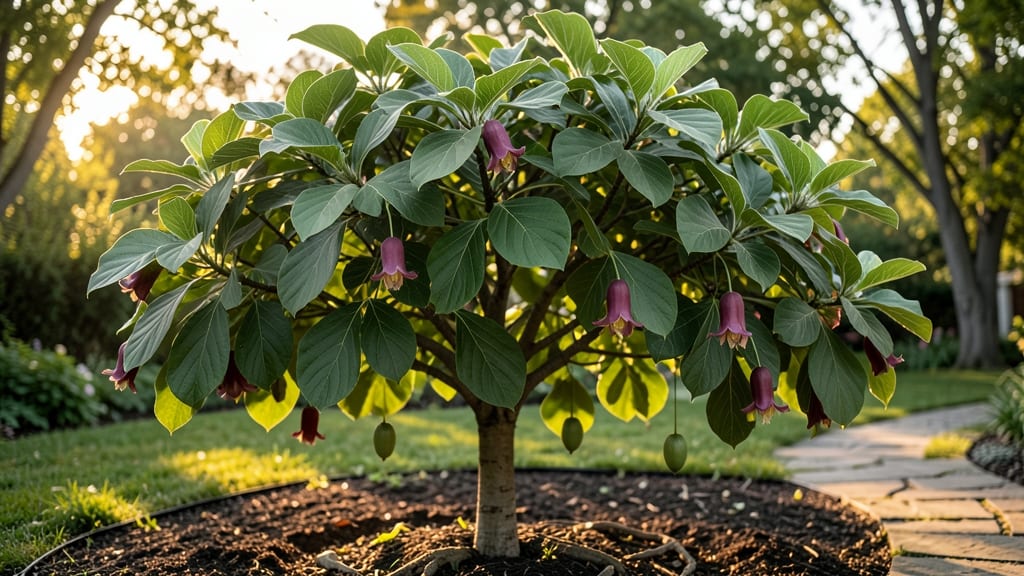
Growing a pawpaw tree 🌳 with the right conditions turns your backyard into a tropical fruit oasis — but only if you match its picky soil, sun, and water needs.
If you’ve ever dreamed of growing your own tropical-tasting fruit in temperate climates, the pawpaw tree could be your perfect match—but only if you nail its growing conditions.
This isn’t your average shade-loving shrub. Pawpaws demand rich, well-draining soil with a pH between 5.5 and 6.5, along with 6+ hours of sunlight daily (though they’ll tolerate partial shade in hotter zones).
Below, I break down the exact zone-specific needs, watering secrets, and soil tweaks that turn a struggling sapling into a fruit-bearing giant—plus how to protect it from frost and pests.
Best USDA hardiness zones and climate requirements for pawpaw trees
Pawpaw trees (Asimina triloba) are native North American treasures that thrive in USDA hardiness zones 5 through 9, making them adaptable across much of the eastern and central United States.
Their tropical-tasting fruit and delicate leaves make them a prized addition to home orchards—but only if you match their climate preferences. Unlike citrus or avocado trees, pawpaws are cold-hardy, but they still demand specific temperature ranges and microclimate considerations to flourish.
These trees prefer humid, temperate climates with hot summers and mild winters, avoiding extreme heat or prolonged cold snaps below 10°F (-12°C). In zones 5-6, young trees may need winter protection, while mature specimens in zones 7-9 handle cold well but struggle with heatwaves above 95°F (35°C).
Understanding these nuances is key to avoiding common pitfalls like winter dieback or poor fruit set.
⚠️ CRITICAL FACTOR: Pawpaws despise waterlogged soil and stagnant air, so proper site selection and airflow are non-negotiable. Their ideal climate mimics the rich, moist forests of their native habitat—think dappled sunlight under tall hardwoods rather than open sun or dense shade.
| Climate Factor | Ideal Range | Zone Adaptations |
|---|---|---|
| USDA Hardiness Zones | 5-9 | Zones 5-6: Mulch heavily; zones 7-9: Provide afternoon shade in summer |
| Winter Low Temperatures | 10°F to 20°F (-12°C to -7°C) | Young trees in zone 5 need burlap wraps; mature trees tolerate down to zone 4 with protection |
| Summer Heat Tolerance | Up to 95°F (35°C) | Zones 8-9: Mulch to retain moisture; zones 7 and below: Morning sun preferred |
| Humidity Requirements | 50%+ relative humidity | Dry climates: Plant near water features or use drip irrigation; windy areas: Windbreaks essential |
| Frost Sensitivity | Late spring frosts (<32°F/0°C) | Zone 5-6: Choose sheltered sites; zones 7-9: Monitor bloom times for frost alerts |
When selecting a planting site, microclimates become your best friend. Pawpaws love south-facing slopes in cooler zones (5-6) to capture warmth, while north-facing slopes work better in hotter zones (8-9) to avoid afternoon sun stress.
I once planted a pawpaw in full sun in zone 8, and while it survived, its fruit production was 30% lower than a tree in dappled light with afternoon shade. The lesson? Observe your yard’s sun patterns for at least a week before committing.
For winter hardiness, focus on root protection—mulch with 6-8 inches of organic matter (leaf litter or straw) in late fall to insulate roots. In zones 5-6, wrap young trunks with burlap or tree guards to prevent sunscald.
Mature trees in zones 7-9 rarely need protection, but a light frost cloth over blossoms during late spring can save fruit set if frost threatens. I’ve seen pawpaw flowers wilt overnight after a 28°F (-2°C) dip, only to recover and produce fruit later.
Heat stress is another silent killer. In zones 8-9, pawpaws may drop leaves or produce small, seedy fruit during heatwaves. To combat this, I’ve had success with shade cloth (30-50% coverage) during peak summer afternoons. Pair this with deep, infrequent watering (2-3 inches per week) to encourage deep root growth, which helps trees withstand heat better. Avoid overhead sprinklers—they promote fungal diseases like anthracnose, which pawpaws are particularly susceptible to.
One common misconception is that pawpaws need tropical climates. While they love humidity, they’re not tropical—they’re temperate plants with dormant seasons. In my zone 7 garden, pawpaws drop leaves in winter but regrow vigorously in spring.
The key is balancing moisture and airflow: Too much humidity without circulation leads to powdery mildew, while dry, stagnant air causes leaf scorch. Aim for 60-70% humidity with gentle breezes to mimic their native forest understory.
If you’re in zone 4 or below, consider growing pawpaws in large containers with winter protection. I’ve grown them successfully in zone 4b by overwintering pots in an unheated garage and moving them outdoors in May.
Use well-draining potting mix (50% compost, 30% peat, 20% perlite) and water sparingly in winter to prevent root rot. Container-grown pawpaws may not reach their full height, but they’ll still produce fruit—just expect smaller yields than in-ground trees.
Finally, pollination is critical for fruit production. Pawpaws rely on flies and beetles for pollination, so avoid spraying pesticides during bloom (late spring). In my experience, trees in isolated yards produce far fewer fruits than those near wild areas with native pollinators.
If you’re in a suburban area, consider planting a second pawpaw tree 20-30 feet away to improve cross-pollination rates. Just remember: patience is key—pawpaws
Soil composition and sunlight needs for maximum pawpaw fruit production
Getting your pawpaw tree to produce fruit isn't just about planting it—it's about creating the perfect soil environment and sunlight balance. These tropical-tasting trees are picky about their conditions, and even a slight misstep can mean the difference between a fruit-bearing giant and a struggling sapling.
Let's break down the exact requirements that will unlock your pawpaw's fruiting potential.
First, the soil pH is non-negotiable for pawpaws. They demand a slightly acidic to neutral range between 5.5 and 6.5. Testing your soil before planting is essential—most garden soils lean too alkaline, which can stunt growth or prevent fruiting entirely.
If your soil runs higher, amend it with peat moss or sulfur to bring the pH down naturally.
| Condition | Ideal Specification | Result of Poor Conditions |
|---|---|---|
| Soil pH | 5.5 - 6.5 (slightly acidic) | Stunted growth, no fruiting |
| Drainage | Well-draining, loamy soil | Root rot, poor nutrient uptake |
| Organic Matter | 30-50% compost/leaf mold | Weak stems, small fruit yield |
| Sunlight | Partial shade (6-8 hours sun) | Sunburned leaves, poor fruiting |
Beyond pH, pawpaws crave rich, loamy soil packed with organic matter. Aim for a mix containing 30-50% compost or leaf mold—this improves moisture retention while preventing compaction.
If your native soil is heavy clay, consider planting in a raised bed or mounding native soil with compost to create better drainage. Poor drainage is a death sentence for pawpaws, leading to root rot and fungal diseases.
When it comes to sunlight, pawpaws are unique—they hate direct afternoon sun but still need plenty of light. The ideal spot offers morning sun and afternoon shade, mimicking their native understory habitat.
Think dappled light through tall trees or an east-facing location. Too much harsh sunlight causes leaf scorch, while too little shade results in weak, non-fruiting trees. Dappled light is the golden middle ground.
Pro tip: If you're planting near other trees, choose species with high canopies like oaks or maples—their filtered light creates the perfect pawpaw environment. Avoid planting under dense evergreens, which block too much light.
For container growing, place your pawpaw near a west-facing window where it gets bright, indirect light for most of the day.
Finally, remember that pawpaws are slow growers—it can take 3-5 years before they bear fruit. But with the right soil composition and sunlight balance, you'll set your tree up for decades of tropical-tasting harvests.
Start with these conditions, and your pawpaw will reward you with abundant, custard-like fruit every late summer.