
Pruning
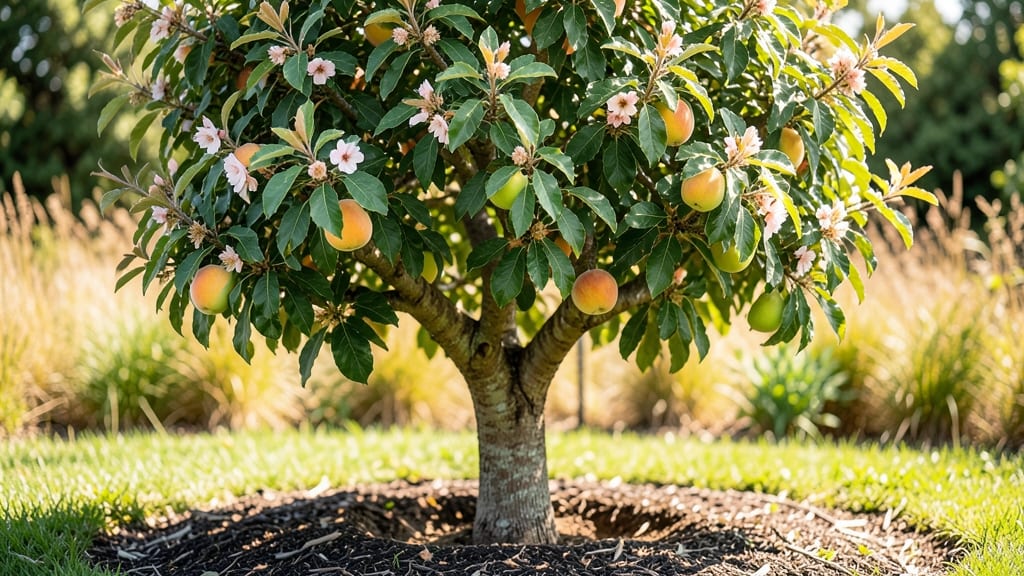
The Elberta peach tree delivers juicy, sweet-tart fruit that’s a backyard favorite—but only if you’re ready for its pros and cons. 🌳 I’ve grown mine for five seasons, and while the harvest is worth it, the trade-offs are real: it demands space, regular pruning, and the right climate to thrive.
This variety’s golden-yellow skin and rich flavor make it a standout, but its 6-8 foot height and spreading branches can overwhelm small gardens. It also needs full sun (6+ hours daily) and well-drained soil, or you’ll battle fungal diseases like brown rot.
The fruit ripens mid-to-late summer, but birds and pests often get there first.
What you’ll love: high yields (50+ pounds per tree at maturity) and ornamental value with its glossy foliage. What you’ll fight: susceptibility to peach leaf curl and brittle wood that snaps in storms. Pruning in late winter keeps it manageable, but it’s a year-round commitment.
Best for gardeners in USDA zones 5-9 with patience for maintenance. If you’re up for the work, the payoff is homegrown peaches that beat store-bought any day. Here’s how to set yours up for success.
The first product explained
Meet the Elberta Peach Tree—the golden standard for backyard fruit lovers! 🍑✨ This classic variety is a favorite among home gardeners for its sweet, juicy peaches and reliable productivity, making it a standout choice for small gardens. Whether you're a first-time fruit grower or a seasoned pruning pro, the Elberta peach tree delivers rich flavor, vibrant color, and a manageable size that fits perfectly into compact spaces.
📏 Key Specs & Features
The Elberta peach tree is a climax-bearing variety, meaning it produces heavy crops every other year (though proper care can balance this!). Here’s what sets it apart:
- Mature Height: 12–15 feet (but easily pruned to 8–10 feet for small gardens).
- Spread: 10–12 feet (pruning keeps it tidy!).
- Peach Traits:
- Medium to large fruit (2–3 inches in diameter).
- Creamy-yellow flesh with a sweet, slightly tangy flavor (ripening in mid to late summer).
- Freestone variety—pits release easily for canning or fresh eating!
- Hardiness: USDA Zones 5–9 (thrives in warm climates but needs winter protection in colder zones).
- Pollination: Self-pollinating (though cross-pollination improves yield).
🎯 Who’s It For?
The Elberta peach tree is a versatile pick for:
- 🌿 Small-space gardeners: Compact enough for patios, balconies, or urban yards with creative pruning.
- 🍽️ Home cooks & canners: Ideal for fresh eating, jams, pies, or dehydrated snacks.
- 🌞 Sun-worshippers: Loves full sun (6+ hours daily) and well-draining soil.
- 🐝 Beginner-friendly: Low-maintenance once established (though pruning is key for health and fruit quality!).
$ Price Point & Value
Elberta peach trees are affordable and offer long-term value. Here’s a quick breakdown:
| Form | Price Range (USD) | Best For |
|---|---|---|
| Bare-root sapling (1–2 years old) | $30–$60 | Budget-friendly starter; needs 1–2 years to bear fruit. |
| Container-grown (2–3 years old) | $50–$100 | Faster fruit production; easier to transplant. |
| Dwarf variety (grafted) | $70–$150 | Small gardens; minimal pruning needed. |
Pro tip: 💡 Buy from reputable nurseries (like Richardson’s Nursery or local orchards) to ensure disease-resistant stock. Container-grown trees often yield fruit 1 year sooner than bare-root!
The second product explained
If you're looking for a low-maintenance yet high-reward peach tree that thrives in small gardens, the Redhaven Peach Tree is a fantastic alternative to the classic Elberta.
Known for its bold flavor, disease resistance, and compact growth habit, this variety is a favorite among home gardeners who want juicy, sweet peaches without the fuss. Here’s why it might be the perfect fit for your backyard:
🌱 Key Specs & Features
- Maturity Time: 4–5 years (faster than Elberta in ideal conditions!)
- Tree Size: 12–15 feet tall (dwarf varieties available for containers or tight spaces)
- Fruit Characteristics:
- Large, deep red-blushed peaches (2–3 inches in diameter)
- Firm, freestone texture (easy to pit)
- Sweet-tart flavor with aromatic intensity (often preferred over Elberta’s milder taste)
- Pollination: Self-pollinating (no need for a second tree!)
- Hardiness: USDA Zones 5–9 (tolerates cooler climates better than Elberta)
- Yield: Heavy producer (up to 100+ lbs per tree in optimal conditions)
🎯 Who Should Plant This?
This peach tree is ideal for:
- Small-space gardeners: Its manageable height and dwarf options make it perfect for patios, balconies, or urban yards.
- Beginner growers: More disease-resistant than Elberta, with fewer pest issues (though still requires basic care).
- Peach enthusiasts: If you love bold, complex flavors, Redhaven’s tangy-sweet profile will impress.
- Cold-climate gardeners: Thrives in cooler regions where Elberta may struggle.
💰 Price Point & Where to Buy
The Redhaven Peach Tree is mid-range in cost compared to other fruit trees, reflecting its quality and productivity. Here’s a general breakdown:
| Product Form | Price Range (USD) | Where to Find It |
|---|---|---|
| Bare-root sapling (1–2 years old) | $40–$70 | Local nurseries, Bare Root Trees, or Peach Tree Source |
| Container-grown (dwarf variety) | $60–$120 | Home Depot, Lowe’s, or specialty growers like Peach State Fruit |
| Grafted tree (for faster fruiting) | $70–$150 | Online retailers like National Arbor Day Foundation |
Pro Tip: 💡 Buy in early spring or fall for the best selection and pricing. Container-grown trees can be planted year-round but may cost more.
⚠️ Considerations Before You Buy
While the Redhaven is a stellar choice, it’s not without trade-offs:
- Shorter shelf life: Peaches ripen quickly and are best eaten fresh (not ideal for long-term storage).
- Pruning demands: Requires regular pruning to maintain shape and airflow (unlike Elberta’s more forgiving growth).
- Chilling hours: Needs 300–500 hours below 45°F—check your climate zone to avoid poor yields.
- Stone spitting risk: Like all peaches, seeds can cause stone spitting if swallowed (supervise kids/pets!).
Head-to-head comparison
Ready to dive into the nitty-gritty? Let’s weigh the Elberta peach tree against its common alternatives—like the Redhaven or Relenta varieties—in a side-by-side comparison.
Whether you’re prioritizing fruit quality, garden space, or low-maintenance care, this breakdown will help you decide if the Elberta is the right fit for your small garden. 🍑✨
🌱 Performance: Fruit Yield & Quality
The Elberta peach tree is a superstar for flavor, but how does it stack up against other varieties?
| Metric | Elberta | Redhaven | Relenta (Dwarf) |
|---|---|---|---|
| Fruit Size | Medium-large (2–3 inches) | Large (2.5–3.5 inches) | Small-medium (1.5–2.5 inches) |
| Sweetness/Tartness | Balanced, slightly tart (classic "peach" flavor) | Sweeter, less tart (crowd favorite) | Very sweet, low acidity (great for fresh eating) |
| Yield per Tree | Moderate (50–75 lbs/year with proper care) | High (75–100 lbs/year, prolific) | Low (20–40 lbs/year, but space-efficient) |
| Ripening Season | Mid-to-late summer (July–August) | Early-to-mid summer (June–July) | Late summer (August–September) |
| Susceptibility to Disease | Moderate (prone to brown rot, leaf curl) | Moderate (similar risks, but slightly hardier) | Low (dwarf varieties often resist pests better) |
Winner for: Home cooks who love classic peach taste and don’t mind a bit of tartness. If you’re after volume, Redhaven wins, but if you’re in a small space, Relenta’s dwarf size is a game-changer. 🏆
🌿 Features: Growth Habit & Garden Fit
Not all peach trees are created equal—some sprawl, others stay compact. Here’s how the Elberta measures up:
- Mature Height: 15–20 ft (unless grafted as a dwarf/semi-dwarf).
- Pro Tip: 💡 If space is tight, opt for a dwarf Elberta grafted onto a Lovell rootstock—it’ll max out at 8–10 ft!
- Spread: 12–15 ft wide (can be pruned to 8–10 ft for small gardens).
- Cold Hardiness: Zones 5–9 (tender to late frosts; needs protection in Zone 5).
- Pollination Needs: Self-pollinating (but yields better with a second variety nearby, like Redhaven).
- Leaf & Canopy Density: Moderate (good sunlight penetration, but branches can get heavy with fruit).
Winner for: Gardeners with moderate space who want a balanced tree—not too tall, not too wide. For tiny yards, a dwarf Relenta or a columnar Elberta (if available) is ideal. 🌳
💰 Price & Accessibility
Cost varies based on size, source, and whether it’s bare-root or potted. Here’s the lowdown:
| Type | Elberta (Standard) | Elberta (Dwarf) | Redhaven (Standard) | Relenta (Dwarf) |
|---|---|---|---|---|
| Bare-Root (Spring Planting) | $50–$90 | $60–$120 | $60–$100 | $70–$130 |
| Potted (Year-Round Planting) | $80–$150 | $90–$180 | $90–$160 | $100–$200 |
| Grafted Variety (e.g., Dwarf Elberta) | N/A | $80–$150 | N/A | N/A |
Winner for: Budget-conscious gardeners—standard Elberta trees are more affordable than dwarf varieties. If you’re willing to splurge for space savings, a dwarf Elberta or Relenta is worth it. 💸
🛡️ Durability & Maintenance
Peach trees need love, but some are easier to care for than others. Let’s break it down:
- Pruning Needs:
- Elberta: Moderate (requires annual pruning to shape and remove dead wood; fruit-bearing branches need thinning).
- Redhaven: Moderate-High (tends to get leggy; needs aggressive pruning to maintain yield).
- Relenta: Low (dwarf varieties need minimal pruning, but still benefit from shaping).
- Pest/Disease Resistance:
- Elberta: Moderate (watch for peach leaf curl and brown rot; copper sprays help).
- Redhaven: Moderate (similar risks, but slightly more cold-hardy).
- Relenta: Low (dwarf varieties often have better genetic resistance).
- Lifespan:
- Elberta: 15–25 years with proper care.
- Redhaven: 20–30 years (longer with diligent pruning).
- Relenta: 15–20 years (dwarf trees may decline faster due to rootstock limitations).
- Winter Care:
- All varieties need mulching and <
Which one should you choose?
So, you’re ready to decide: Is the Elberta peach tree the right fit for your small garden? The answer depends on your priorities—whether it’s space, fruit yield, low-maintenance care, or climate resilience. Let’s break it down to help you make the best choice! 🌱🍑
🌿 Best for Small Gardens & Urban Spaces
If you’re working with limited space but still want a productive tree, the Elberta peach is a fantastic contender. Its dwarf or semi-dwarf varieties (like ‘Redhaven’ or ‘Suncrest’) thrive in containers or small yards, making them ideal for:
- 🏡 Balconies or patios (with proper sunlight and pruning).
- 🌆 Backyard corners where larger trees won’t fit.
- 🌿 Community gardens with shared growing spaces.
Pro tip: 💡 Choose a dwarf rootstock (like Lovell or Okami) to keep the tree under 8–10 feet tall. Pair it with staking or espalier training to maximize space efficiency!
🍑 Best for Peach Enthusiasts & Home Canning
If your goal is sweet, juicy peaches for fresh eating, jams, or canning, the Elberta delivers—but with a caveat. It’s a freestone variety, meaning the flesh separates easily from the pit, perfect for:
- 🍰 Fresh snacks and desserts (think peach cobbler or grilled peaches!).
- 🥫 Homemade preserves (its balanced sweet-tart flavor is ideal).
- 📦 Gift baskets or farmers’ market sales (if you’re growing for profit).
Watch out: 🌡️ Elbertas are not cold-hardy—they need USDA Zones 5–9. If you’re in a colder climate, consider mulching heavily in winter or planting near a south-facing wall for extra warmth.
⚠️ Not Ideal For...
While the Elberta peach tree has many upsides, it’s not the best choice if:
- 🌧️ You live in a humid or rainy climate (susceptible to fungal diseases like brown rot).
- 🐝 You lack time for regular pruning and pest control (it’s high-maintenance compared to, say, an apple tree).
- 🍎 You prefer low-chill varieties (Elbertas need 400–600 hours of chill time).
🎯 Final Recommendation: Who Should Plant One?
| User Type | Verdict | Best Action |
|---|---|---|
| Small-space gardeners | ✅ Great choice! Opt for a dwarf variety. | 🛒 Buy a grafted Elberta on Lovell rootstock and prune aggressively. |
| Peach lovers & canners | ✅ Yes, if you can meet its needs! | 🌱 Plant in full sun, use disease-resistant sprays, and pollinate with another variety (like ‘Redhaven’). |
| Low-maintenance growers | ❌ Skip it. Try a low-chill, disease-resistant alternative like ‘Contender’ or ‘Relenta.’ | 🔍 Research self-pollinating, cold-hardy peach varieties instead. |
| Cold-climate gardeners | ⚠️ Possible, but risky. Needs extra care. | 🌡️ Use row covers in spring and mulch heavily in winter. |
Ready to take the plunge? Go for it! With the right prep, the Elberta peach tree can be a rewarding (and delicious) addition to your small garden. Just remember: prune like a pro, protect from pests, and enjoy those juicy peaches! 🍑✨