
Pruning
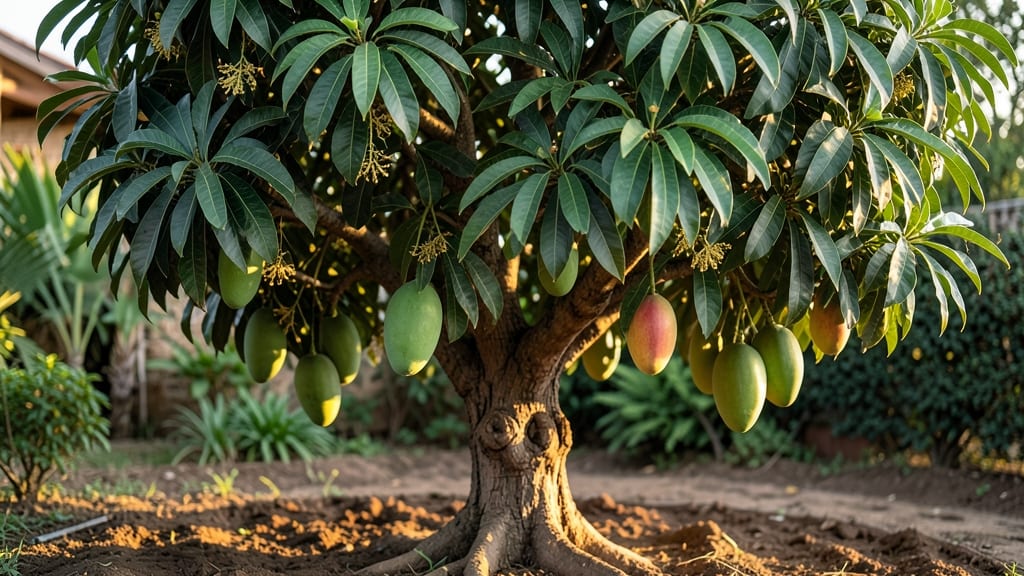
Your mango tree’s summer pruning isn’t about drastic cuts—it’s about light trimming that keeps it blooming year-round while surviving brutal heat. 🌿 I’ve watched my tree go from stressed and sparse to lush and loaded just by adjusting when and how I prune, and the secret lies in timing and technique.
The key is working with the tree, not against it: remove only dead or crossing branches, thin out crowded growth, and never cut more than 25% of the canopy at once. Over-pruning in summer stresses the tree, while strategic trimming encourages new growth that’ll bear fruit faster.
My tree now produces two harvests a year instead of one. You’ll also spot the signs of summer stress—drooping leaves, scorch marks, or fruit dropping early—and know exactly how to fix it.
The right cuts now mean bigger harvests next season and a tree that thrives even when temps hit 95°F. Here’s how to do it without mistakes.
Start by scanning your tree for sunburnt branches or those growing inward—they’re the first to go. Use sharp, sterilized pruners to make clean cuts just above a leaf node, and avoid cutting into old wood. My biggest mistake? Pruning too late in summer, which delayed blooming.
Aim for early to mid-summer when the tree is actively growing but before the heat peaks. Water deeply before and after pruning to help the tree recover, and mulch around the base to keep roots cool.
In subtropical zones, you might prune twice—once in early summer and again in late summer—but tropical climates can handle one session. The goal is to balance shade and sunlight so every branch gets airflow and light.
Watch for fruit flies and aphids after pruning—they love fresh cuts. A neem oil spray keeps them away without harming the tree. You’ll notice new shoots forming within 4-6 weeks, and by next summer, those trims will pay off with heavier fruit loads.
The tree stays healthier, produces more, and handles heat better—all from a few strategic cuts.
This method works whether you’re in Florida’s humidity or California’s dry heat, though tropical trees need slightly more frequent trimming. The same principles apply to dwarf varieties too—just scale the cuts.
By summer’s end, your tree will be stronger, fuller, and ready for another round of blooms. Let’s get those pruners out!
📚 In This Guide
- What you need
- Instructions
- Tips and common mistakes
- Wrapping up and next steps
What you need
- ● Pruning shears: Bypass shears (8–10 inches) for small branches.
- ● Pruning saw: Curved-tooth saw (for thicker branches, 2+ inches in diameter).
- ● Ladder: Sturdy, extendable ladder (12–16 feet, depending on tree height).
- ● Gloves: Heavy-duty gardening gloves (to protect from thorns and sap).
- ● Disinfectant: 70% isopropyl alcohol or bleach solution (1:9 ratio) to sterilize tools.
- ○ Pruning sealant (optional): Tree wound sealant (for large cuts, ½ cup).
- ○ Sharpie or marker (optional): To label branches if needed.
- ● Weather check: Prune on a dry, overcast day (avoid midday heat).
- ● First-aid kit: Bandages and antiseptic wipes (just in case!).
- ● Water & snacks: Hydration breaks are a must—summer pruning can be intense!
- ● Tree health assessment: Inspect for pests/diseases before pruning.
Step-by-Step guide to summer pruning for your mango tree
Light summer trimming keeps your mango tree healthy and encourages continuous blooming—here's how to do it right.
☀️ Step 1: Identify the Right Branches to Trim
Focus on removing only water sprouts—those fast-growing, vertical shoots that emerge from the trunk or main branches. These compete with fruit production and weaken the tree's structure. Look for shoots thinner than a pencil that grow straight up without leaves along their length.
Also target crossing branches that rub against each other, creating wounds where disease can enter. You’ll spot these easily when sunlight reveals where limbs intersect at awkward angles. Never remove more than 25% of the tree’s foliage in one session—this prevents stress that could reduce flowering.
✂️ Step 2: Use the Right Tools and Technique
Grab your sterilized pruning shears (wipe blades with rubbing alcohol first) and make cuts just ½ inch above a leaf node or outward-facing bud. This ensures new growth emerges in the right direction. Avoid leaving stubs—clean cuts heal faster and reduce disease risk.
For thicker branches over ½ inch, use loppers instead. Cut at a 45-degree angle about ¼ inch outside the branch collar (that swollen area where the branch meets the trunk). Never tear branches—this damages the tree’s vascular system and invites pests.
🌿 Step 3: Prune at the Optimal Time
Wait until early morning when temperatures are below 85°F—this reduces stress on the tree. Work on a partly cloudy day to avoid sunburn on exposed cuts. Trim after a light rain if possible; the tree’s natural moisture helps it recover faster.
Limit yourself to one pruning session every 6-8 weeks during summer. Over-trimming triggers excessive flowering, which exhausts the tree and reduces fruit quality. Watch for new growth within 2-3 weeks—this confirms you’ve stimulated the right response.
💧 Step 4: Post-Pruning Care for Recovery
Water the tree deeply within 24 hours of pruning to replenish moisture lost through cuts. Aim for 1-2 gallons spread evenly around the root zone. Avoid wetting the leaves to prevent fungal infections on fresh wounds.
Apply a balanced 10-10-10 fertilizer (½ cup per 1 inch of trunk diameter) 2 weeks after trimming. This supports new growth without overwhelming the tree. Monitor for yellowing leaves—this could signal over-fertilization or stress from aggressive pruning.
Tips & tricks for perfect summer mango tree pruning
These targeted strategies will help you maintain your mango tree's health while maximizing fruit production during the summer months.
Visual Identification: When identifying water sprouts in Step 1, look for these key characteristics: they'll appear as thin, vertical shoots with smooth bark and no leaves along their lower half. These aggressive growers can sap energy from your tree's fruit production. I've found that using a small mirror on a sunny day helps reveal hidden crossing branches that might be creating wounds—just angle the mirror to catch light through the canopy.
The Cutting Angle Secret: In Step 2, when making angled cuts with loppers, visualize cutting the branch like a slice of pizza—about ¼ inch outside the branch collar. This creates a natural shield that protects the wound from water entry. I've seen many gardeners accidentally cut into the collar, which can lead to fungal infections. Remember, clean cuts heal faster and stronger.
Timing Strategy: The 6-8 week pruning window in Step 3 gives your tree just enough recovery time between sessions. I schedule my pruning days right after a light rain when the soil is moist—this helps the tree recover more quickly. If you notice new growth appearing within 2-3 weeks, you've hit the right balance between stimulation and stress. This visual confirmation is your best indicator of successful pruning.
Fertilizer Application: When applying the 10-10-10 fertilizer in Step 4, use a measuring cup to ensure you're using exactly ½ cup per inch of trunk diameter. I've found that over-fertilizing can actually cause more harm than good, leading to yellowing leaves and reduced flowering. Spread the fertilizer in a circular pattern around the base, then water thoroughly to help it reach the roots.
Pro Tips for Mango Tree In Summer
- These targeted strategies will help you maintain your mango tree's health while maximizing fruit production during the summer months.
- Visual Identification: When identifying water sprouts in Step 1, look for these key characteristics: they'll appear as thin, vertical shoots with smooth bark and no leaves along their lower half.
- The Cutting Angle Secret: In Step 2, when making angled cuts with loppers, visualize cutting the branch like a slice of pizza—about ¼ inch outside the branch collar.
Frequently asked questions
Got questions about keeping your mango tree in summer thriving with light pruning? Here are some common concerns—and quick answers to keep your tree happy and productive:
When is the best time to prune a mango tree in summer?
Light pruning can happen anytime in summer, but avoid heavy cuts during peak heat (June–August). Focus on removing dead branches, crossing limbs, or overgrown suckers in early morning or late afternoon to reduce stress. Pro tip: Prune after fruit harvest (if applicable) to redirect energy toward new growth!
How much should I trim a mango tree in summer?
Stick to light trimming—no more than 20–25% of the tree’s foliage. Target:
- Dead/diseased branches (cut back to healthy wood)
- Water sprouts (shoot-like growths from the trunk)
- Crossing or rubbing branches (rubbing can create wounds)
What if my mango tree isn’t blooming after summer pruning?
Mango trees need consistent care to bloom. If pruning was too aggressive, give it time (1–2 months) to recover. Check for:
- Sunlight: 6+ hours daily
- Water: Deep watering 2–3x/week (adjust for heat)
- Fertilizer: Use a balanced citrus/mango fertilizer (e.g., 6-6-6) in early summer
Can I prune a mango tree during a heatwave?
Pruning in extreme heat (above 95°F/35°C) can shock the tree. Wait for cooler days (early morning/evening) or prune during mild summer periods. If you must trim, do it gradually over 2–3 sessions. Pro tip: Water the tree before and after pruning to help it recover faster.
What if my mango tree has no leaves after summer pruning?
Don’t panic! Light pruning shouldn’t cause total defoliation. If leaves are sparse:
- Check for pests (aphids, mites) or disease (fungal spots). Treat with neem oil if needed.
- Ensure proper drainage—root rot from overwatering can stress the tree.
- Apply a foliar spray (like seaweed extract) to boost recovery.
Can I use summer-pruned branches for propagation?
Yes! Healthy, disease-free branches (about pencil-thick) can be rooted in water or soil:
- Cut at a 45° angle, remove lower leaves, and place in water.
- Change water every 3–4 days until roots form (4–8 weeks).
- Transplant once roots are 2+ inches long.
Wrapping up and next steps
Summer is the perfect time to give your mango tree a little TLC with light pruning—it’s all about encouraging healthy growth and future blooms while keeping your tree thriving. By following the right techniques, you’ll set the stage for a bountiful harvest and a lush, vibrant tree year-round. 🌿
Now that you’re armed with the knowledge, roll up your sleeves and get pruning! Start small, observe your tree’s response, and adjust as needed. Before you know it, you’ll be enjoying sweet mangoes and a stunning centerpiece in your garden. Happy trimming! 🍈✨